
Vandaag of morgen in huis

Kwaliteit gegarandeerd

Welkomstaanbiedingen ontgrendelen: GRATIS bezorging | Tot 80% korting | Gratis 30 dagen JoyPlus-proefperiode
Download de app
As a Product Recommendation Officer at Joybuy, I see every day how challenging it can be to find the right hiking boots. The market is flooded with marketing jargon that often creates more confusion than clarity. The wrong choice not only leads to discomfort but can also put a serious damper on your hiking enjoyment. Before you consider buying the Salomon X Ultra 4 Mid GTX, it's important to recognise a few common pitfalls.
Many hikers fall for the same traps:
An informed choice prevents disappointment. Let's break down the specifications that truly matter.
To see through the marketing hype, it's helpful to focus on three concrete technical aspects. These determine whether a boot lives up to its promises on the trails.
A boot is only truly waterproof if the GORE-TEX membrane is correctly integrated. This means it's not just the material itself that repels water, but that the entire boot is built as a sealed system. Pay attention to the construction around the tongue and seams. A 'bootie' construction, where the membrane is incorporated into the boot like a sock, offers the most reliable protection against water. This ensures your feet stay dry, even during a long trek through wet grass or an unexpected downpour.
For hikes on uneven terrain, mid-cut hiking boots for men are often a wise choice. The higher cut offers protection from impacts and debris. However, the actual stability in Salomon hiking boots with ankle support comes from the chassis. This is a frame placed between the midsole and outsole. Salomon's ADV-C Chassis, for example, is designed to stabilise the ankle without restricting freedom of movement in the forefoot. This provides the support of a heavier mountaineering boot in a much more flexible and lighter package.
Look beyond the term 'all-terrain'. The effectiveness of an outsole depends on two factors: the tread pattern (the 'lugs') and the rubber compound. A good tread has deep, widely spaced lugs that grip into mud and loose soil, as well as flat surfaces for contact on rock. Salomon's Contagrip MA outsole is an example of a compound engineered for grip on both wet and dry surfaces. This makes the boot a reliable partner for lightweight trekking boots that still need to provide maximum grip.
Based on these objective criteria, we have selected a few products that suit different hiker profiles.
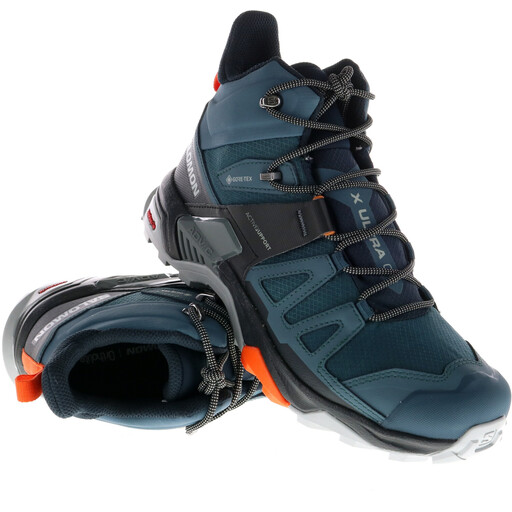
Why This Fits Their Persona: For the hiker who regularly tackles challenging trails in the Alps, Ardennes, or Scottish Highlands. This individual needs a boot that performs in variable conditions and on technical terrain.
The GORE-TEX 'bootie' construction provides reliable waterproofing. The ADV-C Chassis delivers ankle support without the clunky feel of a heavy mountaineering boot, and the Contagrip MA sole is specifically designed for grip on wet and slippery terrain.
Offers an excellent balance between lightweight agility and robust support. The fit is inspired by trail running shoes for out-of-the-box comfort.
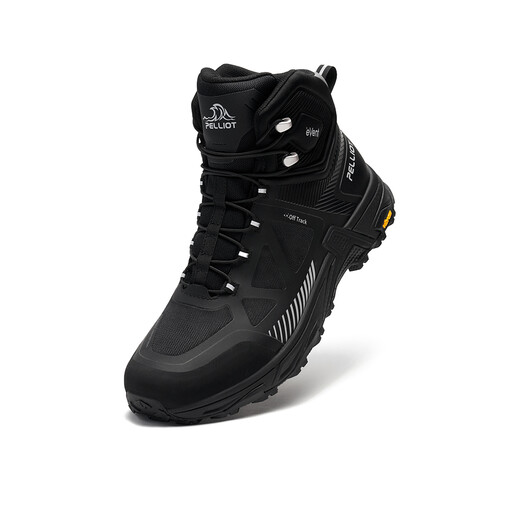
Why This Fits Their Persona: Suitable for the hiker looking for a robust boot for various activities, from camping to trekking, who values protection and useful features without paying a premium.
This boot focuses on 'hardcore protection' with an abrasion-resistant upper and a protective toe cap. The waterproof membrane and aggressively lugged sole are designed for functionality on unpredictable terrain, thus avoiding the 'all-terrain' myth.
According to the manufacturer, the boot features a Fitgo Quick-Lace System for fast adjustments. Its robust construction offers ample protection for the foot.
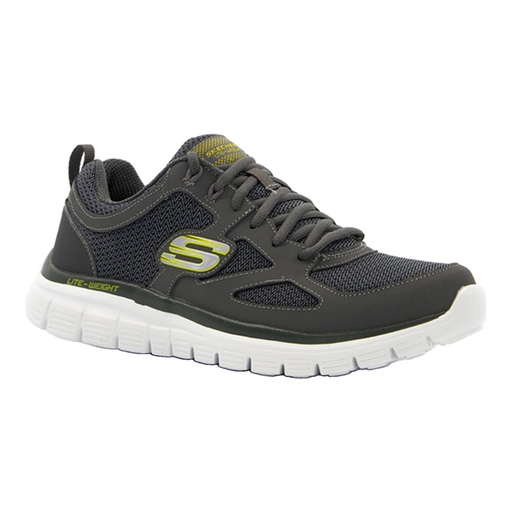
Why This Fits Their Persona: Ideal for those who primarily hike in national parks, coastal dunes, or on other well-maintained trails. Here, comfort and low weight are more important than technical ankle support or extreme waterproofing.
This shoe doesn't pretend to be a technical mountaineering boot. It avoids the pitfall of 'over-engineering' by focusing on what's needed for light hikes: comfort and ventilation. It's an honest choice for its intended use.
Very lightweight and equipped with a comfortable Memory Foam insole. The mesh panels provide good ventilation on warmer days.
We have compiled a complete, up-to-date list of products that meet these strict selection criteria.
How long do Salomon X Ultra 4 Mid GTX boots last? The lifespan heavily depends on the intensity of use, terrain, and maintenance. With regular use on challenging trails, you can expect a lifespan of 800 to 1,200 kilometres (approx. 500-750 miles) before the cushioning and grip noticeably degrade. Proper cleaning and drying after each trip will significantly extend their life.
Are the Salomon X Ultra 4 truly fully waterproof for hiking in the rain? Yes, the boot is designed to be waterproof thanks to its GORE-TEX membrane. However, for complete protection during a downpour, it's advisable to also wear waterproof trousers or gaiters. Water can run down your legs and into the boot from the top, bypassing the boot's waterproof construction.
Should I buy a size up for the X Ultra 4 Mid GTX? Salomon boots generally have a somewhat narrower fit. Many hikers opt for a half to a full size larger than their usual shoe size, especially since feet tend to swell slightly during long hikes. It is recommended to try them on with the hiking socks you normally wear.
