
Vandaag of morgen in huis

Kwaliteit gegarandeerd

Welkomstaanbiedingen ontgrendelen: GRATIS bezorging | Tot 80% korting | Gratis 30 dagen JoyPlus-proefperiode
Download de app
Salomon women’s shoes are designed for different surfaces and activities. A lightweight road-running shoe has different requirements from a waterproof walking shoe for mud, snow or rocky trails. Yet people often choose a model based mainly on its appearance, brand name or a technical feature.
That can lead to the wrong purchase. A shoe with a waterproof membrane, for example, may feel too warm for summer runs. A trail outsole with deep lugs may be less comfortable on tarmac. And a shoe that looks like a good fit on paper may not feel right if the size or toe space is wrong.
GTX or another waterproof construction helps protect you from rain, wet grass and mud. That doesn’t automatically make the shoe ideal for intensive running sessions or warm days. Compared with an open mesh upper, a membrane can limit ventilation.
Choose Salomon GTX shoes for women when protection from rain matters more than maximum ventilation. For dry training runs, a breathable model without a waterproof membrane may make more sense.
Salomon Contagrip shoes are available with different outsole patterns. A deep tread is useful on muddy or loose trails, but it’s not always comfortable on paved cycle paths. So consider the combination of rubber compound, lugs and intended terrain.
An outsole designed for trails isn’t automatically a good choice for everyday city use. Check whether the product description mentions grip on wet, rocky, loose or mixed terrain.
When choosing women’s trail-running shoes, foot length isn’t the only thing to consider. Check the width of the forefoot, the space around your toes and the volume around your instep. Your feet may swell a little during a long walk or descent, making a shoe that’s too tight uncomfortable.
Compare the size chart with measurements of both feet, and wear the socks you’ll use when exercising. Also check which sizes are available; several products in the range are linked to a specific size.
Waterproof outdoor shoes for women are practical for wet walks. According to the product information, the Salomon X Ultra 360 LTR GTX W has a GORE-TEX membrane, a leather and synthetic upper, and reinforcement around the toe and heel. It’s suited to walking, trekking and stony terrain.
A waterproof shoe won’t stay dry indefinitely if submerged. The tongue, seams, fastening and opening around the ankle are all worth bearing in mind. Let your shoes dry naturally after use and follow the product’s care instructions.
For trail running, grip and stability matter more than having a completely flat outsole. According to the product information, the Salomon Speedcross 6 GTX W has an aggressive Contagrip tread for soft, muddy and technical trails. Its SensiFit construction and Quicklace fastening are designed to provide a close fit.
For walking on varied terrain, a model with a more versatile outsole may be a better fit. According to the product description, the X Ultra range uses All Terrain Contagrip. For winter conditions, the X Ultra 4 Mid Winter TS W also features Winter Contagrip and Thinsulate insulation.
Salomon running shoes for women should suit the way you run. According to the product information, the Aero Blaze W has Energy Foam in the midsole and is designed for training runs. This makes it a good option for regular running sessions on relatively even terrain.
Trail running may call for a different balance. The Alphaglide W has balanced cushioning, anti-debris mesh and a trail-focused rubber outsole. According to the product information, the Sense Ride 5 W is designed for both trails and city routes. So look beyond the amount of cushioning and consider the type of terrain and how long you’ll be active.
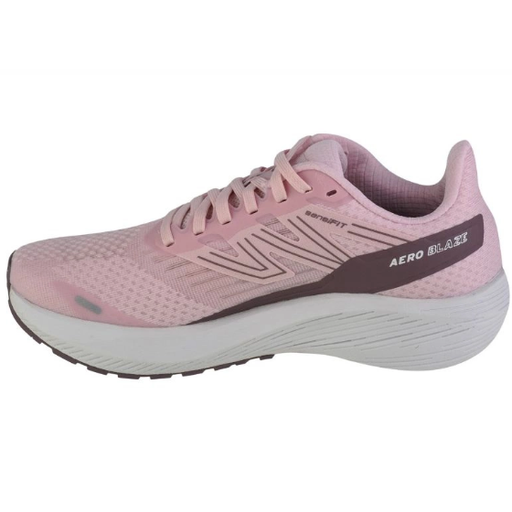
Why it suits this profile: A low-cut shoe for training runs, with an adjustable lace fastening and Energy Foam cushioning. A good choice if you’re looking for one pair for regular runs on paved or even terrain.
The product description clearly identifies it as a training shoe. That makes it a more straightforward choice than a general-purpose model promoted for every type of terrain.
Textile and synthetic upper, Energy Foam midsole and Contagrip rubber outsole.
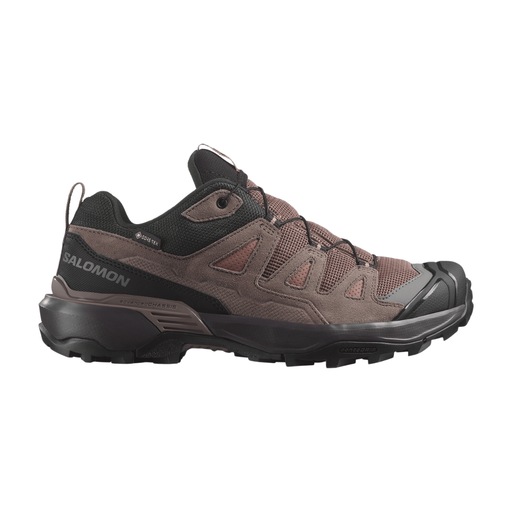
Why it suits this profile: A walking and trekking shoe with a leather upper, GORE-TEX membrane and All Terrain Contagrip outsole for varied outdoor terrain.
The intended use, membrane, materials and outsole type are described separately. This helps you avoid mistaking water protection for an all-purpose running shoe.
GORE-TEX waterproof membrane, leather upper, EVA midsole, and reinforced toe and heel.
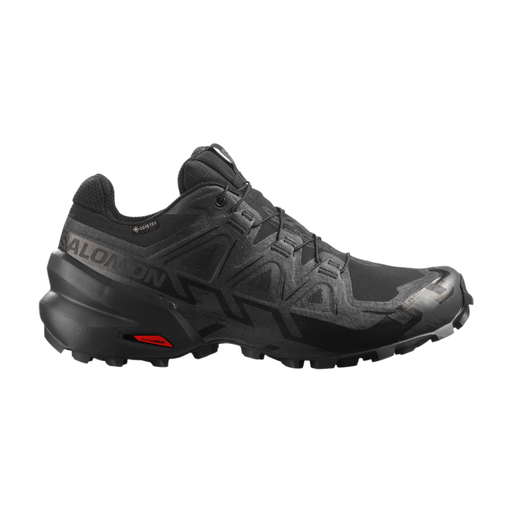
Why it suits this profile: Designed for trail runners who regularly tackle muddy, loose or technical trails and want water protection and a close fit.
The aggressive outsole pattern is intended for soft and technical terrain. That makes it clear this isn’t a neutral road shoe.
GORE-TEX membrane, aggressive Contagrip outsole, SensiFit technology and Quicklace fastening.
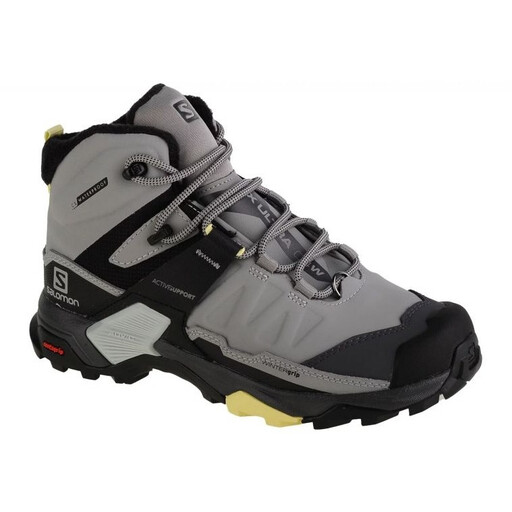
Why it suits this profile: Designed for cold-weather walks and winter hikes, where insulation, water protection and grip on snow or slippery terrain matter.
The product information specifically mentions winter use, insulation and Winter Contagrip. So you won’t need to rely on a standard trail-running shoe as a winter model.
Thinsulate insulation, waterproof construction, ADV-C Chassis and Winter Contagrip outsole.
We’ve put together a complete, up-to-date list of products that meet these strict selection criteria and current European safety requirements.
The lifespan of Salomon women’s shoes depends on how you use them, the terrain, your body weight and how well you care for them. Mud and salt residue can damage the upper and outsole. Brush off dirt gently after a walk, and follow the care instructions on the label for waterproof models.
Don’t automatically put your shoes in the washing machine. The product information for several models recommends cleaning by hand, drying naturally and avoiding direct heat. Before buying, also check the returns policy, available sizes and statutory guarantee. The product information for these models states that they come with a statutory guarantee of at least two years under EU consumer rules.
They can be, especially for commuting in rainy weather or going for walks. Bear in mind that a waterproof model may feel less breathable than a shoe with open mesh. For everyday use, fit, weight and outsole comfort are just as important as the membrane.
It depends on the terrain. According to the product information, the Speedcross 6 GTX W is designed for muddy and technical trails. The Alphaglide W and Sense Ride 5 W are good options if you’re looking for a more versatile model for mixed trails and longer routes. Always check the available sizes and the full product description.
There’s no set mileage that applies to everyone. Look out for worn-down lugs, seams coming loose, a misshapen midsole or reduced support around your foot. If grip or water protection has noticeably deteriorated, replacing the shoes is a better option than simply using a new care product.
