
Vandaag of morgen in huis

Kwaliteit gegarandeerd

Welkomstaanbiedingen ontgrendelen: GRATIS bezorging | Tot 80% korting | Gratis 30 dagen JoyPlus-proefperiode
Download de app
Finding the right Salomon running shoes for women can be a challenge. The market is saturated with models that all promise comfort, grip, and durability. But how do you know which shoe truly fits your running style and terrain? Many runners make choices based on marketing hype or incomplete information, leading to discomfort, injuries, or simply a poor purchase.
As a Joybuy Product Recommendation Officer, I'm here to help you cut through the noise. We'll focus on the facts and the specifications that truly matter. Let's avoid the most common pitfalls and find the shoe that will genuinely enhance your running experience.
Before we look at specific models, it's crucial to recognise two common missteps that can cost you money and running comfort.
To make an informed decision, we'll focus on two crucial specifications. These determine 90% of whether a shoe is right for you.
The outsole is the primary point of contact with the ground. Salomon uses its Salomon Contagrip technology for this, but there are several variations.
The midsole determines the shoe's cushioning and responsiveness. Salomon uses various foams, such as Energy Foam.
Below is a selection of Salomon running shoes that match specific profiles, based on their objective specifications.
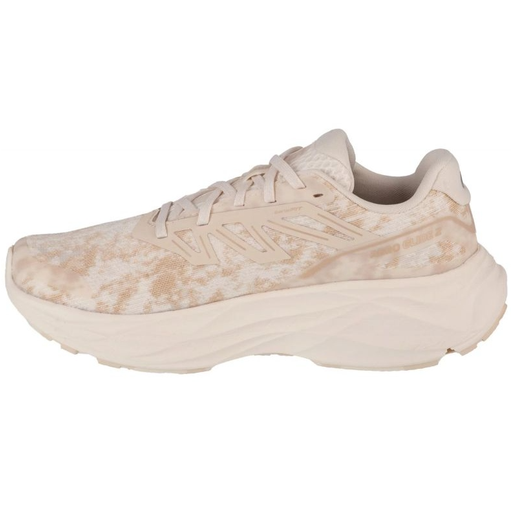
Why This Fits Their Persona: This runner primarily sticks to asphalt and sidewalks, seeking maximum cushioning to reduce joint impact during daily training or long weekend runs.
This shoe is specifically designed for hard surfaces, avoiding the 'one-shoe-fits-all' pitfall. Its focus is purely on road comfort and efficiency.
The thick rubber outsole and high-cushion midsole provide excellent shock absorption. Its lightweight and breathable upper ensures comfort during long runs.
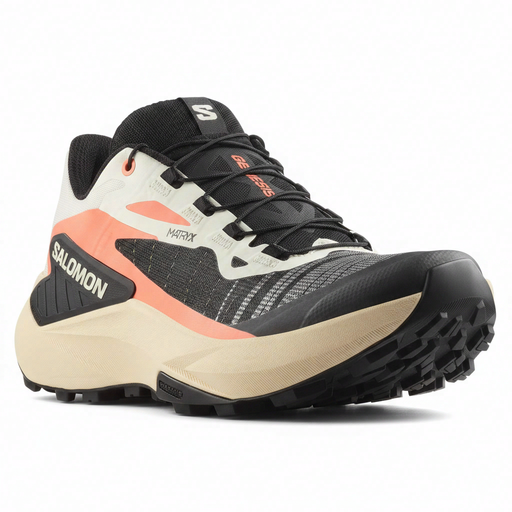
Why This Fits Their Persona: This runner seeks challenges on rocky and technical trails. For her, grip, durability, and foot protection are more important than maximum cushioning. She trains regularly and needs a reliable shoe for all weather conditions.
The outsole with deep 4.5 mm lugs is specifically designed for grip on technical terrain, thus avoiding the pitfall of an unsuitable sole. The balanced cushioning prevents instability.
The Matryx upper is highly durable and provides protection against rocks and branches. The outsole offers reliable grip on both rocky and mixed surfaces.
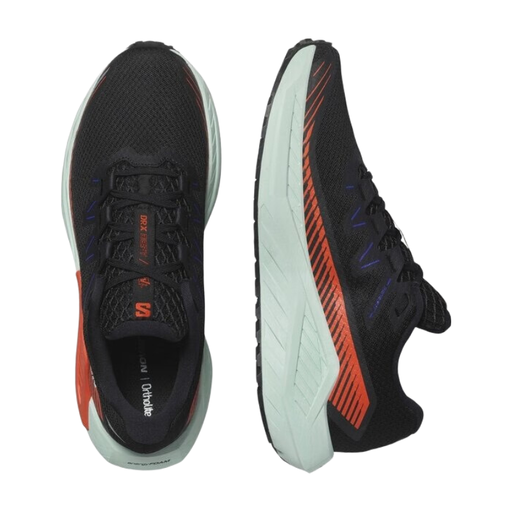
Why This Fits Their Persona: This runner enjoys switching between paved park paths, gravel roads, and light forest trails. She needs a shoe that performs on all these surfaces without sacrificing comfort or grip.
This model is the perfect solution to the 'one-shoe-fits-all' myth. It's a purpose-built hybrid designed for mixed terrain, rather than a compromise that doesn't truly excel anywhere.
The All Terrain Contagrip outsole provides reliable grip on both wet and dry surfaces. The EnergyFOAM midsole delivers responsive cushioning that is comfortable on harder sections.
We have compiled a complete, up-to-date list of products that fully meet these strict selection criteria.
The lifespan of a running shoe depends on the surface, your running style, weight, and frequency of use. Generally, it's recommended to replace running shoes after 500 to 800 kilometers (300 to 500 miles). Look for signs of wear, such as a compressed midsole, a worn-out outsole, or reduced cushioning.
The primary difference lies in the outsole and the upper. Salomon trail running shoes for women have an aggressive outsole with deep lugs for grip on unpaved terrain and a sturdier, often water-repellent upper for protection. Women's road running shoes have a flatter, more durable outsole for efficiency on pavement and a lighter, more breathable upper.
For beginners who primarily run on hard surfaces like asphalt, a shoe with good cushioning is often a wise choice. It helps reduce the impact on your joints as your body acclimates to the stress of running. A model like the Salomon Aero Blaze or Aero Glide offers a good balance of cushioning and support for novice runners.
