
Vandaag of morgen in huis

Kwaliteit gegarandeerd

Welkomstaanbiedingen ontgrendelen: GRATIS bezorging | Tot 80% korting | Gratis 30 dagen JoyPlus-proefperiode
Download de app
Written by: Joybuy Product Recommendation Officer
Whether you're exploring forest trails, planning a coastal trail run, or taking a brisk hike through varied terrain, the right footwear is essential. The selection is vast, and it can be challenging to find the perfect match amidst all the technical specifications. This guide is designed to help. We highlight several popular models and provide practical tips, so you can make an informed choice for your next pair of Salomon women's outdoor shoes.
Before you buy Salomon women's shoes, it's wise to consider a few key features. Your activity and the terrain will largely determine which shoe is the best fit for you.
Surfaces can be diverse: from muddy forest paths and loose sand to wet cobblestones. Grip is therefore crucial. Salomon uses its Salomon Contagrip technology in their outsoles for this purpose. These soles are engineered to provide reliable traction on both wet and dry surfaces. Look for the 'All-Terrain Contagrip' specification, which indicates the sole is developed for a wide range of surfaces, making it highly suitable for changing landscapes.
An unexpected downpour is always a possibility. Waterproof Salomon shoes for women are therefore a popular choice. Many models are equipped with a Salomon Gore-Tex for women membrane. This material keeps water out while allowing perspiration to escape, keeping your feet dry and comfortable. For intense activities in warm weather, such as summer trail running, a shoe without Gore-Tex may offer more breathability. The choice depends on when and where you will use the shoes most.
There is a clear distinction between Salomon women's trail running shoes and Salomon women's hiking shoes. Trail running shoes are generally lighter, more flexible, and focused on speed and agility. Hiking shoes, especially higher-cut models, offer more ankle support and are often stiffer for stability on uneven terrain during longer treks with a pack. Therefore, carefully consider your primary activity.
Based on product specifications and their intended use, we have selected a few models for you.
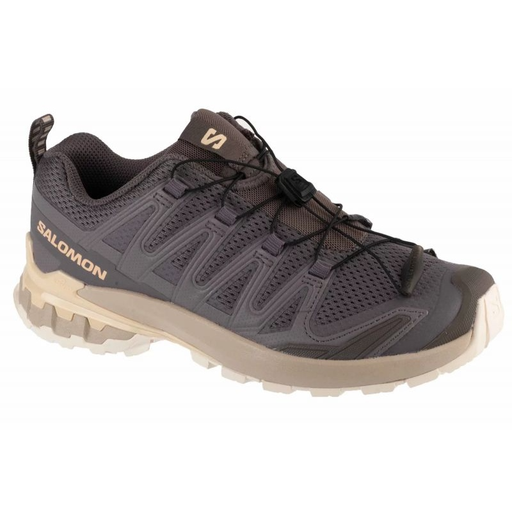
Why this model stands out: The XA Pro 3D v9 is a versatile shoe known for its stability and durability. It's a model that blurs the line between a sturdy hiking shoe and an agile trail runner, making it suitable for challenging and varied terrain.
Product features:
Who is this shoe for? For the active woman seeking a robust and stable shoe for trail running or fast hikes on technically challenging paths.
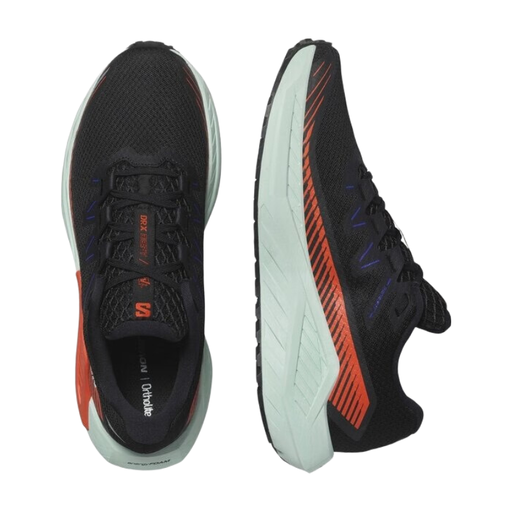
Why this model stands out: This model focuses on comfort and cushioning, specifically for running on gravel and mixed terrain. The EnergyFOAM midsole is designed to effectively absorb shock and return energy with every step.
Product features:
Who is this shoe for? Ideal for women who run long distances on gravel paths and other mixed terrain and who value superior cushioning and comfort.

Why this model stands out: The Elixir Active GTX combines the protection of a hiking shoe with the comfort of a lighter shoe. The presence of a GORE-TEX membrane makes this a reliable choice for hikes in all weather conditions.
Product features:
Who is this shoe for? For the hiker seeking a lightweight, comfortable, and waterproof shoe for day trips and longer treks on varied terrain.
The right shoe is highly personal. Sometimes, a specific foot shape, such as flat feet, requires a different type of support. If you can't find what you're looking for in the recommendations above, it's worth exploring further.
Are you looking for shoes with specific support? Check out our selection of training shoes for women with flat feet.
No, not all Salomon shoes are waterproof. Models with 'GTX' or 'Gore-Tex' in their name are equipped with a waterproof membrane. Shoes without this designation are generally more breathable and therefore better suited for dry, warm conditions.
Salomon shoes generally fit true to size or slightly smaller. It is often advisable to consult the manufacturer's size chart and measure your foot. Keep in mind that your feet may swell slightly during hiking or running. A little extra room (about half a centimeter) at the toes is therefore often comfortable.
The main difference lies in flexibility, weight, and support. Salomon women's trail running shoes are lighter and more flexible, designed for speed and freedom of movement. Salomon women's hiking shoes are often a bit heavier and stiffer, with more focus on stability and ankle support, especially when carrying a backpack.
