
Vandaag of morgen in huis

Kwaliteit gegarandeerd

Welkomstaanbiedingen ontgrendelen: GRATIS bezorging | Tot 80% korting | Gratis 30 dagen JoyPlus-proefperiode
Download de app
Anyone searching for Salomon walking and running shoes will soon come across terms such as GORE-TEX, Contagrip, cushioning and stability. These terms only mean something when they match how you plan to use the shoes. A shoe for a woodland walk needs different features from a model for long trail runs or everyday running on tarmac.
The most important question is therefore not which model looks the most technical, but: where, how often and in what conditions will you use the shoes?
Salomon walking shoes with GORE-TEX are designed to keep moisture from outside at bay, according to the manufacturer’s product description. This is useful in rain, wet grass and mud. However, the fit remains important. Water can enter through the collar, while perspiration may escape less quickly than with an open mesh model.
For dry summer days or intensive trail running, a breathable shoe without a membrane may feel more comfortable. So don’t just look for the waterproof walking shoes label; also consider ventilation, socks and the type of terrain.
A marketing phrase such as “grip on every terrain” is no substitute for checking the sole pattern. A rugged sole with deep lugs is suitable for mud and loose ground, but may feel less comfortable over long stretches of tarmac. A flatter profile often rolls more smoothly on the road, but provides less traction on wet woodland ground.
On Salomon models, Contagrip refers to the material and profile of the outsole. The exact design varies from model to model. Check whether the shoe is intended for mixed terrain, technical trails, tarmac or wintry ground.
A shoe can be technically suitable and still feel uncomfortable. Too little room around the toes can cause pressure on descents. A heel that is too loose can cause rubbing. When choosing women’s walking shoes, also pay attention to the shape of the last, and don’t automatically choose a larger size if you have wider feet. A wide walking shoe is shaped differently from a standard model.
Measure both feet at the end of the day and compare the measurements with the brand’s size chart. Allow for walking socks and check that your heel stays firmly in place without constricting the forefoot.
For walks in the Netherlands, a water-repellent outer layer and a GORE-TEX membrane are useful in changeable weather. According to the product information, the Salomon X Ultra 4 Mid GTX combines a GORE-TEX membrane with a mid-cut collar, EnergyCell EVA cushioning and a Contagrip MA outsole.
A mid-cut shoe provides more coverage around the ankle than a low-cut trail running shoe. This does not mean it will prevent a sprain. However, the higher collar can provide a more enclosed feel and greater protection against branches, stones and mud.
For paved paths, parks and light woodland routes, a versatile tread is often sufficient. For muddy walking trails, hilly terrain or rocky routes, outsole rubber, lugs and stability are more important than weight alone.
According to its product description, the Salomon XA Pro 3D v9 GTX is designed for trail running and hiking. The model features GORE-TEX, a 3D Advanced Chassis, Quicklace and a Contagrip outsole. These features suit users who want to make quick adjustments and regularly run on uneven terrain.
For long distances, the balance between cushioning, stability and fit is important. A softer midsole may feel comfortable, but not everyone wants a lot of movement beneath the foot. Running shoes for everyday use are generally lighter and more flexible than walking shoes.
According to the product information, the adidas Ultrarun 5 uses a Cloudfoam insole in certain versions. Other variants feature Bounce 2.0 cushioning and an Adiwear rubber outsole. The adidas Supernova Stride 2 combines Dreamstrike+ with EVA in the midsole. These models are primarily intended for running and everyday use on predominantly paved surfaces, rather than extended walks through deep mud.
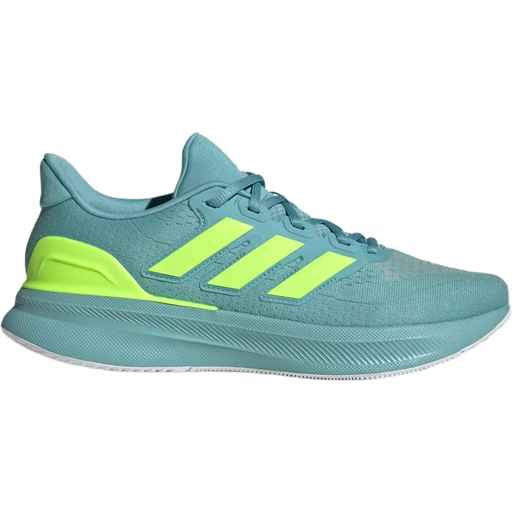
Why it suits this profile: An accessible choice for beginner runners, city walks and everyday use. The mesh upper and lightweight construction suit an active daily routine.
The intended use is clearly defined: this is a running shoe for everyday use, not a waterproof walking shoe for demanding terrain.
Textile mesh, lightweight construction, Cloudfoam insole and rubber outsole.
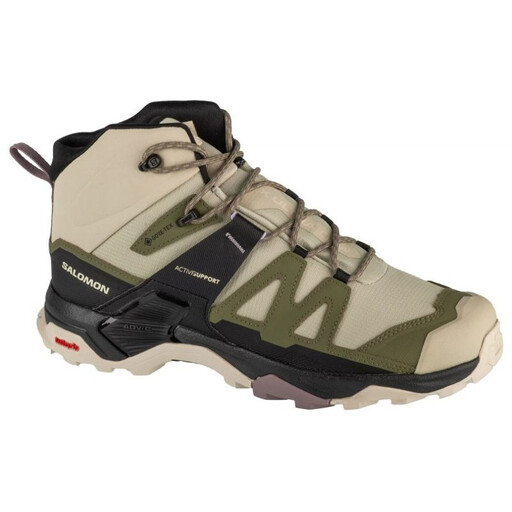
Why it suits this profile: Designed for walkers and hikers who often use unpaved, uneven paths and value protection in wet weather.
The specifications make the intended use clear: a mid-cut walking shoe with GORE-TEX and a trail tread, rather than a lightweight street shoe.
GORE-TEX membrane, mid-cut collar, EnergyCell cushioning and Contagrip MA outsole.
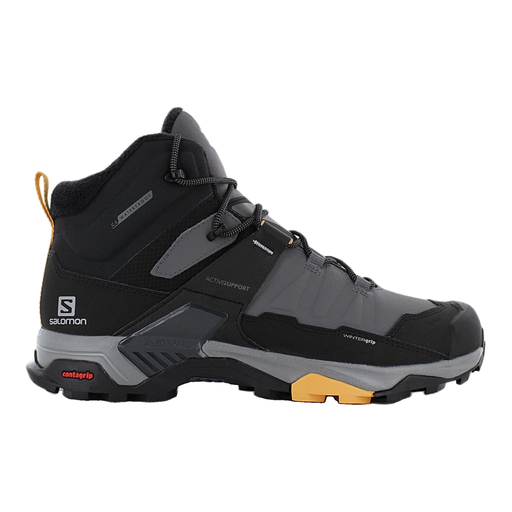
Why it suits this profile: A practical option for winter walking shoes in low temperatures, on wet paths, in snow and for everyday outdoor use.
The insulation, waterproof construction and Winter Contagrip outsole make its seasonal purpose clearer than that of a standard trail or walking shoe.
Thinsulate insulation, waterproof protection, ADV-C Chassis and Winter Contagrip.
For long trail runs, the Salomon Ultra Glide 2 W may be worth considering thanks to its Energy Surge cushioning, breathable mesh upper, Contagrip outsole and Quicklace. According to the product information, the shoe is intended for long trail runs and does not have a GORE-TEX membrane. This makes it less suitable for consistently wet routes, but potentially a better choice when ventilation and low weight are priorities.
According to its product description, the Salomon Ultra Flow GTX combines a higher midsole, soft cushioning, GORE-TEX and an outsole for mixed terrain. This suits runners who alternate between tarmac and unpaved paths. If you run exclusively on tarmac, you can also compare adidas running shoes such as the Ultrarun 5 or Supernova Stride 2.
If you have wider feet, take a look at the Salomon X Ultra 4 Mid Wide GTX. The wide version is designed to provide more room, but always check the sizing and the shape of the toe box. For women, there is also the Salomon X Ultra 360 LTR GTX W, with a leather upper, GORE-TEX and an All Terrain Contagrip outsole.
We’ve put together a complete, up-to-date list of products that fully meet these strict selection criteria and the applicable European safety regulations.
That depends on the model. Lightweight low-cut models may be suitable for commuting and city walks. Mid-cut models with a more rugged tread are heavier and offer greater protection, but may feel less smooth on tarmac. Check the tread pattern, weight and whether the shoe has a membrane before making your choice.
Lifespan depends on the surface, body weight, running style, care and frequency of use. Don’t just consider how old the shoes are; pay particular attention to a worn-smooth tread, compressed cushioning, coming-away seams or an unevenly worn sole. Allow wet shoes to air-dry and don’t place them on a radiator.
Not always. According to the product specifications, GORE-TEX can provide protection against moisture, but a high collar, secure fastening and regular care are still necessary. In warm conditions or during intense exercise, a breathable shoe without a membrane may feel more comfortable. Choose based on the climate, route and pace.
