
Vandaag of morgen in huis

Kwaliteit gegarandeerd

Welkomstaanbiedingen ontgrendelen: GRATIS bezorging | Tot 80% korting | Gratis 30 dagen JoyPlus-proefperiode
Download de app
When looking for Salomon walking boots and trail running shoes, you will soon come across terms such as GORE-TEX, Contagrip, technical trails and extra stability. These features can be useful, but only when they suit your terrain and intended use. For example, a heavy walking boot is not automatically suitable for running, while a lightweight trail shoe may offer less support on a long trek.
In this buying guide, you will learn what to look for, which common pitfalls to avoid and which model suits your needs in the Netherlands.
The GORE-TEX or GTX designation refers to a membrane construction that, according to the product information, provides protection against water. This does not mean that the shoe will remain completely waterproof indefinitely. Water can still enter through the tongue, lace area or over the top of the shoe. Seams and materials can also wear out through intensive use.
So check:
Deep lugs are useful in mud and on loose ground, but they can be less comfortable on tarmac or hard cycle paths. According to the product description, Salomon Speedcross 6 GTX is designed for soft, muddy and technical terrain. For paved walking routes, a less aggressive outsole is often more practical.
Pay attention to the difference between:
An EU size does not feel the same in every model. The fit can differ in length, toe room and width. If you wear thick walking socks, you should also allow a little extra space. A shoe that is too tight can become uncomfortable on long descents, while one that is too roomy may slip around.
Measure both feet at the end of the day and compare the measurement with the size chart for the specific model. If you have wider feet, look for a wide fit, such as the Salomon X Ultra 4 Mid Wide GTX.
Salomon GTX shoes and Salomon GORE-TEX shoes are worth considering for rainy walks, wet grass and muddy paths. According to Salomon's product information, the Speedcross 6 GTX, X Ultra 4 Mid GTX, XA Pro 3D v9 GTX and Wander GTX, among others, have a GORE-TEX membrane.
A membrane can keep water out, but ventilation still depends on temperature, exertion and socks. For intensive trail running in dry weather, a non-waterproof mesh shoe may offer more comfortable ventilation.
Do not just look at the name of the outsole; consider its intended use:
A low-cut model is generally lightweight and flexible. A mid-cut model covers part of the ankle and can be comfortable on uneven paths or when trekking with a rucksack. The Salomon X Ultra 4 Mid GTX and Salomon X Ultra 4 Mid Wide GTX are examples of models with a mid-cut design.
Also check:
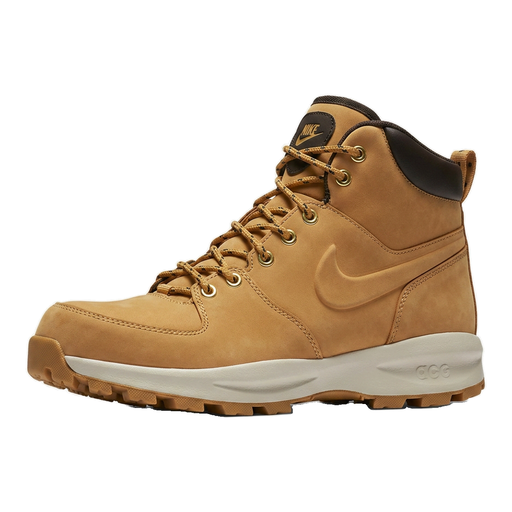
Why it suits this profile: A high-cut trekking boot for everyday winter use, light walks and adventures where ankle coverage is desirable.
The product information clearly states that it has water-repellent nubuck leather and a rubber outsole; however, make sure your intended use suits water-repellent protection rather than a GORE-TEX membrane.
High shaft, nubuck leather, padded insole and rubber lugged outsole.
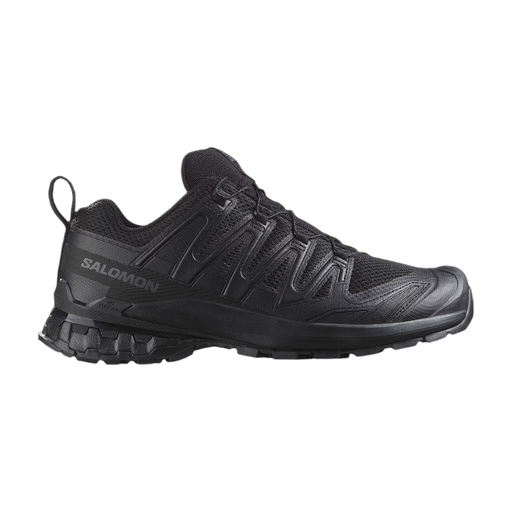
Why it suits this profile: For walkers and trail runners who want to combine stability, water protection and a secure fit.
According to the product information, the model combines a GORE-TEX membrane with 3D Advanced Chassis, allowing the water protection and stability features to be assessed separately.
GORE-TEX, Contagrip outsole, Quicklace and reinforced toe and heel areas.
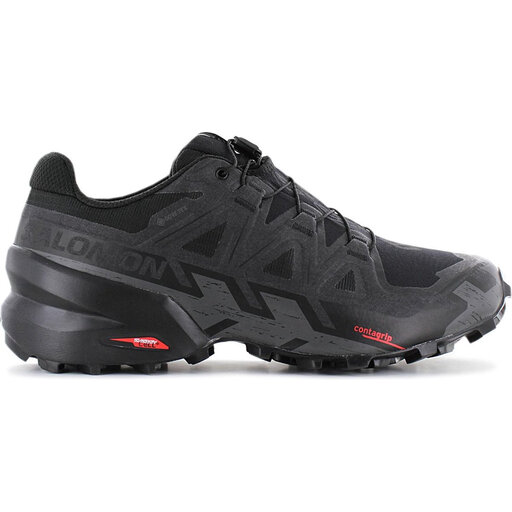
Why it suits this profile: Designed for trail runners who regularly seek out muddy, loose and technical paths.
The deep Contagrip lugs are designed for soft and technical ground. This makes it clearer when not to choose this model for long stretches of tarmac.
GORE-TEX, aggressive tread, Sensifit fit and Quicklace fastening.

Why it suits this profile: A mid-cut hiking shoe for longer walks, trekking and feet that need more room.
The wide version makes the fit choice explicit. This means you do not need to size up unnecessarily in a standard model to gain extra toe room.
Wide fit, mid-cut design, GORE-TEX and Contagrip outsole.
We have compiled a complete, up-to-date list of products that fully meet these strict selection criteria and the applicable European safety regulations.
They can be, particularly for rainy walks and commuting. Bear in mind that a trail outsole with deep lugs may be less comfortable on tarmac alone. For everyday use, choose a model with a mixed-terrain outsole and sufficient ventilation.
Lifespan depends on distance walked, terrain, weight, care and storage. Mud, stones and frequent wet use put greater strain on the outsole and upper. Clean shoes with a soft brush or damp cloth, allow them to dry naturally and avoid radiator heat. Always follow the care advice on the product label.
For mud and technical terrain, models with a deeper tread, such as the Salomon Speedcross 6 GTX, are a logical choice based on the stated outsole construction. For longer walks requiring extra ankle support, you could also consider the Salomon X Ultra 4 Mid GTX. For every purchase, check the fit, available sizes and stated intended use.
