
Vandaag of morgen in huis

Kwaliteit gegarandeerd
Download de app
Categorieën

A day trip can be made or broken by the backpack you carry. A pack that's too large and half-empty is unstable and cumbersome. One that's too small forces you to make tough choices about what to leave behind. The Salomon Trailblazer series is designed to solve this dilemma, offering various sizes for a range of activities. But which version – the 10, 20, or 30-litre – is the right fit for your plans? This article will help you make an informed decision based on specifications and intended use.
Before we dive into the specific models, it's helpful to understand the key selection criteria for a lightweight hiking backpack.
The capacity, measured in litres, is the most decisive factor.
A comfortable backpack is essential, especially for extended wear. Pay attention to the following features:
A good outdoor backpack is made from durable, lightweight materials like nylon or polyester. These fabrics are typically abrasion-resistant and water-repellent. A practical layout with a main compartment, several smaller pockets, and stretch side pockets for water bottles makes it easy to keep your gear organised and accessible.
Below is an overview of the different models in the Salomon Trailblazer line, based on their specifications.
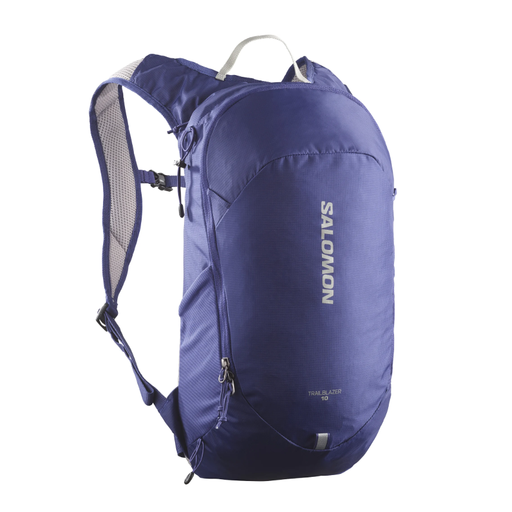
Why this product The Trailblazer 10 is the most compact and lightweight option in the series. According to the manufacturer, the shoulder straps and back panel have been updated for improved comfort and breathability. It's a minimalist pack for those who carry only the bare essentials.
Pros
Who is this for This model is suitable for the minimalist user. Think short hikes, city explorations, or as a secondary pack on a larger trip. It's the ideal Salomon backpack for day trips that last just a few hours.
View product details and specifications
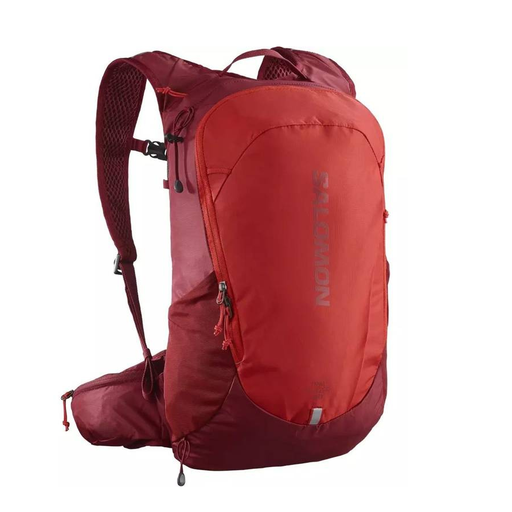
Why this product The Salomon Trailblazer 20 is the all-rounder. With a 20-litre capacity, this backpack strikes a balance between a compact size and storage space. The model is equipped with a padded back panel, hip belt, and shoulder straps for a comfortable fit during various activities.
Pros
Who is this for For the hiker or urban explorer looking for a reliable backpack for a full day out. There's enough room for a rain jacket, lunch, and water, without the pack becoming unnecessarily bulky.
View product details and specifications
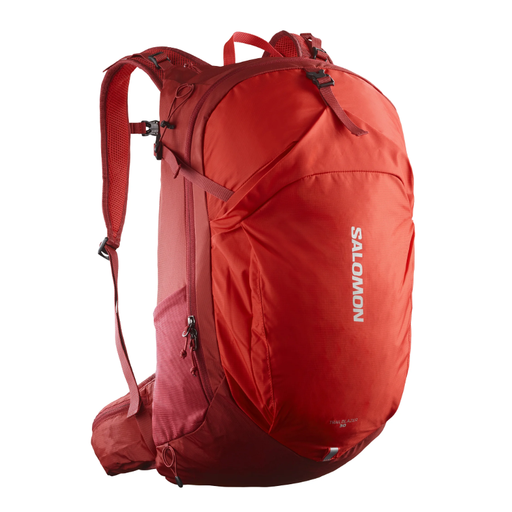
Why this product For those who need more space, there's the Salomon Trailblazer 30. With its 30-litre capacity, this model offers significantly more storage options. Like the other models, the design focuses on comfort, featuring an improved harness and back panel for excellent breathability, according to Salomon's product information.
Pros
Who is this for The serious day-hiker who wants to be prepared for all weather conditions, or the traveller looking for a compact backpack for a weekend trip. The extra space is ideal for additional clothing, food, or other essentials.
View product details and specifications
A versatile backpack like the Trailblazer is not only functional in nature but also practical for an active day in the city. To complete your urban outfit, the right choice of footwear is just as important. For a stylish and comfortable look that suits a day full of movement, blazer shoes, for example, are a popular consideration.
1. What is the main difference between the Salomon Trailblazer 10, 20, and 30? The primary difference is the capacity (10, 20, or 30 litres) and the corresponding storage options and carrying systems. The 10L is minimalist. The 20L is an all-rounder with a hip belt. The 30L offers the most space and is designed for heavier loads, featuring a more robust harness.
2. Is a Salomon Trailblazer backpack waterproof? The backpacks are made from water-repellent materials like nylon and polyester, meaning they can withstand a light rain shower. However, they are not fully waterproof. For persistent or heavy rain, using a separate rain cover is recommended to keep the contents dry.
3. How do I clean my Salomon Trailblazer backpack? According to the manufacturer's care instructions, it is best to clean the backpack by hand. Use a damp cloth and mild soap. Do not submerge the bag in water, and do not use a washing machine, bleach, or a dryer. Allow the backpack to air dry, away from direct heat sources.