
Vandaag of morgen in huis

Kwaliteit gegarandeerd

Welkomstaanbiedingen ontgrendelen: GRATIS bezorging | Tot 80% korting | Gratis 30 dagen JoyPlus-proefperiode
Download de app
Wet woodland paths, muddy slopes and long walks call for different shoes than a lap around the tarmac. Yet Salomon trail and walking shoes are often lumped together. This can lead to cold feet, insufficient grip or a fit that starts to cause irritation after a few kilometres.
So don’t focus only on colour, price or familiar model names. Above all, check the construction, the terrain the shoe is designed for and how it holds your foot.
Salomon GTX shoes and other GORE-TEX walking shoes feature a membrane that, according to the product descriptions, keeps water out while allowing vapour to escape. That does not mean the shoe is suitable for standing in water for extended periods. Water can also enter through the collar, tongue or upper.
Therefore, use waterproof trail running shoes mainly in the rain, on wet grass and on muddy paths. For deep puddles, the height of the shoe is at least as important as the membrane.
Deep lugs can be well suited to soft mud, loose earth and technical trails. On tarmac, they can feel less comfortable and wear out more quickly. Conversely, a light trail outsole may provide too little grip on muddy slopes.
So consider the terrain you usually run on. A mixed outsole is practical for woodland, gravel and short stretches of tarmac. A pronounced tread, such as the one on the Salomon Speedcross, is better suited to soft or technical ground.
A shoe can be the correct EU size and still fit poorly. Also pay attention to the width at the forefoot, the room for your toes and the fit around the heel. During long walks or trail runs, your feet may swell slightly. Too little room increases the risk of pressure points, while too much room can cause your feet to slide around.
Ideally, try shoes on with the socks you use for walking or running. Also check the specific sizing information for each model, as the same EU size may not feel identical across every brand and model.
A GORE-TEX membrane is particularly useful if you often walk in changeable British weather. The product descriptions for the GTX models mention protection against rain and moisture. A non-GTX model with mesh may be more appealing when breathability and lower weight are more important than protection in wet conditions.
Bear in mind that waterproof shoes generally breathe less quickly than very open mesh models. The right choice therefore depends on the balance between wet paths, warmth and how intensely you walk or run.
Salomon uses Contagrip outsoles in various models. Check which outsole type and tread are specified:
Brand designations do not guarantee the same experience on every type of terrain. So examine the lugs, outsole width and stated usage scenario.
For trail running, weight, flexibility and cushioning are often decisive. According to the product information, the Salomon Pulsar Trail uses an Energy Foam midsole and a rubber outsole for grip on rocky and uneven paths. The Salomon Ultra Flow GTX is described as offering soft cushioning and a transition between road and trail.
For walking and trekking, a mid-height shoe can provide more coverage around the ankle. The Salomon X Ultra 4 Mid GTX has a mid-cut design, EnergyCell midsole and Contagrip MA outsole. This makes the model relevant for longer walks and uneven terrain, without the product description making any medical claims.
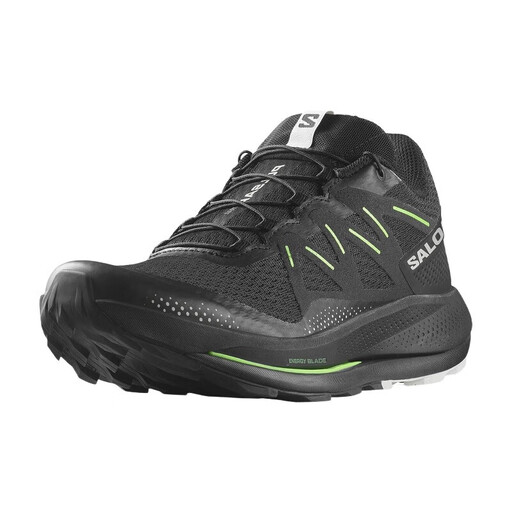
Why it suits this profile: A low-cut model for beginners who mainly want to start trail running on woodland paths, gravel and mixed terrain.
The product information specifies a 2.5 mm tread and use on sand, gravel and light mud. This is more specific than a general claim that it suits every type of terrain.
Energy Foam midsole, rubber outsole and QuickLACE system according to the product description.
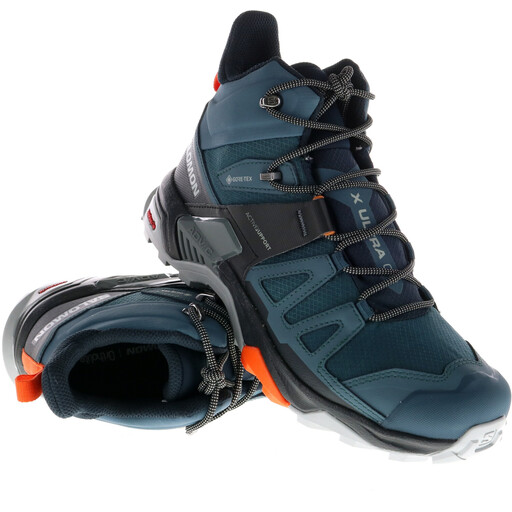
Why it suits this profile: For walkers who want to combine water protection, a mid-height construction and cushioning during hikes and treks.
The product description lists the GORE-TEX membrane, mid-cut shape and Contagrip MA outsole separately. This lets you match your choice to your walking plans.
GORE-TEX, EnergyCell EVA midsole and mid-height fit according to the supplied product specifications.
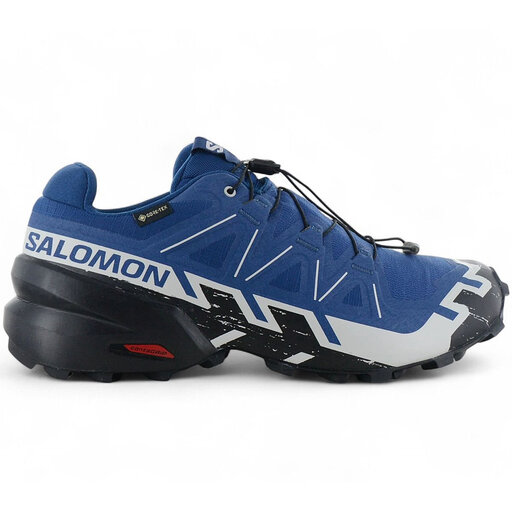
Why it suits this profile: Designed for trail runners who often run on soft, muddy or technical paths and appreciate a close, secure fit.
The tread has not been selected on name alone: the product information specifies a Contagrip outsole for loose and soft ground, along with GORE-TEX and Quicklace.
GORE-TEX membrane, Quicklace system and Sensifit fit according to the product specifications.

Why it suits this profile: A mid-height hiking shoe for anyone who finds standard models too tight around the forefoot.
The wide version makes the fit explicit. Nevertheless, check the length, heel hold and toe room before ordering.
Wide fit, GORE-TEX membrane and Contagrip outsole for walks on a variety of surfaces.
We’ve put together a complete, up-to-date list of products that fully meet these strict selection criteria and the applicable European safety regulations.
The women’s or men’s designation is a starting point, not a substitute for trying shoes on. Salomon women’s shoes may have a different last, volume or colour option; the same applies to Salomon men’s shoes. Always check the size chart and available size. For trail running, also consider the thickness of your socks and allow extra room for descents.
For longer hikes, a slightly roomier toe box is often practical. For technical trails, a more secure fit around the heel and midfoot may be preferable. Wider feet may benefit from the X Ultra 4 Mid Wide GTX. If you mainly run, the Pulsar Trail, Speedcross or Ultra Flow GTX may be a better choice.
Mud and sand can cause the upper and outsole to wear more quickly. Brush off dirt after use, clean the shoe according to the product label and leave it to dry at room temperature. Avoid radiators, tumble dryers and harsh cleaning products. On GTX models, heat and solvents can damage the membrane.
Lifespan depends on the surface, body weight, running style, distance and care. Replace shoes when the outsole becomes visibly smooth, the cushioning noticeably decreases or the construction no longer feels stable. According to the supplied product information, these models are covered by at least the statutory two-year guarantee under European consumer rules; additional rights may arise under national legislation.
They can be, particularly in the rain, on wet grass and on unsurfaced paths. If you mainly walk on tarmac, a lighter shoe with a less aggressive tread may feel more comfortable. Check that the outsole and cushioning suit your daily route.
The fit varies by model and version. Therefore, check the available EU size, any wide-fit designation and the information about length. Try them on with your usual sports socks and leave enough room for your toes on descents.
Remove mud with a soft brush or damp cloth and follow the care advice on the label. Allow the shoes to air-dry away from direct heat. Do not machine-wash them unless the manufacturer expressly permits it.
