
Vandaag of morgen in huis

Kwaliteit gegarandeerd

Welkomstaanbiedingen ontgrendelen: GRATIS bezorging | Tot 80% korting | Gratis 30 dagen JoyPlus-proefperiode
Download de app
When you’re looking for Salomon trail shoes, you’ll soon come across terms such as Contagrip, GORE-TEX, Quicklace and EnergyCell. These technologies may be relevant, but they won’t automatically tell you whether a shoe suits your route, feet and running style. A muddy woodland path, for example, calls for different features from a long walk along paved cycle paths.
Most disappointing purchases come down to three common pitfalls:
For shoes for muddy terrain, the shape, depth and placement of the lugs matter more than a general claim such as “all-terrain”. The Speedcross models in this selection use a Contagrip outsole with an aggressive tread. According to the product descriptions, these lugs are designed for soft, wet and technical terrain, and to shed mud.
Choose trail-running shoes with deep lugs mainly for:
For mixed routes with a lot of tarmac, a less aggressive tread may feel more comfortable. Also check that the product page actually offers your preferred size and colour.
When choosing waterproof trail shoes and GORE-TEX shoes, it’s important to distinguish between a membrane and the shoe’s overall construction. The product information for several Salomon models lists a GORE-TEX membrane. This is useful in rain, wet grass and muddy conditions, but it doesn’t automatically make a shoe suitable for walking through deep water for long periods.
Keep these points in mind:
A good fit helps stop your foot sliding forwards on descents. If possible, try shoes on with the socks you’ll wear for walking or trail running. When checking the fit, make sure you have:
A Quicklace system can make shoes quicker to put on and distribute tension more evenly. According to the product descriptions, several Salomon models also use SensiFit, which wraps around the foot for a close fit. This is a design feature, not a guarantee that every foot will feel the same in the shoe.
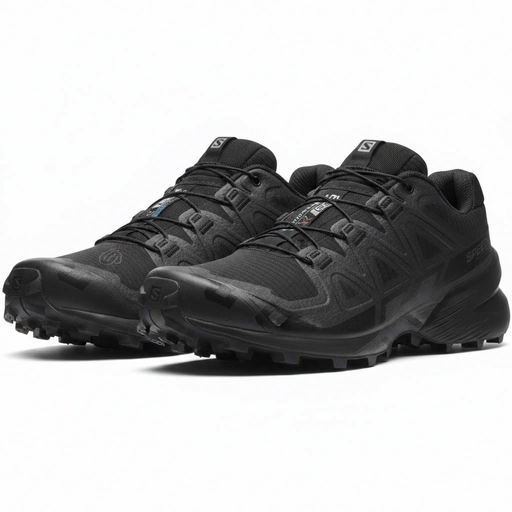
Why it suits this profile: A sensible choice for beginners who mainly run on soft woodland paths and mud, and don’t need a GORE-TEX membrane.
The product description specifically mentions an aggressive tread with deeper lugs and faster mud shedding. Do check whether you often run in wet conditions.
Contagrip outsole, synthetic mesh and EVA midsole, according to the product information.

Why it suits this profile: A good option for walkers looking to combine water protection, stability and a sturdy construction.
The listed GORE-TEX layer, reinforced toe and heel, and 3D Advanced Chassis make it easy to check the relevant features on the product page.
GORE-TEX, Contagrip, Quicklace and a stabilising chassis, according to the stated product specifications.
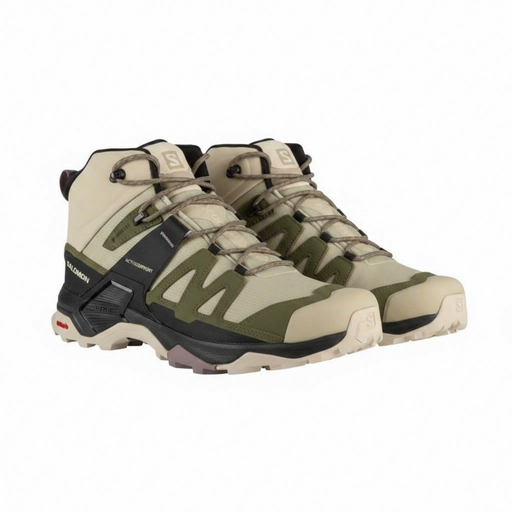
Why it suits this profile: A mid-cut model for long walks and uneven paths, suited to anyone looking for more ankle support.
The mid-cut collar makes this a different choice from a low-cut trail runner. The product description also lists GORE-TEX and Contagrip MA.
Mid-cut design, EnergyCell midsole, GORE-TEX membrane and Contagrip MA outsole, according to the product details.
For women specifically looking for a Speedcross model, the Salomon Speedcross 5 GTX W 407954 36 and Salomon Speedcross 5 GTX W 416129 36 are also available. Both product descriptions mention GORE-TEX, Contagrip TA, Quicklace and a women’s-specific fit. Before buying, check the exact size, colour and model code.
We’ve put together a complete, up-to-date list of products that meet these strict selection criteria and the applicable European safety regulations.
It depends on the surface. According to the product information, Speedcross models are designed for soft, muddy and technical paths. For everyday use on tarmac, a less aggressive sole may feel more comfortable. Also consider the cushioning and fit you’re looking for.
Their lifespan depends on distance, body weight, surface, care and storage. Mud, stones and tarmac all put different demands on the sole. Replace your shoes when the tread is clearly worn down, the sole becomes unevenly deformed or the fit feels less stable. There’s no set mileage that applies to every model or wearer.
A membrane may feel different to a breathable mesh upper. GORE-TEX models are especially useful in rain, wet grass and changeable weather. In dry, warm conditions, a non-waterproof model may let more air through. Choose based on how you normally use your shoes, rather than the waterproof label alone.
