
Vandaag of morgen in huis

Kwaliteit gegarandeerd

Welkomstaanbiedingen ontgrendelen: GRATIS bezorging | Tot 80% korting | Gratis 30 dagen JoyPlus-proefperiode
Download de app
Wet woodland paths, muddy slopes and hard surfaces call for different shoes than a lap around the tarmac. Yet Salomon trail shoes are often bought based on appearance alone, the words GORE-TEX or a striking tread pattern. This can lead to the wrong choice: a shoe with plenty of grip may feel uncomfortable on tarmac, while a comfortable walking shoe is not always suitable for fast trail running.
In this buying guide, you’ll discover what to look for in Salomon trail running shoes, Salomon walking shoes and winter trail shoes. The product information below is based on the available product descriptions and verifiable specifications.
A GORE-TEX membrane is designed to provide a waterproof layer within the shoe. According to Salomon’s product descriptions, the GTX models mentioned are equipped with such a membrane. This helps in rain, wet grass and mud, but water can still enter through the collar when you walk through deep puddles. Moisture can also build up inside during intense activity.
So don’t just look for “GTX”. Also consider:
Deep lugs are useful on soft mud, loose ground and technical trails. On tarmac, they may feel less smooth and wear out more quickly. According to the product description, the standard Speedcross 6 is designed for soft, muddy and technical terrain. For mixed routes with paved sections, a more versatile outsole may make more sense.
Salomon uses sizes such as 41 1/3, 42 2/3 and 43 1/3, among others. The fit also varies from one model to another. For example, a wide foot requires a different construction than a narrow foot. With walking shoes, extra room around the toes is important, especially when wearing thicker socks. Always check the size chart and see whether the model is available in a wide or standard fit.
Contagrip is the name used for Salomon outsoles with rubber tread patterns. The product descriptions mention different profiles for a range of terrains. Pay particular attention to the shape and depth of the lugs:
A shoe with plenty of grip does not automatically prevent slipping. Stride length, running technique and the condition of the surface still have an impact.
According to the product information, Salomon GTX shoes use a GORE-TEX membrane. This makes models such as the Ultra Flow GTX, Speedcross 6 GTX and X Ultra GTX appealing for wet conditions. A synthetic upper generally dries differently from leather; leather models also require appropriate care.
Check the following before buying:
Do not use a washing machine or direct heat if the product instructions advise against it. Several of the models mentioned recommend hand cleaning and natural drying.
For running, low weight and a smooth roll-through are important. For walking or hiking, stability, toe protection and support matter more. According to the product description, the XA Pro 3D v9 GTX features a 3D Advanced Chassis and reinforced areas around the toe and heel. The X Ultra 4 Mid Wide GTX is a mid model with a wide fit and ADV-C sole plate, according to the stated specifications.
A taller shoe provides more coverage around the ankle, but generally feels less unrestricted than a low trail shoe. Choose based on how you intend to use it, rather than simply on the number of technical features.
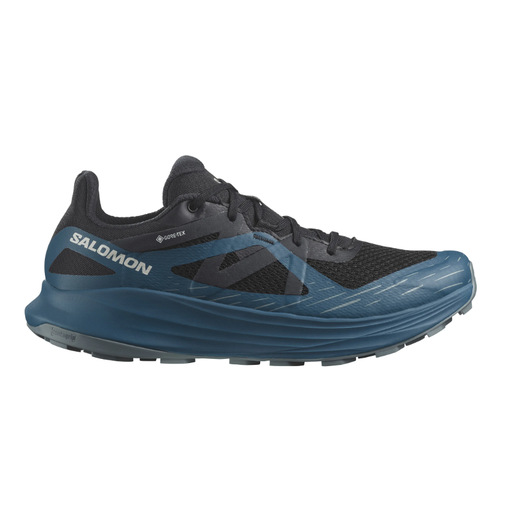
Why it suits this profile: The stated product description combines cushioning for a road-like feel with a Contagrip outsole for mixed terrain. This suits beginners who run on both tarmac and woodland paths.
This model is not designed exclusively for mud. The product information explicitly mentions the transition between road and trail, making it less likely that you’ll need a separate shoe for short paved sections.
GORE-TEX membrane, EVA midsole and a Contagrip profile for mixed terrain.
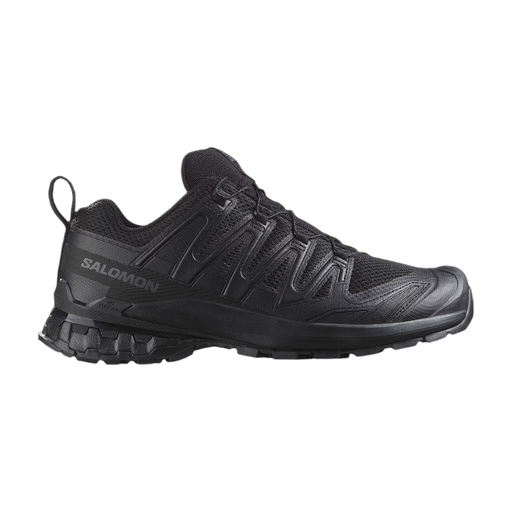
Why it suits this profile: For those who regularly combine technical trails and walking routes, the stated specification offers a robust construction with 3D Advanced Chassis, GORE-TEX and reinforcement around the toe and heel.
The choice is not based on waterproofing alone. The product description also mentions stability, protection and Quicklace, taking fit and support into account too.
3D Advanced Chassis, Contagrip outsole and GORE-TEX membrane according to the product information.
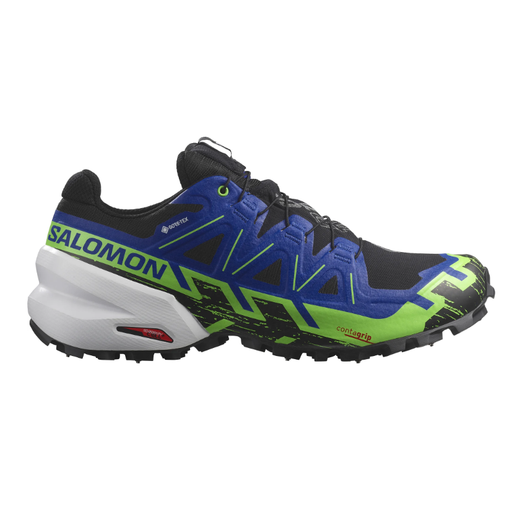
Why it suits this profile: The product description mentions 12 tungsten spikes and full GORE-TEX protection. This makes the model specifically suited to winter trails, snow and icy surfaces.
The spikes make it clear what the shoe is designed for. Don’t use this type as an everyday walking shoe on routes with a lot of tarmac, as metal studs are impractical on those surfaces.
12 tungsten spikes and a full GORE-TEX construction according to the supplied product details.
We’ve put together a complete, up-to-date list of products that fully meet these strict selection criteria and the applicable European safety regulations.
That depends on the outsole profile. A model with a mixed Contagrip profile, such as the Ultra Flow GTX according to the product description, may be suitable for walks combining paved and unpaved sections. An aggressive Speedcross outsole is more geared towards soft or technical ground. Also check that the fit provides enough room for everyday use.
Their lifespan depends on running distance, body weight, surface, maintenance and storage. Mud, tarmac and rocky paths place different demands on the outsole. Replace your shoes when the tread is visibly worn, the midsole has permanently compressed or the upper no longer provides proper support. According to the supplied product information, a statutory minimum two-year guarantee applies to the products mentioned; this is not the same as a fixed service life.
A waterproof membrane may feel different in terms of ventilation compared with a fully open mesh upper. This is particularly noticeable during intensive trail running or in milder weather. For wet Dutch autumn and winter routes, GORE-TEX trail shoes can be practical. In dry, warm conditions, a more breathable model may feel more comfortable. So consider how you’ll use them, rather than focusing solely on the term ‘waterproof’.
