
Vandaag of morgen in huis

Kwaliteit gegarandeerd

Welkomstaanbiedingen ontgrendelen: GRATIS bezorging | Tot 80% korting | Gratis 30 dagen JoyPlus-proefperiode
Download de app
Wet woodland paths, muddy dunes and slippery winter trails call for different shoes from a run on tarmac. Yet many people choose Salomon trail running shoes based mainly on a familiar model name or eye-catching sole. That can lead to the wrong choice: feet that get too hot, not enough grip in mud or a fit that becomes uncomfortable after a few kilometres.
This buying guide helps trail runners, walkers and hikers compare models objectively. We look at the features that matter most in the Netherlands: grip, waterproofing, stability, warmth and fit.
Shoes with GORE-TEX or another waterproof lining can help keep out rain and splashes. That doesn’t automatically mean your feet will stay dry when you walk through deep puddles or water gets in over the collar. Waterproof shoes may also be less breathable than models without a membrane.
So consider the membrane, collar height and intended use together. A low-cut shoe is often enough for short, wet routes. For snow, mud and longer walks, a mid-cut model may be more practical.
Deep lugs are useful on soft woodland ground and mud. However, they can feel less comfortable and wear down more quickly on tarmac, hard cycle paths and smooth stones. Trail running shoes with good grip aren’t automatically suitable for every surface.
For paved sections at the start or end of a route, a less aggressive tread often makes more sense. If you mainly run on muddy or technical trails, a sole with deep grooves and durable rubber may be a better choice.
Salomon shoes can feel different from one model to another because of the last, lining and construction. For example, the Speedcross has a close fit, while the Salomon XA Pro GTX or a Wide version may offer more support or room.
Measure both feet at the end of the day and wear the socks you use when running. Leave some room around your toes for descents. Shoes that are too small can cause pressure points, while shoes that are too roomy can slip on uneven ground.
Don’t just check whether a shoe promises “plenty of grip”. Look for:
Product information describes a GORE-TEX membrane as offering protection from rain and moisture. Check the seams, tongue construction and shoe height too. Water is more likely to get in over the top of a low-cut trail running shoe than a mid-cut walking shoe.
Clean your shoes after use with a soft brush and lukewarm water. Always follow the care label. Models with leather, such as the Salomon X Ward Leather Mid GTX, generally need more careful maintenance than synthetic shoes.
For technical trails, a firm heel counter, secure lacing and a supportive midsole are important. According to product descriptions, systems such as Quicklace and SensiFit are designed to provide an adjustable, close fit. The 3D Advanced Chassis in the XA Pro 3D v9 GTX is described in the product information as providing extra stability on technical trails.
Also consider the difference between neutral trail running shoes and walking shoes with a higher collar. A higher collar can offer more support around the ankle, but often feels less flexible when running at speed.
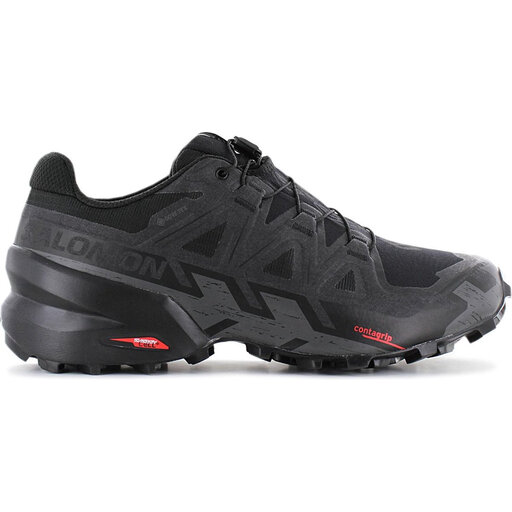
Why it suits this type of user: A practical choice for beginners who mainly run on wet, muddy and soft trails and want one pair of shoes for different seasons.
The product description lists a GORE-TEX membrane, deep Contagrip lugs and Quicklace. This means you don’t have to rely solely on eye-catching looks or a vague claim about grip.
GORE-TEX, an aggressive sole tread, SensiFit support and an adjustable Quicklace system.
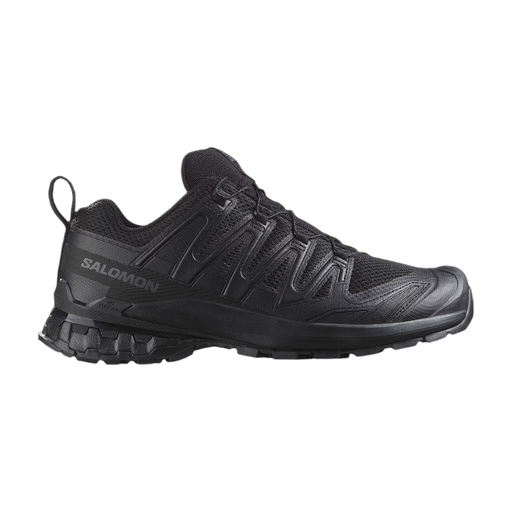
Why it suits this type of user: Designed for people who combine trail running with hiking and value stability on rocky or technical routes.
The 3D Advanced Chassis and reinforced heel and toe areas provide more support than a lightweight model designed mainly for fast, flat trails.
GORE-TEX, Quicklace, a Contagrip sole and a construction designed to support stability, according to the product information.
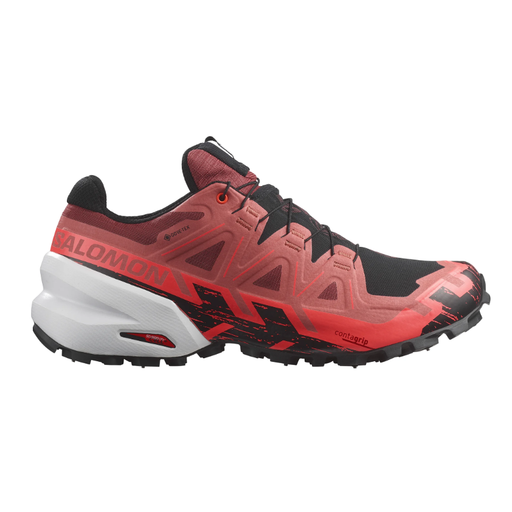
Why it suits this type of user: For winter trail runners who regularly train on snow or icy ground and don’t stick to paved roads.
The 12 tungsten-steel spikes are specifically designed for snow and ice. This makes it clearer when the model is practical and when it isn’t; spikes can feel uncomfortable on tarmac.
A full GORE-TEX construction, according to the product description, and 12 spikes for winter terrain.
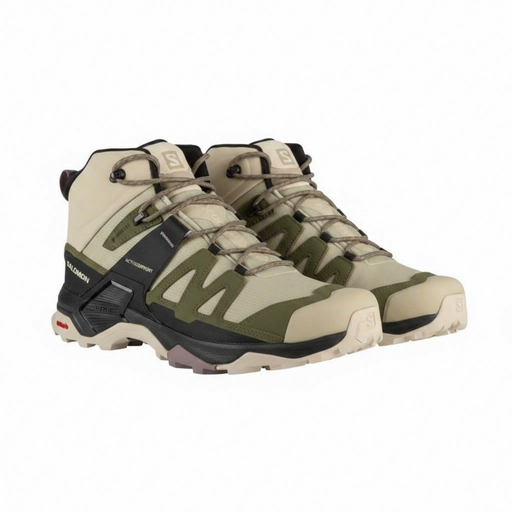
Why it suits this type of user: A mid-cut model for long walks and hilly terrain, and for anyone looking for more ankle support than low-cut trail shoes offer.
The higher collar, GORE-TEX lining and Contagrip MA sole make its intended use clearer than that of a low-cut shoe designed purely for speed.
A mid-cut design, EnergyCell midsole and tread for wet and dry surfaces, according to the product information.
We’ve put together a comprehensive, up-to-date list of products that meet these strict selection criteria and current European safety regulations.
It depends on the model. Speedcross shoes are mainly designed for trail running and soft, technical terrain. Models such as the XA Pro 3D v9 GTX and X Ultra 4 Mid GTX are also suitable for hiking and longer walks, according to their product descriptions. Check the collar height, weight and fit before ordering.
Their lifespan depends on the terrain, how often you use them, your body weight and how well you care for them. Mud and stones can wear down the tread more quickly, while high temperatures can put strain on membranes and bonded joints. Let your shoes dry naturally, avoid tumble-drying them, and regularly check the sole, seams and lining.
A GORE-TEX membrane is primarily designed to protect against moisture; it isn’t the same as insulation. For cold conditions, insulated winter trail running shoes, such as a model with Thinsulate, are more suitable. For snow and ice, a Spikecross GTX with spikes can provide extra grip. Choose based on the temperature, your socks, the terrain and how long you’ll be out.
