
Vandaag of morgen in huis

Kwaliteit gegarandeerd

Welkomstaanbiedingen ontgrendelen: GRATIS bezorging | Tot 80% korting | Gratis 30 dagen JoyPlus-proefperiode
Download de app
Choosing the right trail running shoes can feel like navigating a technical trail in the dark. Salomon offers a wide range of models, each designed for a specific purpose. But which pair truly fits your running style and the trails you conquer?
As a Joybuy Product Recommendation Officer, I'm here to help you decode the marketing jargon. In this article, we'll provide objective information and practical recommendations based on product specifications, so you can make an informed decision for your next pair of Salomon trail running shoes.
Before we dive into the models, here are a few key considerations to help you filter the options.
Not all trails are created equal. Do you primarily run on soft, muddy surfaces, or on hard, trail shoes for rocky terrain? The outsole is crucial here. Salomon's Salomon Contagrip technology comes in different variations:
Think carefully about where you run most often. This will largely determine which sole is best for you.
The amount of cushioning affects comfort and energy return. A shoe with high cushioning feels soft and comfortable, ideal for long distances. A shoe with less cushioning offers more ground feel and stability, which is beneficial on technical trails where precision is key. Fast trail shoes often have responsive cushioning that propels you forward, while models for technical terrain focus more on protection and a stable base.
Do you often run from your front door straight to the trails? If so, hybrid running shoes are an excellent option. These shoes combine the cushioning you need for asphalt with the grip and protection for unpaved paths. They are the perfect 'door-to-trail' solution. Also, pay attention to the specific fits for Salomon trail shoes for women and Salomon trail shoes for men for optimal comfort.
Based on clear product features, we've made a selection for different types of runners.
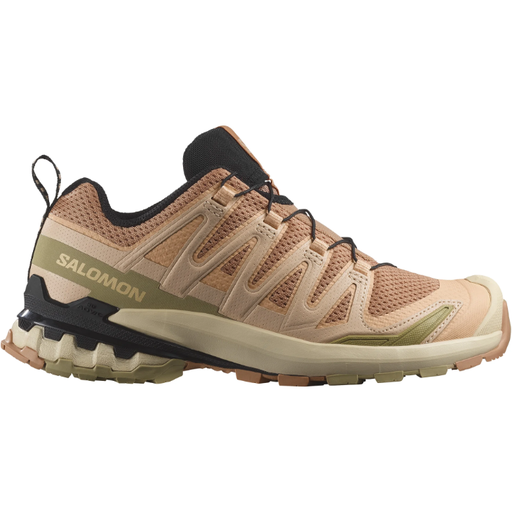
Why It Stands Out: This model is renowned for its robustness and stability. The ninth version builds on this reputation with an improved outsole and a construction that keeps your foot securely in place, even on the most challenging surfaces.
Pros:
Who Is It For? For the trail runner who regularly (2-3 times a week) tackles technical, rocky paths and prioritises stability and protection over maximum speed. It's also a popular choice for hikers looking for a sturdy, lightweight shoe.
View the Salomon XA Pro 3D v9 W on Joybuy
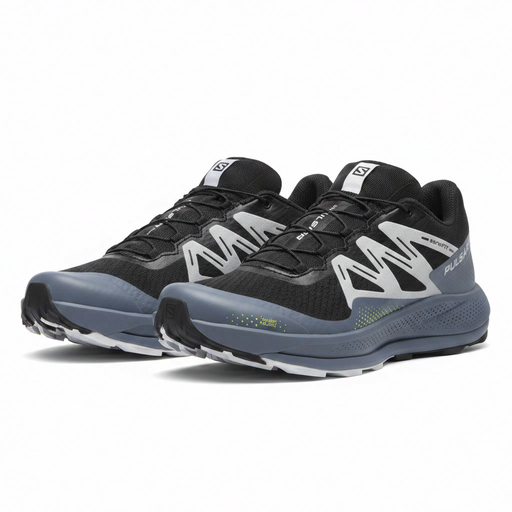
Why It Stands Out: The Pulsar Trail is designed with speed in mind. According to Salomon, the combination of a soft Energy Foam midsole and an Energy Blade plate provides lively cushioning and powerful propulsion.
Pros:
Who Is It For? For the runner seeking speed and a responsive ride on rolling and less technical trails. Ideal for tempo runs and races on non-technical terrain.
View the Salomon Pulsar Trail on Joybuy
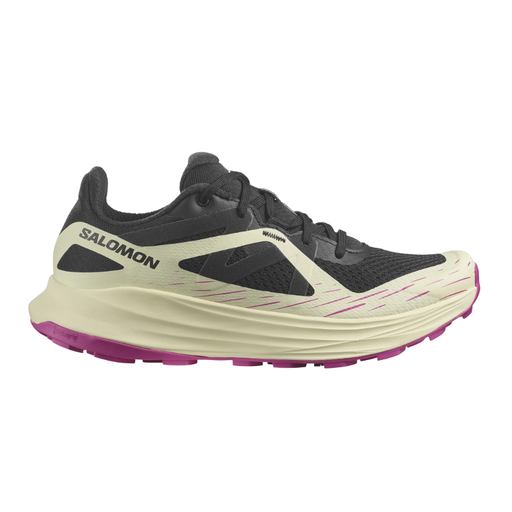
Why It Stands Out: The Ultra Flow is the solution for the 'door-to-trail' runner. It offers ultra-soft cushioning that's comfortable on asphalt, combined with a mixed-terrain outsole that gives you the grip you need as soon as you hit the unpaved path.
Pros:
Who Is It For? For the runner who alternates between the road and easy to moderate trails. Perfect if you're looking for one versatile shoe that can handle both without compromising on comfort.
View the Salomon Ultra Flow on Joybuy
The shoes mentioned above offer a combination of cushioning, support, and protection. However, some runners seek a different approach, focusing on maximum ground feel and a natural running style. If that minimalist philosophy appeals to you, it's worth exploring alternative styles.
Discover our selection of barefoot hiking shoes for women for a different perspective on moving in nature.
View the barefoot hiking shoes collection
Yes, many models are very suitable for hiking. In particular, the more stable, protective models like the Salomon XA Pro 3D v9 offer excellent support and grip for day hikes and challenging walks on unpaved terrain.
This is a common question. Simply put: the Speedcross is designed for soft, muddy surfaces with its deep, aggressive lugs. The XA Pro is an all-rounder that excels in stability and protection on harder, technical, and rocky paths.
