
Vandaag of morgen in huis

Kwaliteit gegarandeerd

Welkomstaanbiedingen ontgrendelen: GRATIS bezorging | Tot 80% korting | Gratis 30 dagen JoyPlus-proefperiode
Download de app
Whether you're running through dunes, exploring forest paths, or conquering rugged hills, the right footwear isn't a luxury. It's the foundation for your performance and comfort. The market for Salomon trail running shoes is vast, and the technologies sound impressive. But how do you choose a pair that truly suits you, without falling for the typical marketing traps?
As a Joybuy Product Recommendation Officer, I see the challenges consumers face every day. Many choices are based on looks or exaggerated promises. Let's examine the most common pitfalls so you can make an informed decision.
Pitfall 1: The "one-size-fits-all" myth Many outdoor shoes are marketed as a jack-of-all-trades. The result? A shoe that excels at nothing. A heavy hiking boot is too cumbersome for a fast trail run, while a minimalist running shoe offers too little support on rocky terrain.
Pitfall 2: Fixating on "Waterproof" A GORE-TEX (GTX) label sounds like the perfect solution for unpredictable weather. But for a summer run in dry conditions, a waterproof trail shoe can actually be a disadvantage. Your feet can overheat because sweat can't escape as easily. The choice for waterproofness depends entirely on your use case.
Pitfall 3: Ignoring the Outsole Cushioning and fit are important, but the outsole determines your grip. A shoe with the wrong sole can feel like a pair of ice skates on a muddy forest path. The tread pattern and rubber compound are crucial for your safety and confidence on the trail.
To find the right Salomon shoe, it helps to understand a few basic technologies. These aren't just marketing terms, but functional features that make a real difference.
Not all outsoles are created equal. Salomon uses Contagrip, a technology where the rubber compound and lug pattern are tailored to specific surfaces.
Trail running happens on uneven ground. To prevent ankle rolls, stability is essential. Models like the Salomon XA Pro 3D include a 3D Advanced Chassis. This is a layer placed between the midsole and outsole. It limits torsion (the twisting of the shoe) and provides a stable platform, without making the shoe stiff and cumbersome. This is especially useful for runners who need extra support or frequently tackle technical trails.
This is where the Salomon GTX shoes choice comes back into play.
Based on these specifications, we've selected a few models that suit different types of users.
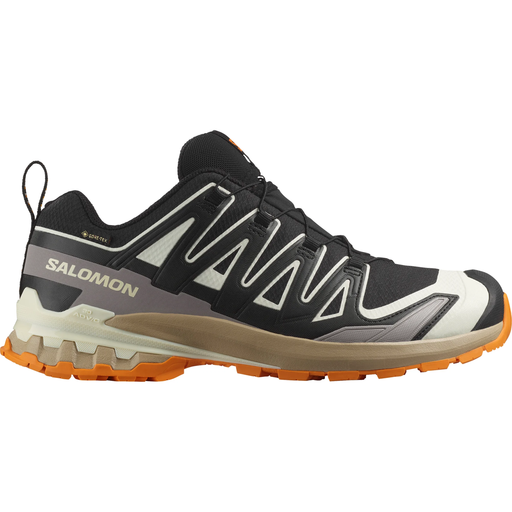
Why This Fits Their Persona: For the runner seeking stability and protection on challenging, uneven trails. Perfect for the Ardennes or technical routes in the dunes, where grip and support are crucial.
This isn't a generic shoe. The 3D Advanced Chassis provides specialised stability (avoids pitfall 1) and the Contagrip outsole is made for grip on varied terrain (avoids pitfall 3).
The combination of the stable chassis and the waterproof GORE-TEX membrane makes this a highly reliable shoe for unpredictable weather and technical terrain.

Why This Fits Their Persona: Ideal for the serious hiker looking for a robust shoe for long treks, possibly with a backpack. This is a true Salomon hiking shoe for men or women who prioritise ankle support and durability.
This model is specifically designed for hiking, not running. The high-cut collar provides the ankle support that a low-cut trail shoe lacks (avoids pitfall 1). The GORE-TEX is a logical choice here for multi-day treks.
Offers superior ankle support and durability thanks to the suede leather. The Contagrip outsole ensures reliable traction when carrying a heavier pack.
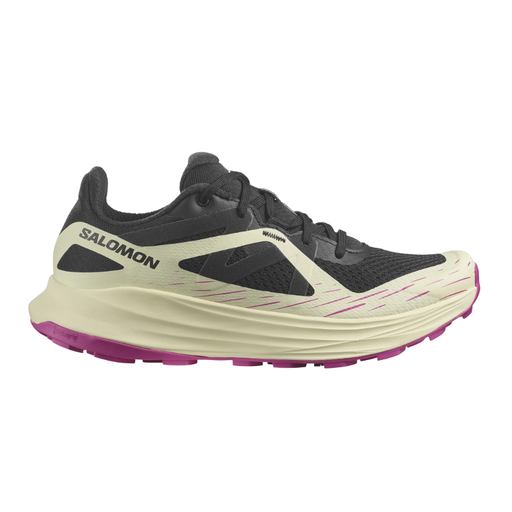
Why This Fits Their Persona: For the runner who seeks comfort and switches between paved roads and light forest paths. The soft cushioning makes the transition from asphalt to unpaved terrain smooth and comfortable.
This is a non-GTX model, which maximises breathability. Perfect for those who want to avoid overheated feet and don't typically run in the rain (avoids pitfall 2). The outsole is designed for mixed terrain.
The soft cushioning provides comfort comparable to a road shoe, while the outsole offers enough grip for well-maintained forest running shoe trails.
We've compiled a complete, up-to-date list of products that meet these selection criteria and current regulations.
Yes, you certainly can. More stable models like the Salomon XA Pro 3D are also popular as lightweight Salomon hiking shoes for women and men. They offer good grip and support. However, for long treks with a heavy backpack, a dedicated hiking boot with more ankle support, like the Quest series, is a better consideration.
The lifespan depends heavily on the user, terrain, and frequency of use. A general guideline is that the cushioning and support will significantly diminish after about 800 to 1000 kilometres (500 to 600 miles). Pay close attention to the wear on the outsole and the feel of the cushioning. If the shoe feels "flat," it's probably time for a new pair.
To preserve the lifespan and waterproof function of your GTX shoes, proper maintenance is important. After a muddy trek, brush off the worst of the dirt. Clean the shoe with a soft brush and lukewarm water. Do not use a washing machine or harsh soaps. Remove the insole and let the shoes air dry at room temperature, away from a direct heat source like a radiator.
