
Vandaag of morgen in huis

Kwaliteit gegarandeerd

Welkomstaanbiedingen ontgrendelen: GRATIS bezorging | Tot 80% korting | Gratis 30 dagen JoyPlus-proefperiode
Download de app
When you're exploring forest paths, dunes, or hills, you know that the right footwear makes all the difference. The wrong shoe can lead to discomfort or loss of grip—exactly what you want to avoid on a nature run. Salomon is a renowned name in the world of outdoor sports, offering an extensive range of trail running shoes. But which model is right for you?
This guide is designed to help you make an informed decision. We'll highlight several popular models and provide practical tips so you can find the Salomon trail running shoes that match your adventures.
Before we dive into the models, here are a few key factors to consider when choosing the right off-road running shoes.
Not all trails are created equal. Do you primarily run on soft forest floors, hard-packed gravel paths, or technical, rocky terrain? The outsole of your shoe is engineered for these specific conditions. Salomon often uses its All Terrain Contagrip technology for this purpose. This sole is designed to provide grip on both wet and dry surfaces. Pay attention to the lug pattern: deeper, more widely spaced lugs are typically better for muddy, soft ground, while a less aggressive tread is sufficient for gravel shoes and dry paths.
There is often a trade-off between cushioning and stability.
Consider the type of trails you'll frequent most and choose the balance that feels most comfortable for you.
A proper fit is crucial. Salomon trail running shoes for women are often built on a different last than the men's models. They typically feature a narrower heel and a different shape around the forefoot to better match the anatomy of the female foot. Salomon trail running shoes for men generally offer a slightly wider fit. Technologies like SensiFit help cradle the foot for a secure and personalised fit.
Based on product specifications and their intended use, we've selected a few standout Salomon models.
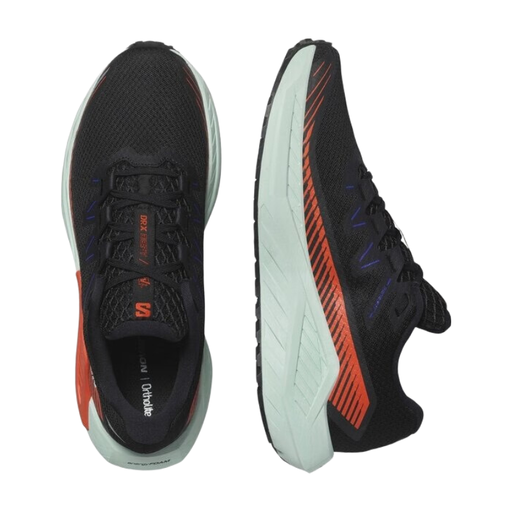
Why It Stands Out This model is specifically designed for women seeking comfort and performance on gravel and varied terrain. The focus is on responsive cushioning for longer distances.
Benefits
Who It's For For the female runner who primarily tackles gravel paths and mixed forest trails and values comfort and cushioning during endurance runs.
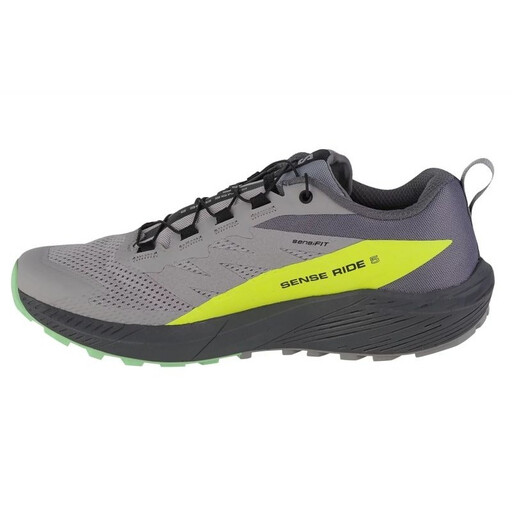
Why It Stands Out The Salomon Sense Ride 5 is a versatile men's shoe, suitable for diverse and challenging terrain. It combines comfort with a robust construction.
Benefits
Who It's For For the male trail runner looking for a reliable all-rounder that performs well on both forest paths and more technical routes.
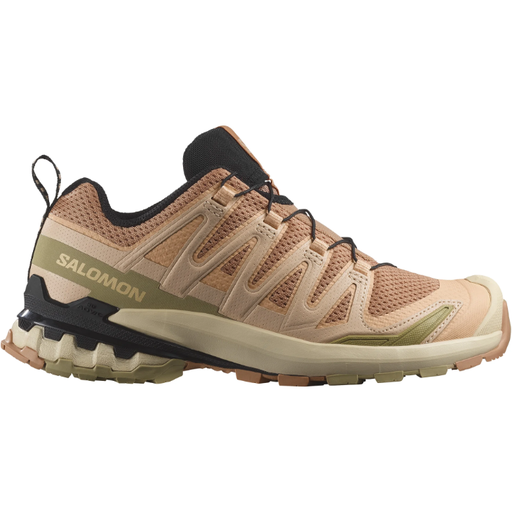
Why It Stands Out The Salomon XA Pro 3D v9 is an iconic model renowned for its stability and durability. This version is built for the toughest adventures on technical terrain.
Benefits
Who It's For For the female adventurer who frequently tackles technical, rocky trails and needs a shoe that delivers maximum stability, protection, and durability.
The right shoe is a very personal choice. You might have specific needs, such as extra support for overpronation or flat feet. If the models above don't quite match what you're looking for, it's worth exploring further.
For a wider selection, including shoes with specific support features, you can browse our category page.
? Explore more Women's shoes for overpronation and flat feet
Yes, many models are very well-suited as hiking shoes for mixed terrain. The more stable models in particular, like the Salomon XA Pro 3D v9, provide the support and protection that are beneficial during a brisk hike on uneven paths. The excellent grip of the Contagrip sole is also a major advantage for hiking.
The Salomon Sense Ride 5 is more of an all-rounder, balancing cushioning and flexibility for varied terrain. In contrast, the Salomon XA Pro 3D v9 specialises in stability and protection. This model is stiffer and more robust, making it ideal for technical and rocky terrain where maximum support is required.
It is advisable to consult the size chart on the product page. Measure your foot length in centimetres and compare it to Salomon's chart. Keep in mind that your feet can swell slightly during a run, so some runners opt for a half size larger. Also, consider the thickness of the socks you wear for trail running.
