
Vandaag of morgen in huis

Kwaliteit gegarandeerd

Welkomstaanbiedingen ontgrendelen: GRATIS bezorging | Tot 80% korting | Gratis 30 dagen JoyPlus-proefperiode
Download de app
Choosing the right Salomon trail running shoes can be the difference between an enjoyable run through nature and an uncomfortable, blister-filled experience. The market is saturated with models all promising grip, cushioning, and durability. But not every shoe is suited for all forest paths, dunes, or gravel roads. Many runners fall into common traps that cost unnecessary money and spoil the joy of running.
Before you make a choice, it's wise to understand the most common pitfalls:
To make an informed choice, it's crucial to understand three technical aspects of Salomon running shoes. These elements determine performance and comfort on unpaved terrain.
The outsole is your only point of contact with the ground. Salomon uses its proprietary Salomon Contagrip technology, a rubber compound engineered for grip and durability. Pay attention to the specific type:
The midsole determines the shoe's shock absorption and overall feel. Salomon often uses EnergyFOAM, a foam that the brand claims balances soft cushioning with energy return. A thicker midsole offers more comfort for long, easy-paced runs. A thinner, more responsive midsole provides better ground feel and is more suited for faster efforts. Models with an Active Chassis offer extra structure and support, which aids stability on uneven trails.
The upper envelops your foot. The SensiFit technology, used in many Salomon models, ensures the shoe wraps the foot snugly and comfortably, preventing slippage. An engineered mesh upper offers excellent breathability, which is essential for keeping feet dry and cool. A reinforced toe cap protects your toes from rocks and roots—an indispensable feature for serious trail shoes.
Based on these specifications, we have selected several models that suit different types of runners.
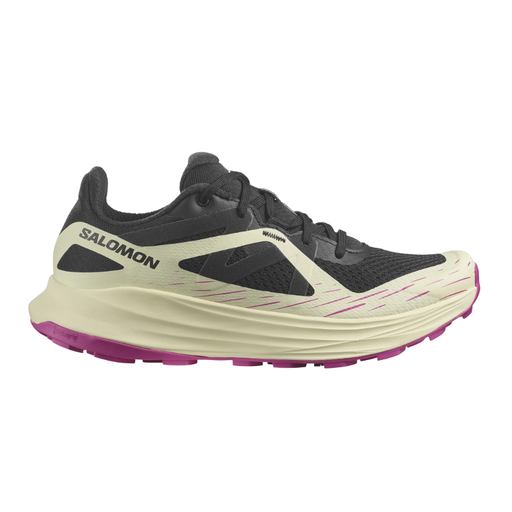
Why This Fits Their Persona: Perfect for runners transitioning from road to trail. This shoe is designed for the crossover between pavement and unpaved paths, ideal for routes that lead from residential areas into the woods.
Its mixed-terrain outsole avoids the pitfall of being too specialised. It provides grip on trails without feeling uncomfortable on harder surfaces.
The soft cushioning and higher stack height offer ample comfort and shock absorption, which is great for novice trail runners. The plush upper ensures a comfortable fit.
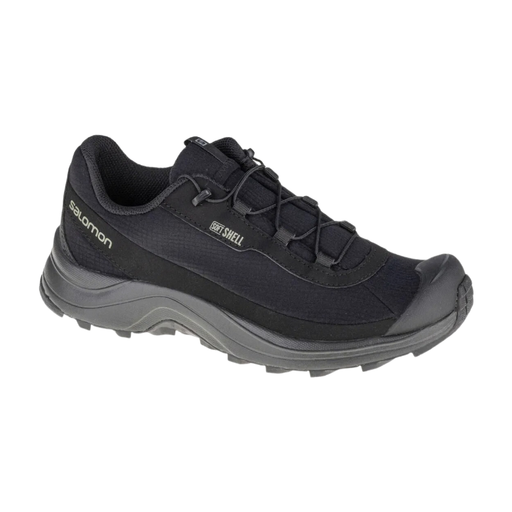
Why This Fits Their Persona: For the experienced runner who doesn't shy away from challenging, technical routes. This shoe, a top choice among Salomon men's running shoes, is built for performance, stability, and protection in demanding environments.
The All Terrain Contagrip outsole is specifically designed for grip on rocky and muddy paths, avoiding the pitfall of insufficient traction on technical terrain.
The combination of a responsive EnergyFOAM midsole and SensiFit technology provides a stable yet dynamic running experience. The reinforced toe cap offers essential protection.
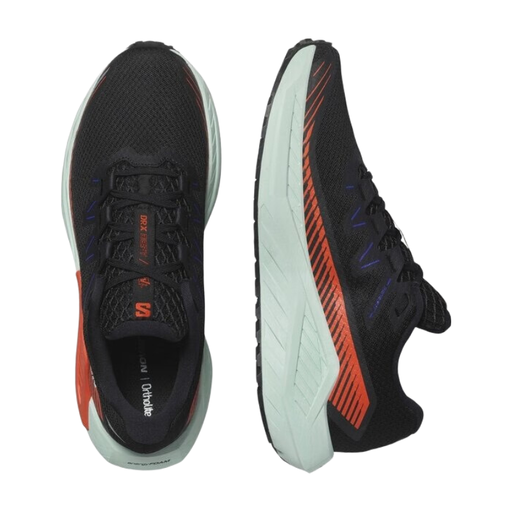
Why This Fits Their Persona: Specifically designed for women seeking comfort and performance on gravel running shoes and varied terrain. Ideal for long-distance runs on forest paths and shell-paved trails.
This shoe bypasses the cushioning pitfall. Its EnergyFOAM midsole provides superior cushioning for comfort but remains responsive enough for an efficient stride on harder surfaces.
The combination of an All Terrain Contagrip outsole and a breathable upper makes this a reliable all-rounder. The SensiFit technology ensures a snug fit, specifically tailored for Salomon women's running shoes.
We have compiled a complete, up-to-date list of products that fully meet these strict selection criteria and local regulations.
The lifespan of a trail running shoe depends heavily on the terrain, your weight, and your running style. Generally, you can expect them to last between 500 and 800 kilometres. While outsole wear is often easy to spot, pay close attention to the midsole's cushioning. If the shoe feels stiff or less resilient, it's likely time for a new pair.
Yes, many models are excellent for hiking, particularly on unpaved trails. They offer significantly more grip, stability, and protection than regular athletic shoes. However, for multi-day treks with a heavy backpack, a dedicated, higher-cut hiking boot is often a better choice for its added ankle support.
The primary difference is the fit (or "last"). Women's models are typically built on a narrower last, especially around the heel and forefoot, to accommodate the anatomy of the female foot. This ensures a more secure fit and prevents the foot from sliding inside the shoe. Additionally, the colourways often differ.
