
Vandaag of morgen in huis

Kwaliteit gegarandeerd

Welkomstaanbiedingen ontgrendelen: GRATIS bezorging | Tot 80% korting | Gratis 30 dagen JoyPlus-proefperiode
Download de app
Wet woodland paths, muddy hills and changeable weather call for more than just a sporty look. When choosing Salomon trail running shoes, the main things to consider are grip, protection, fit and the terrain you run on. A pair that feels comfortable on a dry cycle path may be less suitable on wet clay or loose stones.
The product recommendations below are based on verifiable specifications in the available product descriptions. This makes it easier to see which shoes suit your needs, without relying solely on marketing terms.
A GORE-TEX membrane can help keep rain and splashes out. However, a waterproof shoe does not mean your feet will stay dry in all conditions. Water can get in through the opening, and a high-cut waterproof membrane generally breathes differently from a fully open mesh upper.
So also consider the shoe’s height, tongue construction and intended use. A low-cut shoe may be enough for short runs through wet grass. For cold, wet walks or deep mud, a mid-cut model may offer more protection.
Deep lugs are useful on soft, muddy ground. On tarmac, hard forest tracks or slippery stones, they may feel less flexible underfoot and wear out more quickly. Contagrip TA is linked in product descriptions to grip on soft and wet terrain, while other Contagrip outsoles are designed for a wider mix of surfaces.
So match the tread to your route. If you mainly run in Dutch woodland, grip on mud and wet leaves is usually useful. If you also cover a lot of paved ground, look for a balance between traction and comfort.
A lacing system such as Quicklace can wrap evenly around your foot, but it is not the same as ankle support. If you want extra stability on uneven terrain, consider Salomon GTX shoes with a mid-cut design, such as the X Ultra 4 Mid GTX or Speedcross Peak GTX.
A higher cuff can restrict movement slightly. This may be useful when walking with a rucksack, but less ideal for fast trail runs, where a low-cut, flexible shoe may be a better fit.
Don’t just look at the outsole’s name. Pay attention to:
According to the product descriptions, several Speedcross models have an aggressive Contagrip tread for soft or technical trails. The XA Pro 3D v9 GTX, by contrast, is described as having a 3D Advanced Chassis for extra stability on technical terrain.
A waterproof trail running shoe is particularly useful in the rain, on wet grass and on muddy paths. Check that the product information specifically mentions a GORE-TEX membrane. A standard water-repellent outer layer does not offer the same protection as a full membrane.
Bear in mind the trade-off: waterproof shoes can feel warmer in hot weather. For dry summer days, a breathable mesh model may be more practical. For autumn, winter and wet walking routes, waterproof trail running shoes or walking boots with Gore-Tex make more sense.
Fit is personal, so always check the size guide and measure your feet at the end of the day, when they are often slightly larger. Look for:
Women’s models often have a specific last and support. If you’re looking for women’s trail running shoes, compare more than just the colour or size; check the fit description too. The same applies to men’s trail running shoes: if you have wider feet, you may need a different model or a larger size.
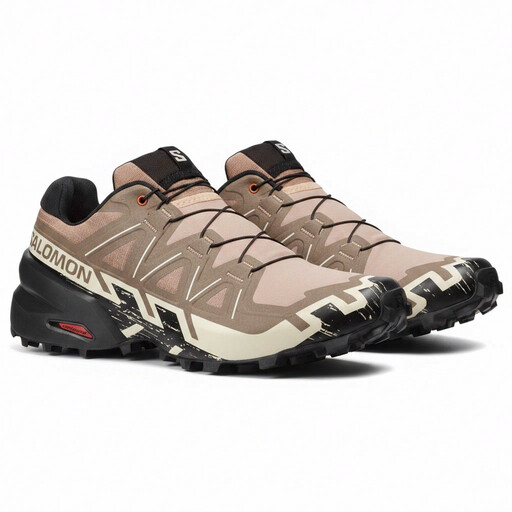
Why it suits this use: A low-cut model for anyone keen to try trail running who mainly wants grip and a lightweight construction on technical paths.
The product description doesn’t mention a GORE-TEX construction, making it clear that this model is focused on grip and freedom of movement rather than full waterproofing.
Lightweight mesh and textile upper, SensiFit system and aggressive Contagrip outsole, according to the product information.
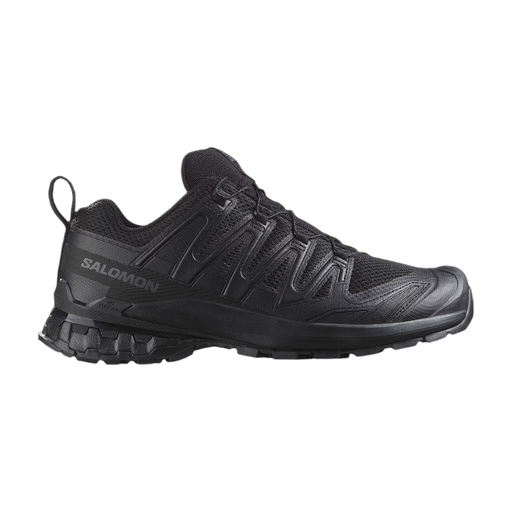
Why it suits this use: For runners and walkers looking for a combination of waterproof protection, stability and protection on rocky routes.
The choice isn’t based on the GORE-TEX membrane alone; the product information also mentions a 3D Advanced Chassis, reinforced toe and reinforced heel.
GORE-TEX lining, Contagrip outsole, Quicklace and a stability construction, according to the product description.
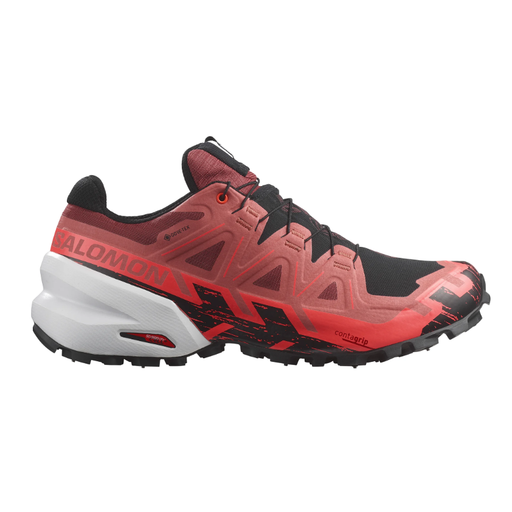
Why it suits this use: For winter routes with snow or ice, where standard outdoor shoes with good grip may not be enough.
Its intended use is clearly defined: according to the product information, this model has 12 tungsten carbide spikes and a full GORE-TEX layer for winter conditions.
12 metal spikes, waterproof GORE-TEX construction and a Speedcross fit, according to the product description.
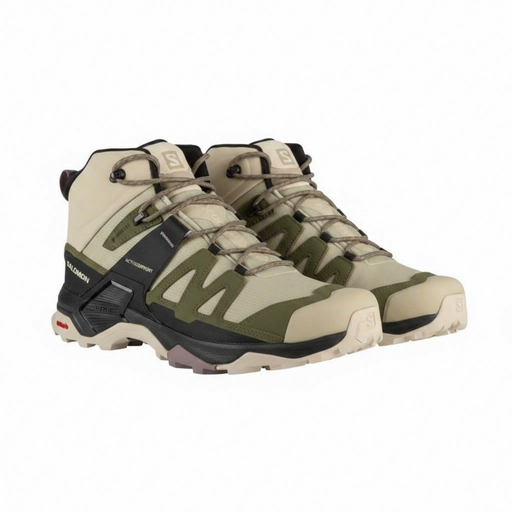
Why it suits this use: A mid-cut walking shoe for long walks, uneven paths and use with a light rucksack.
The shoe isn’t described as waterproof alone; the product information also mentions a mid-cut design, Contagrip MA outsole and EnergyCell cushioning.
GORE-TEX membrane, higher cuff, EnergyCell midsole and grip on wet and dry ground, according to the product description.
We’ve put together a complete, up-to-date list of products that meet these strict selection criteria and the applicable European safety regulations.
Let the mud dry first, then brush it off gently. Clean your shoes according to the label or product instructions. Many models shouldn’t be put in the washing machine, as heat and harsh cleaning can damage the glue, lining or waterproof layer.
Don’t keep wearing trail running shoes once the outsole, cushioning and fit have reached the end of their useful life. Clearly worn tread, uneven wear or a permanently compressed midsole are signs that it’s time for a replacement. Lifespan depends on your body weight, terrain, how often you run and how well you care for your shoes.
They can be, particularly if you often walk on wet paths. A GORE-TEX model is designed to provide waterproof protection, but may feel warmer than a breathable shoe without a membrane. Choose a mid-cut model if ankle support matters more to you than low weight.
Look for an outsole with deep, well-defined lugs and a description that mentions soft or muddy ground. According to the product information, Speedcross models are associated with aggressive grip on soft and technical terrain. Also check whether you need waterproofing.
Measure both feet while wearing socks, compare the longer foot with the size guide and leave a little room around the toes. If possible, try the shoes on with the socks you’ll wear when running or walking. A secure heel and a toe box that doesn’t feel tight are more important than the number on the shoe.
