
Vandaag of morgen in huis

Kwaliteit gegarandeerd

Welkomstaanbiedingen ontgrendelen: GRATIS bezorging | Tot 80% korting | Gratis 30 dagen JoyPlus-proefperiode
Download de app
Wet woodland paths, muddy dunes and slippery roots demand more from your shoes than an ordinary walk on tarmac. When looking for Salomon trail running shoes, shoppers often compare grip, waterproofing and comfort. However, appealing product claims can still lead to a disappointing purchase.
The main pitfalls:
Consider the type of terrain you usually run on. An outsole with aggressive, deeper lugs is practical on soft woodland ground, mud and loose surfaces. For mixed routes combining tarmac, gravel and woodland paths, a less pronounced tread is often more versatile.
When choosing shoes with good grip, look not only at the name of the rubber compound, but also at:
The product information for various Salomon models mentions Contagrip outsoles for different types of terrain. This provides an indication, but actual suitability depends on your route, pace and surface.
Trail running shoes with GORE-TEX are designed for wet conditions. According to Salomon’s product descriptions, the GTX models mentioned contain a GORE-TEX membrane that combines protection against moisture with a degree of breathability. This is useful in rain, wet grass and muddy conditions.
Bear in mind the difference between:
For dry summer routes, a non-GTX model may offer more comfortable ventilation. For autumn, winter and changeable weather, waterproof trail running shoes are a logical choice.
A good fit prevents your foot from sliding forwards on descents. When trying shoes on, allow for walking socks or thicker winter socks. There should be enough room to move your toes, while the heel remains securely in place.
Also check:
A low-cut trail runner is lightweight and agile. Hiking shoes or trekking shoes with a higher collar generally offer more coverage and support, but often feel heavier. Choose according to how you will use them, not just how they look.
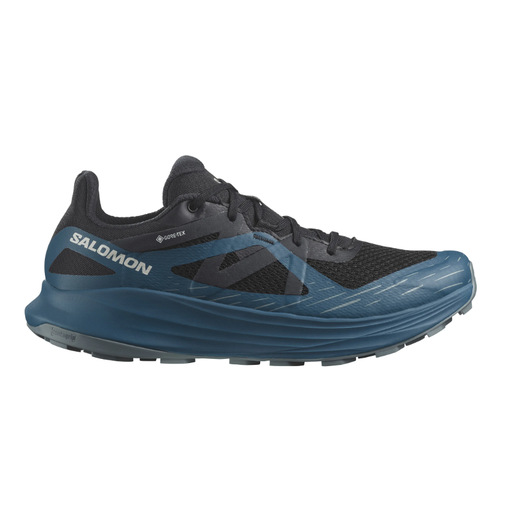
Why it suits this profile: The combination of GORE-TEX and a Contagrip outsole is suitable for beginners who switch between roads, gravel and light trails.
The versatile tread stops you from immediately choosing a highly aggressive mud outsole for routes with lots of tarmac.
GORE-TEX membrane, enhanced cushioning and an outsole for road and trail use according to the product description.

Why it suits this profile: This model is designed for users who prioritise stability and protection on technical trails with stones, roots and changes in elevation.
The 3D Advanced Chassis construction and reinforced toe and heel focus on support and protection, rather than just an eye-catching tread.
GORE-TEX, Contagrip, Quicklace and a stability chassis are listed in the product specifications.
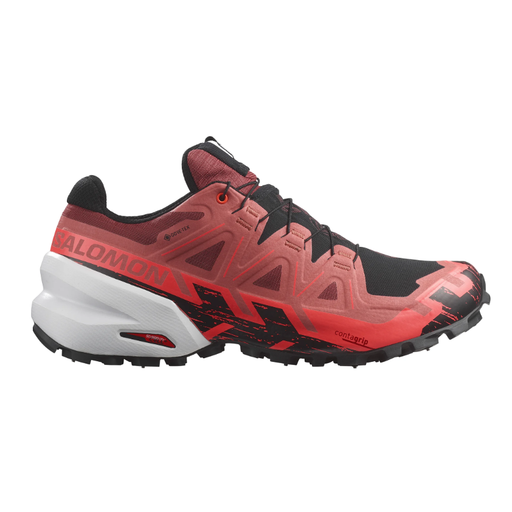
Why it suits this profile: This model is intended for winter trails, snow and conditions where standard lugs do not provide enough traction.
The 12 tungsten spikes are specifically listed for grip on snow and ice, so you will not confuse this model with a standard trail outsole.
Full GORE-TEX protection according to the product information, plus an outsole with 12 tungsten spikes.
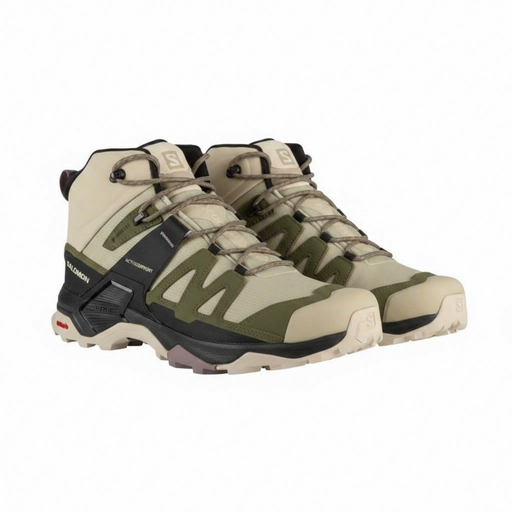
Why it suits this profile: The mid-cut design is suited to long walks, hiking and trekking where additional ankle coverage is preferred.
The higher collar and EnergyCell midsole make it clear that this is a walking model, not a lightweight racing shoe.
GORE-TEX, Contagrip MA and a mid-cut design offering support on uneven paths.
We have put together a complete, up-to-date list of products that fully meet these strict selection criteria and the applicable European safety regulations.
That depends on the model. Low-cut models with a lightweight outsole are practical for short walks and mixed routes. For long hikes with a backpack, a model from the X Ultra range, for example with a mid-cut collar, may offer more coverage and support.
Lifespan depends on the surface, body weight, running style, care and frequency of use. Regularly check whether the lugs have worn down, the midsole has become permanently compressed or the heel structure has deformed. A clean shoe that dries naturally will generally retain its properties for longer than one placed on a radiator.
For rain, wet paths and light snow, winter trail running shoes with GORE-TEX can provide additional protection. On ice, a standard rubber outsole is not always sufficient. According to the product information, a model with spikes, such as the Spikecross 6 GTX, is specifically designed for snow and ice. Also check that there is enough room for the socks you plan to wear in cold weather.
The Salomon Speedcross 6 GTX is primarily designed for trail running and soft, muddy or technical terrain. The Salomon X Ultra 4 GTX is more focused on walking and hiking, with models that offer additional ankle coverage and stability. So consider your activity first, then look at colour or price.
