
Vandaag of morgen in huis

Kwaliteit gegarandeerd

Welkomstaanbiedingen ontgrendelen: GRATIS bezorging | Tot 80% korting | Gratis 30 dagen JoyPlus-proefperiode
Download de app
Whether you're running through dunes, exploring forest paths, or tackling gravel trails, the right shoes are essential. Finding the perfect balance of grip, comfort, and stability can be a challenge, especially with the vast range of Salomon trail running shoes available. This guide is here to help. We'll highlight several popular models and provide practical tips, so you can make an informed choice that suits your running style and the terrain you frequent.
Before we dive into specific models, here are a few key factors to consider. These will help you determine which type of shoe is the best fit for you.
Not all trails are created equal. Do you primarily run on hard-packed sand and gravel paths, or do you seek out muddy forest trails? The outsole pattern (the 'lugs') is designed specifically for these conditions.
The amount of cushioning impacts how the shoe feels, especially over longer distances. Highly cushioned trail shoes often feature a thicker midsole (a higher 'stack height') that effectively absorbs shock. This can reduce fatigue in your feet and joints. In contrast, shoes with less cushioning provide more ground feel, which some runners prefer for technical control.
Are you a runner who splits time between paved roads and unpaved paths? If so, road-to-trail shoes are an excellent option. These hybrid models combine the cushioning and comfort of a traditional running shoe with the grip and protection of a trail shoe. They are perfect for routes that start in the city and extend into a park or forest.
Based on specifications and intended use, we've selected a few Salomon running shoes that excel in different scenarios.
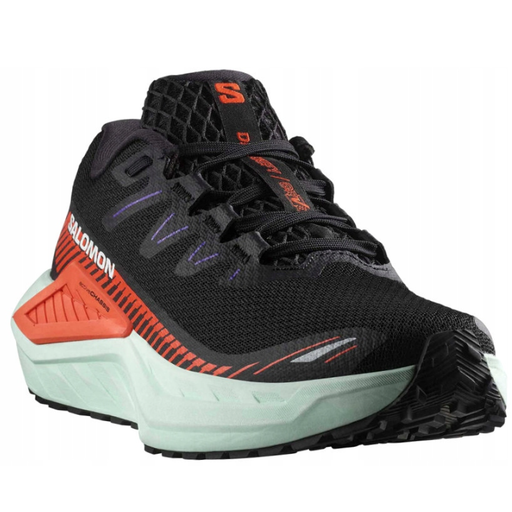
Why This Model Stands Out: The DRX DEFY GRVL is specifically engineered for stability on varied surfaces like gravel. The shoe utilises Active Chassis technology, which Salomon claims provides advanced support and control. This makes it a reliable choice for runners who need extra stability.
Pros:
Who Is This Shoe For? For the runner who frequently tackles gravel paths or a mix of unpaved roads and values stability and control without sacrificing comfort. A great option for those looking for robust, all-around men's trail shoes.
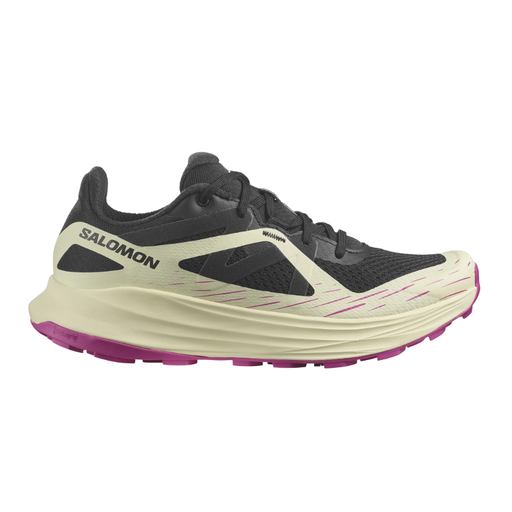
Why This Model Stands Out: The Ultra Flow is a prime example of a road-to-trail shoe. It's built for a smooth transition from pavement to forest path. The focus is on plush cushioning and comfort, with a higher stack height that excels at absorbing impact.
Pros:
Who Is This Shoe For? For runners who love to vary their routes between paved and unpaved surfaces. If you're looking for a single shoe that's comfortable on the sidewalk yet offers enough grip for a lap through the park or woods, this is an excellent choice.
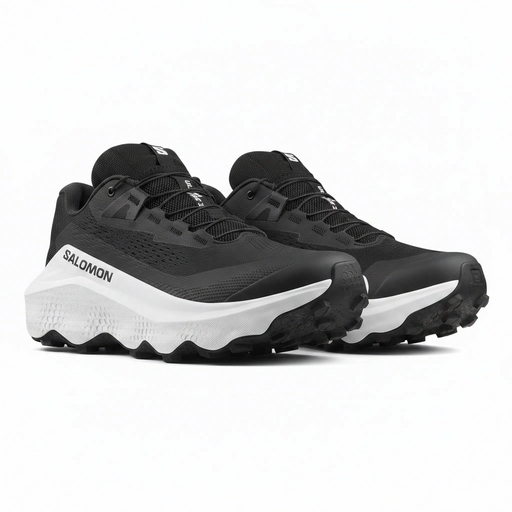
Why This Model Stands Out: The Ultra Glide 3 is engineered for maximum comfort on long-distance trails. This model is lightweight and features an Energy Foam midsole, which the manufacturer claims delivers excellent cushioning and energy return. This helps to combat fatigue.
Pros:
Who Is This Shoe For? For the long-distance trail runner who prioritises comfort and cushioning. The shoe is versatile enough for various types of trails, from well-maintained paths to more technical terrain.
These three models provide a good overview of what Salomon has to offer, but the right choice is highly personal. You might be looking for a shoe with a specific feature or a standout look that motivates you to get outside.
For instance, are you specifically searching for a model with a fresh, energetic aesthetic? Check out our selection of bright yellow running shoes for more options.
Yes, many Salomon trail running shoes are also popular with hikers. They are lightweight, offer excellent grip, and provide sufficient support for day hikes. However, for multi-day treks with a heavy backpack, a dedicated hiking boot with more ankle support may be a better choice.
This is a common question. The Speedcross is designed for maximum grip in soft, muddy conditions, featuring deep, aggressive lugs. The Ultra Glide, as described above, focuses more on comfort and cushioning for long distances on more mixed and less extreme terrain. The choice, therefore, heavily depends on the surface you run on most often.
Salomon shoes are known to sometimes have a narrower fit. It's advisable to consult Salomon's official size chart and read user reviews about the fit of a specific model. Ensure you have about a thumb's width of space at your toes to run comfortably, especially on downhills.
