
Vandaag of morgen in huis

Kwaliteit gegarandeerd

Welkomstaanbiedingen ontgrendelen: GRATIS bezorging | Tot 80% korting | Gratis 30 dagen JoyPlus-proefperiode
Download de app
From muddy forest paths to sandy coastal dunes, the landscape for trail runners can be surprisingly varied. The right shoes are not a luxury, but a necessity. Salomon is a name you'll often encounter, but with so many models, the choice can be overwhelming.
As a Joybuy Product Recommendation Officer, my job is to help you navigate the specifications. This guide is not a collection of marketing jargon, but a practical overview based on product features, so you can make an informed decision that suits your running style and the trails you want to explore.
Before we look at specific models, here are a few key points to help you find the right shoe.
Not all trails are created equal. Do you primarily run on soft forest paths, or do you seek the challenge of trail running shoes for technical terrain with rocks and roots? The outsole is crucial here. Salomon often uses its proprietary All Terrain Contagrip sole, designed for grip on both wet and dry surfaces. Pay attention to the depth and pattern of the lugs: deeper lugs are better for mud, while a wider pattern offers more stability on rocky paths.
There is often a trade-off here. Cushioned trail shoes offer great comfort during long distances on relatively flat trails. They absorb impact and reduce the strain on your joints. Shoes that focus on stability often have a firmer chassis and a stiffer sole. This gives you more control and protection on uneven, unpredictable terrain, where your feet need all the support they can get.
For runners in wet climates, choosing waterproof trail running shoes is tempting. Models with a Salomon GORE-TEX (GTX) membrane keep your feet dry during a run through wet grass or an unexpected downpour. The downside is that they are less breathable, which can lead to warmer feet in the summer. Non-waterproof shoes are more breathable and dry faster once they get wet. The choice depends on when and where you run most often.
Based on their specifications and intended use, we have highlighted a few popular choices for women's trail shoes and men's.
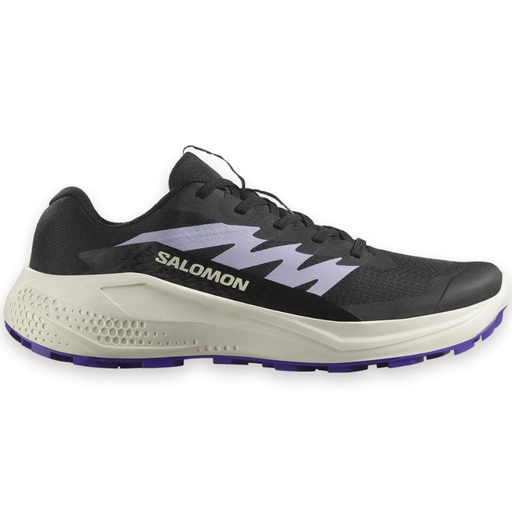
Why This Model Stands Out The Salomon Alphaglide is designed with comfort as a priority. The shoe combines a balanced midsole for cushioning with a fit that securely envelops the foot. This makes it a versatile choice for runners seeking comfort on various types of terrain.
Advantages
Who Is It For? For the trail runner looking for an all-around shoe with a focus on comfort and cushioning. Ideal for training on mixed terrain that is not extremely technical.
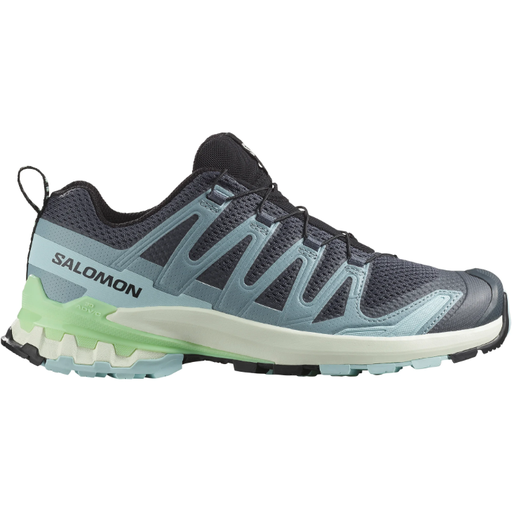
Why This Model Stands Out The Salomon XA Pro 3D v9 is an icon in the trail running world, known for its robustness and stability. This shoe is built like a tank for your feet, offering protection and support on the most challenging trails.
Advantages
Who Is It For? For the serious trail runner or hiker who regularly tackles technical terrain. If stability and protection are more important to you than maximum cushioning, this is a very solid choice.

Why This Model Stands Out This model takes all the strengths of the XA Pro 3D v9 and adds a key element: a GORE-TEX membrane. This makes the shoe completely waterproof without sacrificing much of its supportive properties.
Advantages
Who Is It For? For the four-season runner and hiker. If you aren't deterred by rain, puddles, or mud, these waterproof trail running shoes provide the protection you need.
The world of trail shoes is vast and personal. You might be looking for a different type of cushioning, a lighter shoe, or a model for a specific running style. Every foot and every runner is unique.
If the recommendations above aren't exactly what you're looking for, that's no problem at all. There are many more models that might better suit your needs.
? Check out our full range of women's hiking trainers for more choices.
Salomon shoes are known for having a somewhat narrow to regular fit, especially in the heel and midfoot. However, some models are available in a "Wide" version. It is always advisable to check the fit or read reviews from other users with wide feet.
To preserve the waterproof and breathable properties of the GORE-TEX membrane, proper maintenance is important. After a muddy run, clean the shoes with a soft brush and lukewarm water. Let them air dry, away from direct heat sources like a radiator. Do not use detergent, as this can clog the pores of the membrane.
The three main differences are grip, protection, and stability. Trail running shoes have an outsole with a more aggressive tread for grip on unpaved paths. They often have a reinforced toe cap and sides to protect your feet from rocks and branches. Finally, they are generally built to be stiffer and more stable to support you on uneven terrain.
