
Vandaag of morgen in huis

Kwaliteit gegarandeerd

Welkomstaanbiedingen ontgrendelen: GRATIS bezorging | Tot 80% korting | Gratis 30 dagen JoyPlus-proefperiode
Download de app
Choosing the right trail running shoes can be a challenge. Whether you're exploring sandy dunes, running through forests, or tackling a muddy path, your shoes are your most important piece of gear. They must provide grip, comfort, and protection. In this article, we'll help you navigate the specifications of popular Salomon trail running shoes, so you can make an informed decision that suits your running style and the terrains you plan to conquer.
Before we dive into specific models, here are a few key factors to consider. These will help you better understand the product features.
One of the most crucial features of a trail shoe is its outsole. On uneven terrain, you need reliable grip. Salomon uses its proprietary Salomon Contagrip technology for this. This isn't standard rubber; it's a specific compound and lug pattern designed for different surfaces. For example, an All Terrain Contagrip outsole is versatile for both wet and dry paths, while other variants have deeper lugs for maximum traction in mud or on loose ground.
Long distances or hard surfaces demand good shock absorption. Cushioned trail shoes help reduce the impact on your joints. Salomon often integrates materials like Energy Foam into the midsole. This foam is designed not only to absorb shock but also to provide energy return with every step. The amount of cushioning you need depends on your personal preference and the distances you run.
A proper fit is essential to prevent blisters and discomfort. There are clear differences between Salomon men's trail shoes and Salomon women's trail shoes. Women's models are typically built on a narrower last and take into account the anatomical differences of the foot. When choosing, look for technologies like SensiFit, which envelops the foot for a precise and secure fit.
Below is an overview of three models with different features, suitable for various types of trail runners and outdoor enthusiasts.
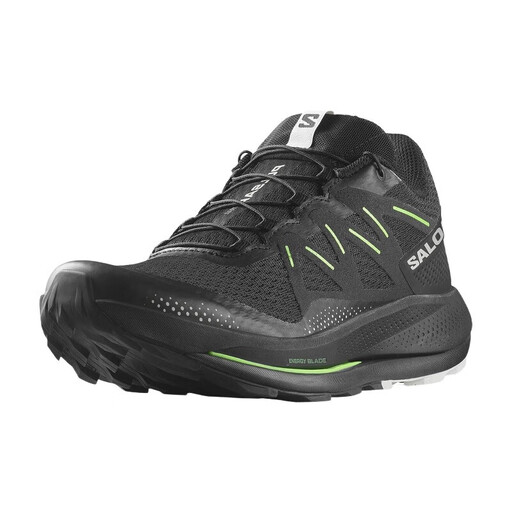
Why This Model Stands Out The Pulsar Trail is designed for runners seeking a blend of comfort and performance. The core of this shoe is the Energy Foam midsole, which Salomon claims provides responsive cushioning. This helps reduce fatigue and promotes a smooth running style.
Pros
Who is this shoe for? This model is a great choice for men who train regularly on varied trails and want a shoe that is both comfortable for daily runs and performance-oriented enough for longer adventures.
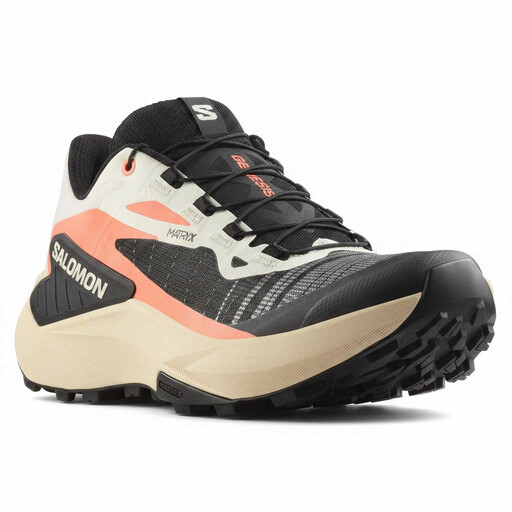
Why This Model Stands Out The Genesis W is specifically designed for women who don't shy away from challenging, technical paths. The Matryx upper is a standout feature; this material is known for its durability and support, without sacrificing breathability.
Pros
Who is this shoe for? This women's shoe is ideal for trail runners who train two to three times a week and need a reliable, robust shoe for technical trails where grip and foot protection are a priority.
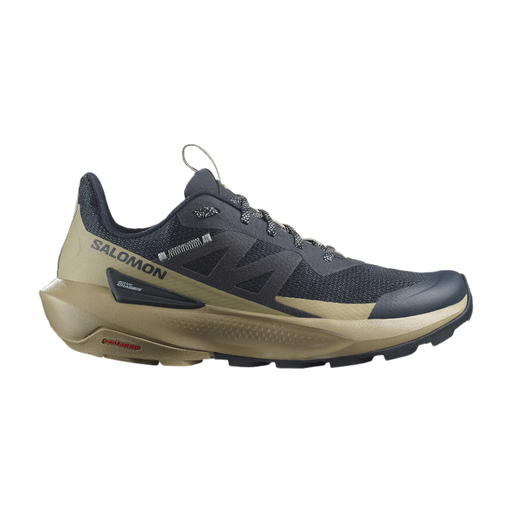
Why This Model Stands Out The Elixir Active is a versatile shoe that blurs the line between running and hiking. The All Terrain Contagrip outsole makes it suitable for virtually any surface, wet or dry. This makes it an excellent all-terrain shoe.
Pros
Who is this shoe for? This model is perfect for the active individual looking for one pair of shoes for various outdoor activities. Whether you're doing a light trail run, a brisk hike, or just want a comfortable and supportive shoe for daily use.
Good shoes are the foundation, but a comfortable and safe outdoor experience requires more. Protecting yourself from the elements is just as important for your eyes as it is for your feet. Bright sunlight, wind, or flying debris can impair your vision. A good pair of sunglasses is therefore an essential accessory.
For those who want to optimize their vision during sports, there are specific solutions. Check out our selection of prescription designer sunglasses to complete your gear.
Yes, many Salomon trail running shoes are also very well-suited as Salomon hiking shoes. Models with good cushioning and a stable, versatile outsole, like the Elixir Active, provide the comfort and support you need for long walks on unpaved paths.
The main difference lies in three areas: grip, durability, and protection. Outdoor running shoes have an outsole with deeper, more aggressive lugs for traction on dirt, mud, and rocks. The upper is often reinforced to better withstand stones and branches. Finally, they offer more stability to support the foot on uneven terrain.
It is generally recommended to buy trail shoes about a half size larger than your normal shoe size. Your feet can swell slightly while running. This also gives your toes enough room when running downhill. Always check the size chart for the specific model and consider the thickness of the socks you'll be wearing.
