
Vandaag of morgen in huis

Kwaliteit gegarandeerd

Welkomstaanbiedingen ontgrendelen: GRATIS bezorging | Tot 80% korting | Gratis 30 dagen JoyPlus-proefperiode
Download de app
Whether you're running through dunes, exploring forest paths, or tackling muddy hills, the right footwear is crucial. Finding the right Salomon trail running shoes can be a challenge with so many different models. Some runners seek maximum comfort for long distances, while others need stable grip on technical terrain.
This guide is designed to help you. We'll break down the specifications of various models so you can make an informed choice that suits your running style and local trails.
Before we dive into the models, here are a few key factors to consider that will help you choose.
The outsole determines your grip. Salomon uses its Contagrip technology for this, which comes in several variations. For trails that are often soft and muddy, a sole with deep, widely spaced lugs is ideal. These provide excellent grip and shed mud efficiently. Do you often run on a mix of asphalt and forest paths? Then hybrid running shoes with a less aggressive tread are a better choice.
The weather can be unpredictable. Waterproof running shoes, often featuring a GORE-TEX (GTX) membrane, keep your feet dry during a run in the rain or through wet grass. The downside is that they are less breathable, which can lead to sweaty feet in warm weather. Consider the conditions you run in most often. For dry, summer days, a non-waterproof shoe with a breathable upper is often more comfortable.
The choice between stability and cushioning depends on the terrain and your personal preference.
Below is a selection of models, each with its own unique features.
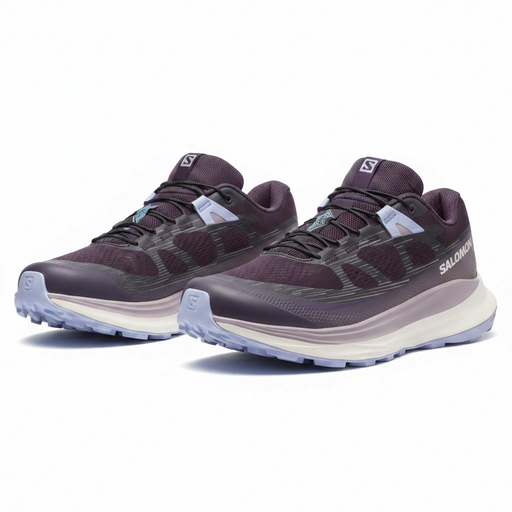
Why This Model Stands Out The Ultra Glide 2 is designed with long-distance comfort as a top priority. The combination of a lightweight design and responsive cushioning makes this shoe a popular choice for endurance runs on less technical terrain.
Product Specifications
Who Is This Shoe For? This model is ideal for female runners looking for women's Salomon running shoes that offer maximum comfort during long training sessions on forest paths, dirt roads, and gravel.
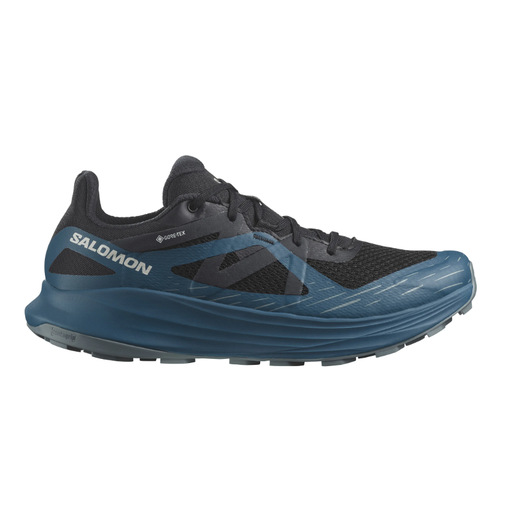
Why This Model Stands Out The Ultra Flow GTX is a true all-rounder. This hybrid shoe combines the comfort of a road shoe with the protection and grip needed for the trails. The addition of GORE-TEX makes it suitable for all weather conditions.
Product Specifications
Who Is This Shoe For? For runners who like to mix up their routes between road and unpaved trails. If you're looking for versatile, waterproof running shoes that you can use year-round, this is a strong contender.
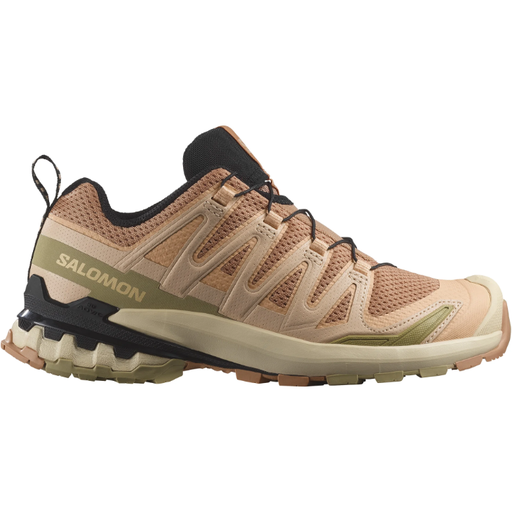
Why This Model Stands Out The XA Pro 3D v9 is an iconic shoe known for its robustness and stability. This model is built for the most challenging adventures and offers excellent protection on technical and rocky terrain.
Product Specifications
Who Is This Shoe For? For trail runners who regularly tackle technical trails and need a reliable, durable shoe that provides ample support. Ideal for adventurous runners who prioritise stability over maximum cushioning.
The models listed above are focused on running. Are you looking for shoes that are also suitable for brisk hikes or light trekking? Then check out our selection of women's fast hiking shoes for more options that offer comfort and support during various outdoor activities.
1. Are Salomon trail shoes also suitable for hiking? Yes, many models, especially the more stable ones like the XA Pro 3D, are also very suitable for hiking. They offer more grip and support than regular athletic shoes. However, for longer hiking trips with a heavy backpack, dedicated hiking boots are often a better choice.
2. What is the difference between Salomon trail running and road running shoes? The main difference lies in the outsole, stability, and protection. Trail shoes have a more aggressive tread for grip on unpaved paths. They are also built more sturdily to protect your feet from rocks and roots. Road shoes are lighter and focus more on cushioning for hard, flat surfaces.
3. How do I know if I need waterproof GORE-TEX shoes? If you often run in the rain, through wet grass, or near puddles, GORE-TEX trail shoes will keep your feet dry and comfortable. Do you primarily run in dry, warm conditions? Then a non-waterproof shoe with more breathability is likely a better choice to prevent overheating and sweaty feet.
