
Vandaag of morgen in huis

Kwaliteit gegarandeerd

Welkomstaanbiedingen ontgrendelen: GRATIS bezorging | Tot 80% korting | Gratis 30 dagen JoyPlus-proefperiode
Download de app
Whether you're running through dunes, exploring forest paths, or climbing muddy hills, the right footwear is the foundation of any great trail run. The search for the perfect shoe can be overwhelming, with countless models and specifications. As a Joybuy Product Recommendation Officer, I'm here to help you understand the features of popular Salomon trail running shoes, so you can make a choice that suits your running style and local trails.
Before we dive into specific models, it's helpful to know which features are important. Salomon offers a wide range of options, each designed with a specific purpose in mind.
The amount of cushioning determines how comfortable your shoe feels, especially over longer distances. Trail running shoes with cushioning absorb impact and reduce the stress on your joints.
The outsole is crucial for your safety and performance. The lugs on the sole determine the level of grip.
Lightweight trail shoes feel fast and agile, which is great for races or speed training. However, they often offer less protection. Shoes with more protective features, like a reinforced toe cap or a more robust upper, are heavier but better shield your feet from rocks and roots on Salomon shoes for technical trails.
Based on product specifications and their intended use, we've highlighted some interesting models for you.
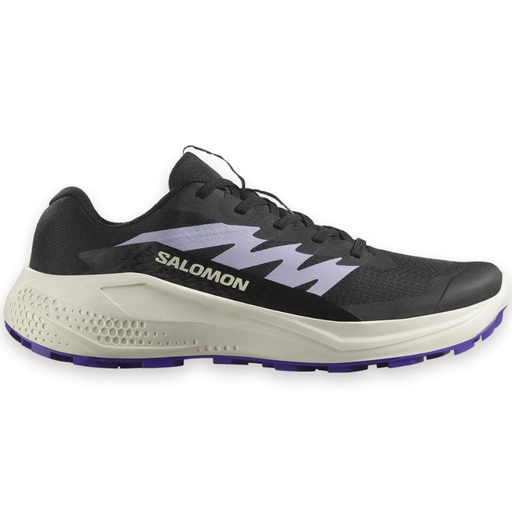
Why this model stands out: The Alphaglide is designed as a versatile all-rounder. The shoe combines balanced cushioning with a comfortable, secure fit that envelops the foot. This makes it suitable for runners who train on various types of terrain and are looking for a reliable, comfortable shoe.
Benefits:
Who is this shoe for? For the trail runner seeking a comfortable and versatile shoe for training on varied terrain, from forest paths to gentle hills. A great choice for those new to trail running or looking for a reliable training partner.
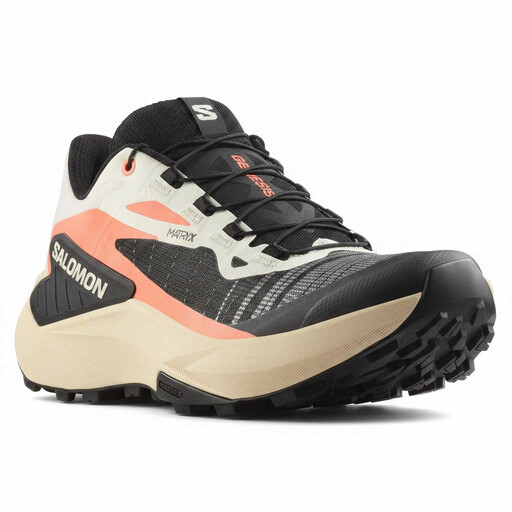
Why this model stands out: The Genesis is built for tougher conditions. Its robust Matryx upper is, according to the manufacturer, durable and abrasion-resistant, while the sole with deep lugs is designed for grip on technical and rocky trails.
Benefits:
Who is this shoe for? For the experienced trail runner who regularly tackles technical paths. If you need stability, grip, and durability for rocky or uneven terrain, the Genesis is a model to consider.
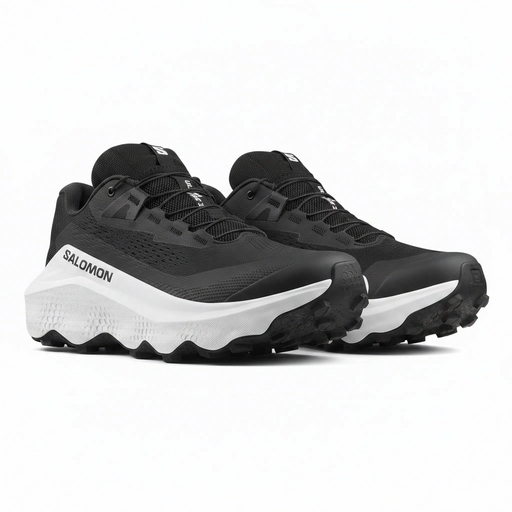
Why this model stands out: The Salomon Ultra Glide 3 is focused on maximum comfort over long distances. The shoe is remarkably lightweight for the amount of cushioning it provides, thanks to the Energy Foam midsole. This sole is designed for high energy return, which can help reduce fatigue during ultra-long runs.
Benefits:
Who is this shoe for? For the long-distance runner who prioritises comfort and cushioning above all else. Ideal for marathons, ultra-trails, or simply for runners who want extra comfort during their weekly long runs.
If your ideal shoe isn't listed here or you're curious about other styles, there are many different types of trail shoes, each with its own unique properties. For example, for runners who prefer a more direct ground feel, specific models are available.
Check out our full range of minimalist running shoes for more options.
The Salomon Genesis is primarily designed for technical, rugged trails. The focus is on grip, stability, and protection, thanks to its robust upper and deep lugs. The Salomon Ultra Glide, on the other hand, is geared towards comfort for long distances on more moderate paths. The emphasis here is on maximum cushioning and a lightweight design to combat fatigue.
Absolutely. Many models, including the Salomon Alphaglide W and Genesis W mentioned above, are specifically designed with a women's fit. These women's Salomon trail shoes take into account the anatomy of the female foot, which is often narrower in the heel and wider in the forefoot.
Proper maintenance extends the life of your shoes. After each run, knock off any mud and dirt. Use a soft brush and cold water to remove stubborn dirt. Remove the insoles and let the shoes air dry naturally. Never place them on a radiator or near any other direct heat source, as this can damage the material. For specific instructions, always consult the label inside the shoe.
