
Vandaag of morgen in huis

Kwaliteit gegarandeerd

Welkomstaanbiedingen ontgrendelen: GRATIS bezorging | Tot 80% korting | Gratis 30 dagen JoyPlus-proefperiode
Download de app
Whether you're exploring the Veluwe, planning a trail run through the Ardennes, or preparing for a multi-day trek, the right shoes are crucial. Salomon shoes are renowned for their performance, but the wide range of options can be overwhelming. A poor choice not only leads to discomfort but also to unnecessary expense. We'll help you see through the marketing hype and avoid the common pitfalls many buyers encounter.
Before you invest in a new pair, it's important to be aware of a few common missteps:
To prevent a bad purchase, it's helpful to understand three core specifications. These determine whether a shoe is suitable for your goals.
The term you'll encounter most often is Gore-Tex. A Salomon Gore-Tex shoe contains a membrane with microscopic pores. These are large enough to let water vapour (sweat) out, but too small for water droplets to get in. This ensures your feet stay dry, both from rain and perspiration.
Salomon uses its proprietary Contagrip technology for its outsoles, which are optimised for different types of terrain. This is one of the most important factors for outdoor shoes with grip.
The height of the shoe around the ankle determines the level of support.
Based on these specifications, we have matched several models to specific user profiles.
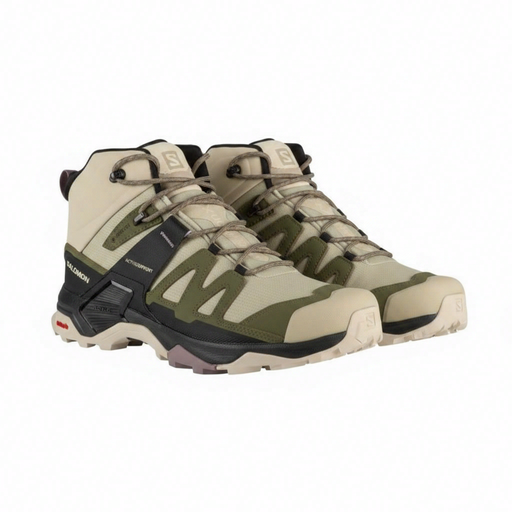
Why it's a match for this profile: This shoe is designed for hikers who tackle varied surfaces, from forest paths to hilly terrain. The mid-cut cuff provides ankle support without restricting freedom of movement, making it ideal for day hikes.
The Contagrip MA outsole is an all-rounder that prevents the "wrong grip" pitfall. Its Gore-Tex membrane provides reliable waterproofing, unlike cheaper alternatives.
Offers a great balance between support and weight. The mid-cut cuff provides stability on uneven paths, while the shoe remains light enough for all-day comfort.
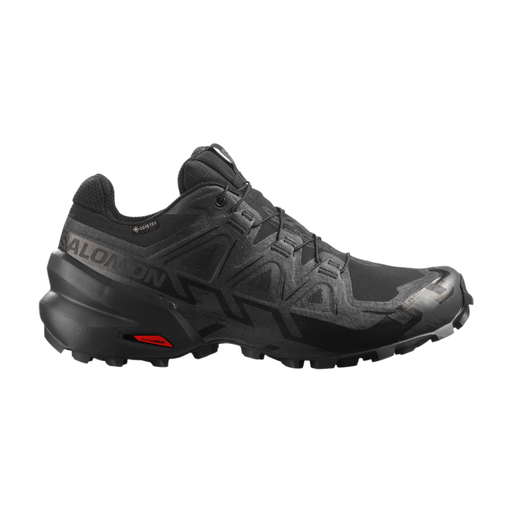
Why it's a match for this profile: This model is an icon among trail runners. It is specifically designed for maximum grip on soft, muddy, and technical trails where precision and traction are essential.
The aggressive Mud Contagrip sole is the direct solution to the "wrong grip" pitfall on soft terrain. The low-cut but snug fit provides the right support for speed without unnecessary weight.
Exceptional grip on soft surfaces. The Quicklace system ensures a fast and secure fit with a single pull, which is crucial during a run.

Why it's a match for this profile: This shoe is built for long distances with a pack. The combination of a high cuff, durable suede leather, and a supportive structure makes it ideal for serious treks.
The high collar and reinforced support directly address the "too little support" pitfall, which is essential when carrying a heavy backpack. The full-grain suede leather is significantly more durable than lighter synthetic materials.
Maximum durability and stability. The combination of leather, Gore-Tex, and a supportive chassis is engineered for reliability during multi-day adventures.
We have compiled a complete, up-to-date list of products that meet these selection criteria and current regulations.
The lifespan of Salomon shoes depends heavily on usage, terrain, and maintenance. As a general guideline, a pair of trail running shoes can last 800 to 1000 kilometres (500 to 620 miles). For hiking shoes, the lifespan is often longer and is determined more by the wear on the outsole and the cushioning in the midsole. Regularly check the tread on the outsole; if the lugs are mostly worn down, it's time for a replacement.
Salomon Gore-Tex shoes are excellent for wet and cold conditions, making them ideal for autumn, winter, and spring in many climates. However, in a hot, dry summer, they can feel too warm, as their breathability is lower than that of a non-waterproof shoe. For those who are primarily active in dry and warm weather, a model without Gore-Tex may be a more comfortable choice.
Salomon shoes can sometimes run slightly smaller or narrower than other brands. A good method is to measure your foot length in centimetres (from heel to longest toe) and compare it to Salomon's size chart. Consider the thickness of your hiking socks and ensure there is about a thumb's width of space between your toes and the front of the shoe. This prevents your toes from hitting the front during descents.
