
Vandaag of morgen in huis

Kwaliteit gegarandeerd

Welkomstaanbiedingen ontgrendelen: GRATIS bezorging | Tot 80% korting | Gratis 30 dagen JoyPlus-proefperiode
Download de app
Choosing the right Salomon running shoes can feel like navigating a maze of technologies and models. Whether you're exploring forest trails or logging miles on the asphalt, the wrong shoe can lead to discomfort and wasted money. As a Joybuy Product Recommendation Officer, I see where things go wrong every day. Let's cut through the marketing jargon and look at what you really need to pay attention to.
Before you make a choice, it's important to recognise the most common pitfalls. Many runners fall for them, resulting in uncomfortable training sessions and unnecessary expenses.
To make the right choice, it's essential to look beyond the colour and design. Focus on these three functional properties that determine if a shoe is right for you.
The outsole of your shoe is the most important link between you and the ground. The choice depends entirely on where you run.
Cushioning absorbs shock, while stability features keep your foot in place. The right balance is personal.
Your feet need different protection on a forest path than on the pavement.
Based on these specifications, we've matched some popular models with different types of runners.
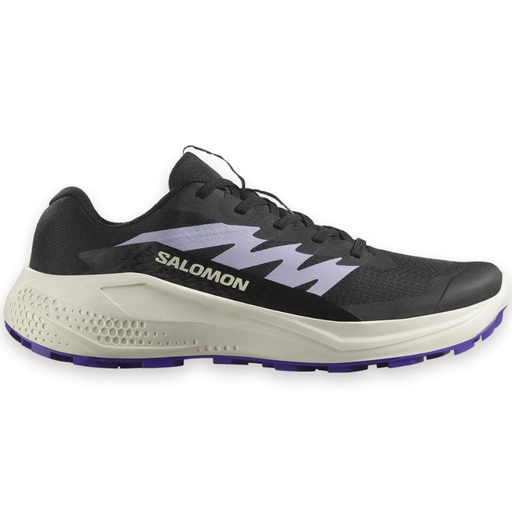
Why This Fits Their Persona: Perfect for the runner who alternates between forest paths and paved roads. This shoe offers a good balance of cushioning and grip, without being too technical or heavy for a run in the park.
This shoe avoids the "one-shoe-fits-all" trap by offering a versatile sole that performs on various terrains, without the stiffness of a pure technical trail shoe.
Balanced midsole for comfort and stability. The anti-debris mesh keeps pebbles and sand out of the shoe.
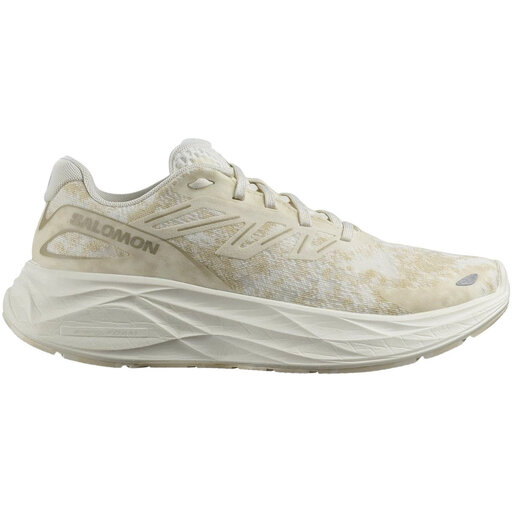
Why This Fits Their Persona: Specifically designed for runners who log their miles on hard surfaces like asphalt and pavement. Comfort and cushioning are central to absorbing the impact of every step.
This shoe avoids the pitfall of unnecessary trail features. You don't pay for an aggressive tread or extra protection that you don't need on the road. The focus is purely on comfort on hard surfaces.
Thick rubber outsole for durability and shock absorption. The upper made of high-quality materials offers comfort and a great fit.
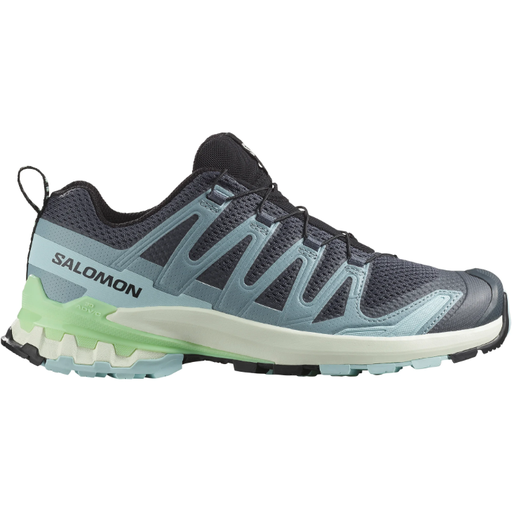
Why This Fits Their Persona: Built for runners who don't back down from a challenge. This shoe provides the stability, durability, and protection needed for technical, rocky, and mixed trails.
This model embraces its specialism. It avoids the pitfall of excessive cushioning by offering a moderate level, which ensures better control and ground feel on technical terrain.
According to Salomon, the All Terrain Contagrip outsole offers improved grip and long-lasting protection. High level of foot protection for rocky terrain.
We have compiled a complete, up-to-date list of products that meet these selection criteria and current regulations.
The lifespan of a running shoe depends on the model, your running style, your weight, and the surface. Generally, a guideline of 500 to 800 kilometres (approx. 300 to 500 miles) is used. Look for signs of wear, such as a compressed midsole or a worn-out tread. Using Salomon trail running shoes for women on asphalt can significantly shorten their lifespan.
Absolutely. Many women's trail shoes are excellent as Salomon hiking shoes for women. They offer great grip, stability, and protection, which also comes in handy during a walk in nature. Models like the Salomon XA Pro are popular with both trail runners and hikers.
Salomon shoes can sometimes run slightly smaller or narrower than you're used to. It's advisable to measure your foot length in centimetres and compare it with Salomon's size chart. Keep in mind that your feet can swell slightly during a run. Many runners therefore choose a half size larger than their normal shoe size.
