
Vandaag of morgen in huis

Kwaliteit gegarandeerd

Welkomstaanbiedingen ontgrendelen: GRATIS bezorging | Tot 80% korting | Gratis 30 dagen JoyPlus-proefperiode
Download de app
Finding the right Salomon running shoes can feel like navigating a maze of technical terms and marketing promises. Many runners fall into the same traps: choosing a shoe based on looks, an exaggerated claim, or the wrong specifications for their running style. This not only leads to discomfort but can also increase the risk of injury.
Before you make a decision, it's wise to understand the most common missteps:
all terrain shoes, perfect for both the road and the trail. While some models are versatile, a specialised trail running shoe is fundamentally different from a shoe designed for asphalt. A compromise can mean sacrificing grip, cushioning, or stability on both surfaces.To make an informed choice, it's helpful to understand three core aspects of a running shoe. These specifications determine how the shoe performs and feels while you run.
Cushioning and stability are often confused, but they serve different purposes.
Stable running shoes are crucial for runners who need extra control, particularly on technical and unpredictable terrain.The bottom of the shoe, the outsole, determines its grip. The tread pattern is specifically designed for a certain type of surface.
By determining where you run most often, you can significantly narrow down your selection and choose a shoe that offers the right traction.
Not every runner is the same. Below, we match some popular men's running shoes models to specific profiles, based on their objective features.
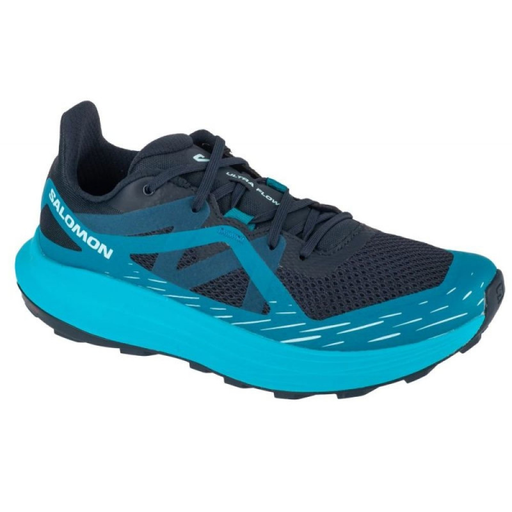
Why This Fits Their Persona: This runner likes to switch between a lap in the park and a forest trail. They are looking for a comfortable, reliable shoe without having to immediately invest in two separate pairs.
This model bypasses the "one-shoe-fits-all" myth by offering an honest compromise. The All Terrain Contagrip sole is designed for mixed terrain, and the soft cushioning works well on both hard and soft surfaces.
Versatile grip: The outsole provides confidence on both asphalt and unpaved paths.
Comfort: The soft cushioning ensures a smooth running experience, ideal for beginners.

Why This Fits Their Persona: This runner seeks challenges on rocky, muddy, and uneven trails. For them, stability, protection, and reliable grip are non-negotiable.
This model doesn't just focus on soft cushioning; it integrates the Active Chassis system. This avoids the pitfall of instability and gives the foot the necessary support for technical descents and uneven terrain.
Superior stability: The Active Chassis provides control on challenging terrain.
Durable grip: The All Terrain Contagrip sole is built for reliable traction on rocks and in mud.
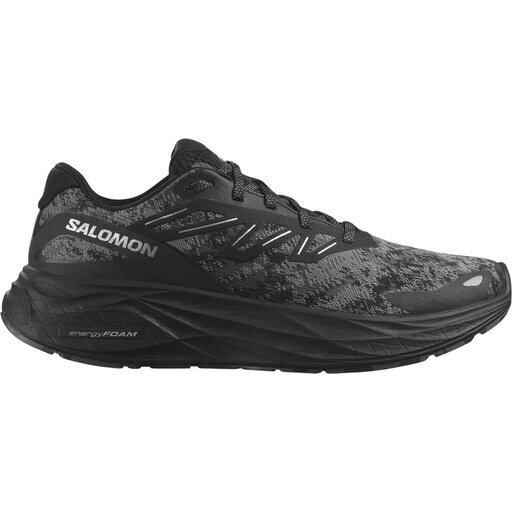
Why This Fits Their Persona: This runner trains primarily on asphalt and seeks a shoe that offers maximum cushioning and comfort for daily workouts and longer runs. Speed and efficiency on a hard surface are the priority.
This is a pure road shoe. It avoids the compromise of a hybrid model by focusing entirely on what's needed for hard surfaces: a thick, cushioned sole and a breathable upper for comfort during long sessions.
Maximum cushioning: The thick rubber sole provides excellent shock absorption on asphalt.
Breathability: The high-quality upper provides ventilation to keep feet dry.
Choosing the right shoe isn't just important for runners. The principle applies to every activity. Whether you're hitting the court for a game of indoor football with special Joma indoor court shoes or simply looking for comfortable lifestyle sneakers for daily use, like the WARRIOR Pirko Green, the fit and purpose of the shoe are always paramount.
We've compiled a complete, up-to-date list of products that meet these strict selection criteria and current regulations.
The lifespan of a running shoe depends on the running style, the runner's weight, the surface, and the frequency of use. A general guideline is that a shoe's cushioning significantly diminishes after 500 to 800 kilometres (about 300 to 500 miles). Look for signs of wear on the outsole and a less resilient feel to determine when it's time for a new pair.
A standard running sole is typically made for one type of surface, like asphalt. All Terrain Contagrip is a rubber compound and lug pattern developed by Salomon, designed to offer a balance between durability and grip on a wide range of surfaces—wet or dry, hard or loose.
Salomon offers a wide range of shoes, including many models specifically designed for runners with a neutral gait. Models like the Aero Glide 2 are a good example of this. For runners who need more support, there are stable running shoes with technologies like the Active Chassis. It is always advisable to check the product description for the specific support a shoe offers.
