Choosing the right running shoe can be a challenge. The selection is vast, and the technologies are highly specialized—especially with a brand like Salomon, known for its performance-oriented shoes for both paved roads and rugged trails. This guide is designed to help. We'll highlight the most important considerations and offer concrete recommendations based on product specifications, so you can make an informed choice that matches your running goals.
What to Consider When Choosing
Before you select a model, it's helpful to consider a few basic principles. This will help you filter the options and find the shoe that's truly right for you.
1. The Surface: Road, Trail, or Gravel?
The surface you run on is the most critical factor. Salomon running shoes can be broadly divided into two categories: for the road and for the trail.
- Road Running: Shoes for asphalt and other hard, flat surfaces focus on cushioning to reduce the impact on your joints. The outsole is relatively smooth for an efficient toe-off.
- Trail Running:Trail shoes are designed for unpaved paths. They offer more grip thanks to an aggressive tread, extra protection against rocks and roots, and a more stable platform for uneven terrain.
- Gravel: An emerging category is gravel running shoes. These hybrid models combine the cushioning of a road shoe with the grip and durability of a trail shoe, making them ideal for forest paths, gravel roads, and parks.
2. Your Running Style: Neutral or in Need of Stability?
Every foot has a unique gait cycle, also known as pronation. Most runners have a neutral gait, but some overpronate (where the foot rolls inward excessively).
- Neutral Running Shoes: These shoes provide cushioning and flexibility but do not correct the gait cycle. They are suitable for most runners.
- Stability Running Shoes: These models have built-in support, often on the medial (inner) side of the shoe, to counteract overpronation and keep the foot aligned during the gait cycle.
3. Fit for Women and Men
Salomon men's running shoes and Salomon women's running shoes differ in more than just colour. Women's models are often built on a narrower last and account for anatomical differences in the foot, such as a narrower heel and a wider forefoot. Always choose the model designed for your gender to ensure the best possible fit.
Recommended Products to Consider
Based on the criteria above, we've highlighted several popular models that appeal to different types of runners.
Salomon Aero Glide 2
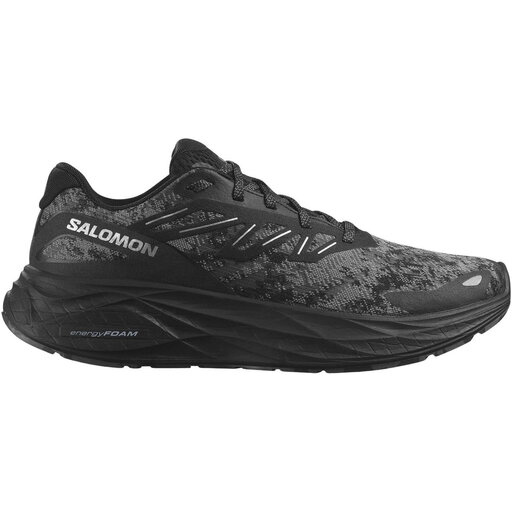
- Why It Stands Out: The Aero Glide 2 is designed for runners logging miles on hard surfaces. Its focus is on maximum cushioning and comfort, packaged in a modern, lightweight design. The thick rubber sole is built to effectively absorb the impact of running on asphalt.
- Key Features:
- Cushioning: The sole construction is engineered to provide softness and comfort with every step.
- Ventilation: The upper is crafted from high-quality material that ensures excellent airflow, helping to keep your feet dry.
- Fit: The lacing system delivers a precise and secure fit.
- Who Is It For? This is an excellent choice for the neutral runner who primarily trains on the road and is looking for a shoe for daily workouts, from short jogs to long-distance runs.
View the Salomon Aero Glide 2
Salomon DRX DEFY GRVL W
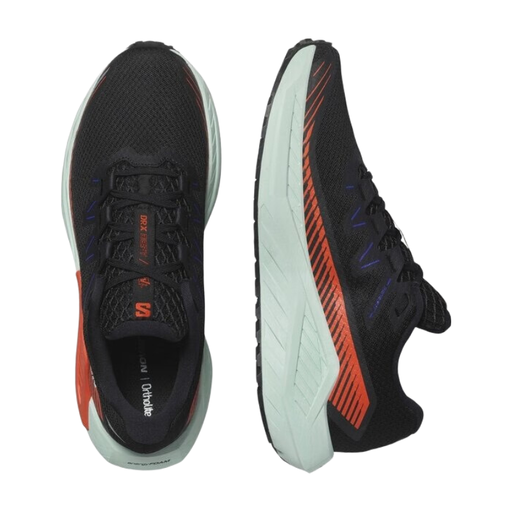
- Why It Stands Out: This model is specifically designed as a gravel running shoe for women. It combines the best of both worlds: the responsive cushioning of a road shoe and the reliable grip of a trail shoe. The All Terrain Contagrip outsole provides traction on dry, wet, and mixed surfaces.
- Key Features:
- Versatile Grip: The outsole is engineered for performance on gravel, forest paths, and stretches of asphalt.
- Responsive Cushioning: According to Salomon, the EnergyFOAM midsole provides excellent energy return and comfort over long distances.
- Women-Specific Fit: The SensiFit technology ensures a snug, personalized fit tailored to the female foot.
- Who Is It For? For the adventurous runner who enjoys varying her workouts between roads, parks, and well-maintained forest trails. An ideal all-rounder for those who don't want to choose.
View the Salomon DRX DEFY GRVL W
Salomon Genesis
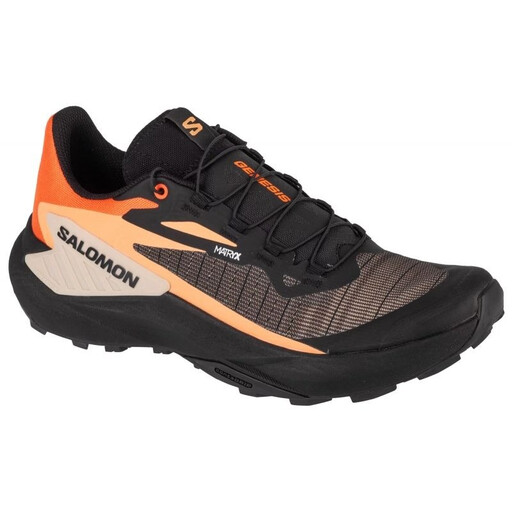
- Why It Stands Out: The Genesis is a purebred Salomon trail running shoe, built for stability and durability on technical and challenging terrain. The Active Chassis system is a key feature, designed to provide superior support and control on uneven surfaces.
- Key Features:
- Advanced Stability: The chassis offers active support, inspiring confidence on rocky or muddy trails.
- Robust Grip: The All Terrain Contagrip outsole is built for maximum traction on varied and difficult surfaces.
- Protection: The reinforced mesh upper protects the feet from debris and impacts while remaining breathable.
- Who Is It For? For the serious trail runner seeking a stability running shoe for mountain adventures and demanding trails. If you need stability, grip, and protection, this is a strong contender.
View the Salomon Genesis
Complete Your Fitness Gear
A good running routine is often part of a broader, active lifestyle. You might combine running with strength training or flexibility exercises at home. Creating a safe and professional training space requires the right equipment. For example, check out our selection of shatterproof gym mirrors to perfect your form and posture during your workouts.
Frequently Asked Questions
1. How do I know what size Salomon running shoes I need? Salomon shoes can sometimes run slightly small. A good rule of thumb is to buy your running shoes about a half to a full size larger than your regular shoe size. This gives your toes enough room, as your feet tend to swell slightly during a run. Measure your feet at the end of the day and compare the measurement to Salomon's size chart.
2. What is the main difference between Salomon trail and road shoes? The biggest difference lies in the outsole and overall construction. Trail shoes feature a deep, aggressive tread for grip on unpaved paths and offer more protection and stability. Road shoes have a flatter sole for efficiency on asphalt and focus primarily on cushioning.
3. How long do Salomon running shoes last? The lifespan of a running shoe depends on your weight, running style, and the surfaces you run on. Generally, it's recommended to replace running shoes after 600 to 800 kilometres. Watch for signs of wear, such as a worn-out tread on the outsole or a midsole that feels less cushioned.


