
Vandaag of morgen in huis

Kwaliteit gegarandeerd

Welkomstaanbiedingen ontgrendelen: GRATIS bezorging | Tot 80% korting | Gratis 30 dagen JoyPlus-proefperiode
Download de app
Choosing the right Salomon running shoes can be the difference between a comfortable run and unnecessary discomfort. The selection is vast, and you're often bombarded with marketing terms. Many runners fall into the same traps, ending up with a shoe that doesn't match their running style or terrain. This leads to premature wear and a less enjoyable running experience.
As a Joybuy Product Recommendation Officer, I see which choices pay off and which don't every day. Before you make a decision, it's helpful to know the most common mistakes:
By avoiding these pitfalls, you ensure that you invest in a shoe that truly suits your needs.
To make the right choice, it's important to understand three key specifications. These determine the performance and comfort of your Salomon shoes.
The outsole is your contact with the ground. Salomon uses its Salomon Contagrip technology for this. This isn't standard rubber, but a specially developed compound optimized for different conditions.
Unpredictable weather is a given for many runners. A Salomon Gore-Tex (GTX) membrane is a layer in the shoe that keeps water out while allowing sweat to escape.
The cushioning in the midsole absorbs the impact of running. The amount and type of cushioning depend on the surface.
Both Salomon women's running shoes and Salomon men's running shoes are designed with a specific fit that accounts for anatomical differences.
Based on these specifications, we have selected a few models that suit different types of runners.
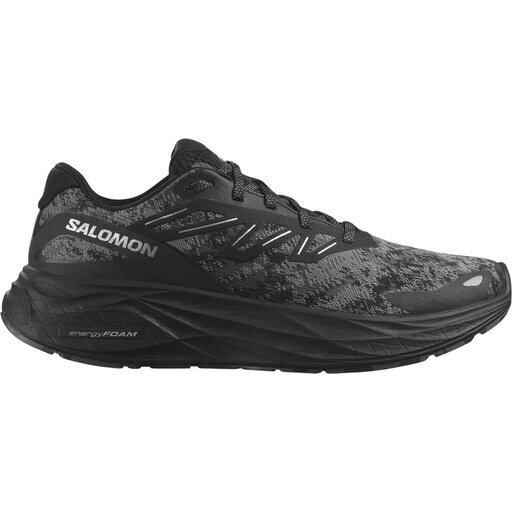
Why This Fits Their Persona: This runner primarily sticks to paved roads in the city or park. Comfort and cushioning are crucial to absorb the impact of asphalt during daily training sessions.
This model is specifically designed for road running. You aren't paying for an aggressive trail sole that you won't use and that will wear out quickly on pavement (Pitfall 1).
The thick rubber sole provides excellent cushioning and grip. The breathable upper keeps your feet comfortable, even during longer runs.
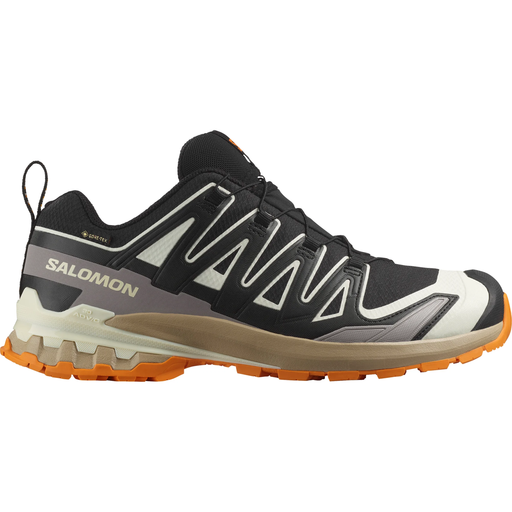
Why This Fits Their Persona: This runner doesn't shy away from a challenge and heads out in all weather conditions. Stability, grip, and dry feet are essential on technical forest trails and hills.
For this user, Gore-Tex isn't an unnecessary luxury but a functional necessity. You're paying for technology you will actually use to stay dry and comfortable (Pitfall 2).
The 3D Advanced Chassis provides stability on uneven terrain, while the Contagrip sole ensures reliable grip. The GTX membrane guarantees dry feet.
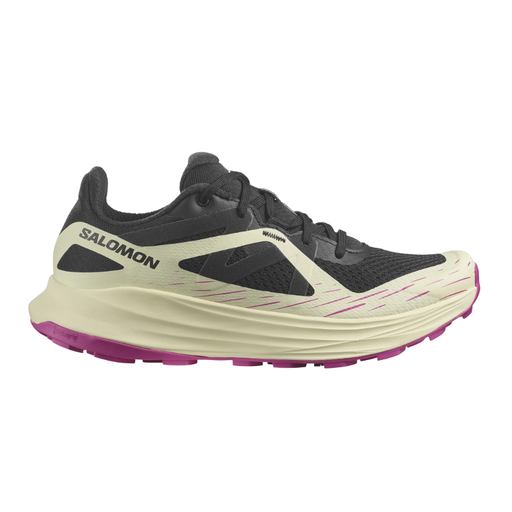
Why This Fits Their Persona: This runner likes to mix things up. Their route starts on the pavement, goes through the park, and includes a stretch of unpaved forest path. A versatile shoe that combines comfort on the road with grip on the trail is ideal.
This is a purpose-built hybrid running shoe, not a compromise. It's designed for the transition from road to trail, thus avoiding the "jack-of-all-trades" pitfall of not excelling at either (Pitfall 3).
The soft cushioning provides comfort on hard surfaces, while the mixed-terrain outsole offers sufficient grip on unpaved paths.
We have compiled a complete, up-to-date list of products that fully meet these strict selection criteria and local regulations.
The lifespan of running shoes is typically measured in kilometers. On average, Salomon shoes last between 500 and 800 kilometers. This is highly dependent on the surface, your running style, and your weight. For example, a trail shoe used on asphalt will wear out faster than when used on soft forest trails.
Salomon Contagrip is a collective name for various rubber compounds, each optimized for a specific surface. For instance, a shoe with Mud Contagrip offers exceptional traction in mud, while an All Terrain Contagrip sole provides balanced grip on varied surfaces. The technology is therefore designed to deliver reliable grip for its intended use.
Absolutely. Many trail running shoes, especially the more stable models like the Salomon XA Pro series, are also very suitable for hiking. They offer excellent support, protection, and grip on uneven terrain, making them a versatile choice for various outdoor activities.
