
Vandaag of morgen in huis

Kwaliteit gegarandeerd

Welkomstaanbiedingen ontgrendelen: GRATIS bezorging | Tot 80% korting | Gratis 30 dagen JoyPlus-proefperiode
Download de app
Choosing the right running shoe can be a challenge, especially with a brand like Salomon, known for its technological innovations and extensive range. Whether you're tackling muddy trails, pounding the pavement for miles, or looking for a shoe that can do both, there's a Salomon shoe for you. But which one is it?
As a Joybuy Product Recommendation Officer, I'm here to guide you. In this article, we'll cut through the marketing noise and focus on what really matters: the specifications and who each shoe is designed for. This will help you make an informed decision that aligns with your running goals.
Before we dive into the models, here are a few practical considerations to help you find the right shoe.
The most important question is: where will you be running? Salomon makes a clear distinction:
The amount of cushioning you need is a personal preference. Do you run long distances? Then extra cushioned running shoes are often desirable to reduce the stress on your joints. Salomon uses materials like EnergyFOAM, which the brand claims provides responsive and durable cushioning. For shorter, faster workouts, some runners prefer a more direct ground feel and therefore less cushioning.
A proper fit is crucial to prevent injuries and discomfort. Many brands, including Salomon, offer specific Salomon running shoes for women. These are often built on a narrower last and take the anatomy of the female foot into account for better lockdown and support.
Based on their specifications and intended use, we've highlighted three popular models for you.
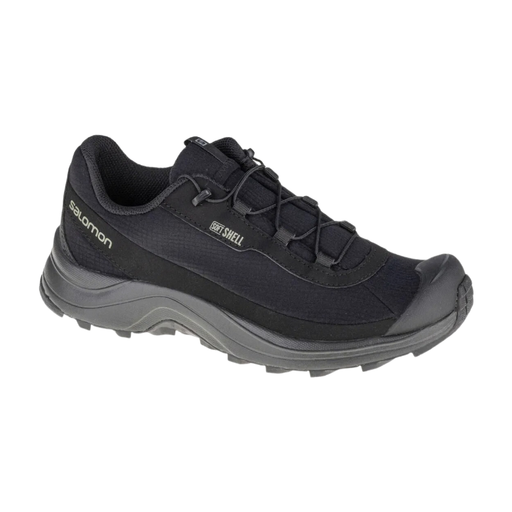
Why it stands out: The Genesis is designed for performance on challenging terrain. The combination of a grippy sole and responsive cushioning makes it suitable for serious trail runners.
Pros:
Who is it for? This shoe is an excellent choice for the ambitious trail runner looking for a reliable partner for training and races on technical terrain.
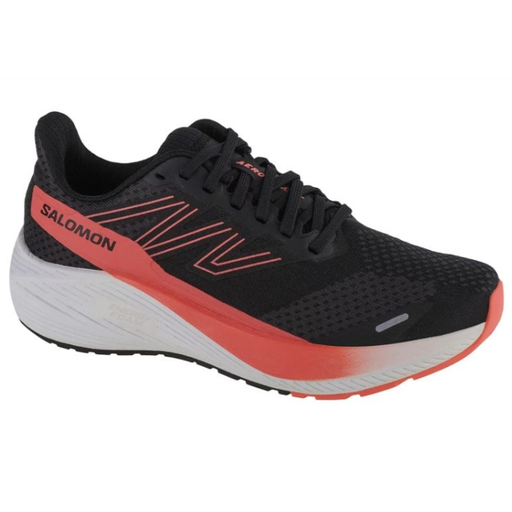
Why it stands out: The Aero Blaze W is specifically developed for women who primarily run on hard surfaces like asphalt. The focus is on comfort, ventilation, and a stable running experience.
Pros:
Who is it for? For female runners seeking a comfortable and durable shoe for their road training, from short jogs to longer endurance runs.
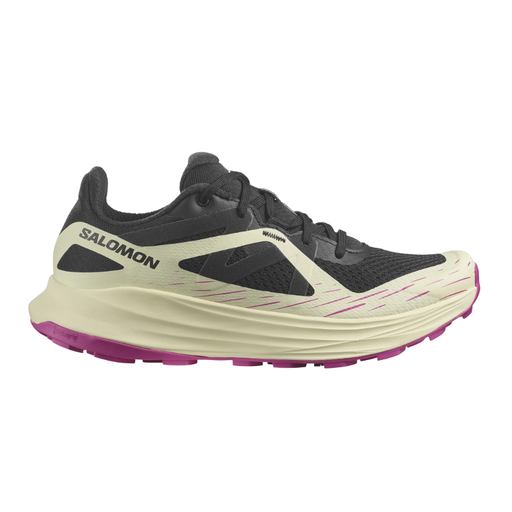
Why it stands out: The Ultra Flow is a true hybrid running shoe. It combines soft cushioning for the road with a versatile sole that also holds its own on forest paths.
Pros:
Who is it for? For the runner who likes to vary their terrain and wants one shoe that is comfortable on the pavement while also inspiring confidence on a forest path. An ideal all-round running shoe.
These three models provide a good overview of what Salomon has to offer, but the range is, of course, much larger. Are you specifically looking for a shoe with maximum ventilation for summer days?
Then check out our full collection of breathable running shoes for women for more options.
1. Are Salomon shoes good for daily running on asphalt? Yes, Salomon has several models specifically designed for road running, such as the Salomon Aero Blaze. These shoes focus on cushioning and a smooth transition, which is essential for comfort on hard surfaces. However, it's important to choose a model intended for the road and not a pure trail shoe, as the sole and cushioning are tuned differently.
2. What is the advantage of a Salomon Contagrip sole?Salomon Contagrip is the name Salomon gives to its outsole technology. It's not a single type of sole, but a range of rubber compounds and lug patterns optimized for different conditions. The main advantage is specialized grip. For example, an All Terrain Contagrip sole is designed for versatility, while a Mud Contagrip sole has deep, sharp lugs to 'bite' into mud and soft ground.
3. How do I choose the right size for Salomon running shoes? Salomon shoes can sometimes fit a bit differently than you might be used to. A general guideline is to buy running shoes about a half to a full size larger than your normal shoe size, as your feet swell slightly while running. Always consult the size chart on the product page and read any comments from other users about the fit. This often provides a good indication of whether a model runs large, small, or true to size.
