
Vandaag of morgen in huis

Kwaliteit gegarandeerd

Welkomstaanbiedingen ontgrendelen: GRATIS bezorging | Tot 80% korting | Gratis 30 dagen JoyPlus-proefperiode
Download de app
A pair of Salomon outdoor shoes could be suitable for muddy trails, long walks or everyday wear. However, it’s not wise to choose based only on a familiar model name or a striking sole. The right choice mainly depends on the terrain, your walking style, foot shape and the conditions you’ll be using the shoes in.
A membrane such as GORE-TEX can help keep moisture out. This makes a shoe a good option for rainy walks and wet paths. However, it doesn’t mean your feet will stay dry in all conditions. Water can, for example, get in through the ankle opening, while sweat can build up during intense activity.
So check the following too:
Deep lugs are useful on soft mud and loose ground. On tarmac, hard gravel paths or slippery stones, they can be less comfortable to walk on and may wear down more quickly. Shoes with good grip should therefore suit the terrain you’ll be using them on.
An aggressive tread, such as that found on some models in the Salomon Speedcross range, makes most sense on soft, muddy and technical trails. For mixed terrain, a more versatile rubber tread may feel more comfortable.
A mid-cut model has more material around the ankle, but that doesn’t automatically prevent every awkward movement. A loose heel, narrow forefoot or incorrect size can actually cause blisters and pressure points. Fit is still more important than the height of the upper alone.
Don’t just look at the name of the sole; consider what it’s designed for too:
The product descriptions for various Salomon models list Contagrip as the outsole material. Grip also depends on the surface, wear, moisture and walking technique.
The membrane construction is a key feature of Salomon GTX shoes and other GORE-TEX shoes. According to the product descriptions, these models are designed to offer protection in wet conditions. Always check that the shoe is otherwise suited to how you’ll use it: a waterproof trail shoe may feel warmer than a more breathable model without a membrane.
A GTX model can be handy for short walks in changeable British weather. For summer trail runs or intense activity, ventilation may matter more than maximum water protection.
For shoes for technical terrain, a firm heel counter, sufficient torsional stiffness and a secure fastening are all relevant. According to the product description, a Quicklace system allows you to adjust the fit quickly, but when trying the shoes on, check that the pressure is distributed evenly across your foot.
Also look for:
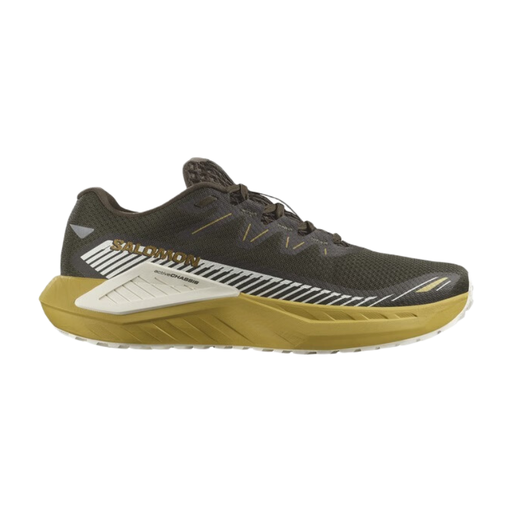
Why it suits this profile: According to the product description, this model is designed for gravel, mixed terrain, trail running and walking. That makes it a practical choice for beginners who don’t run exclusively on challenging, muddy trails.
According to the specifications, the All Terrain Contagrip outsole and mesh construction are designed for a variety of surfaces, rather than just soft mud.
Active Chassis for support, an Energy Foam midsole and a breathable synthetic mesh upper.
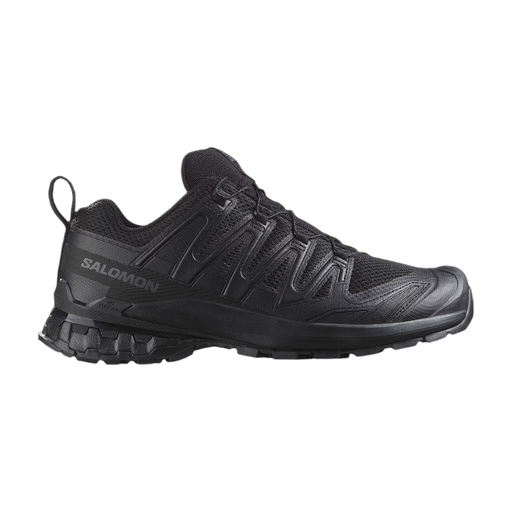
Why it suits this profile: For walkers and trail runners who regularly tackle technical paths in wet conditions, this model combines GORE-TEX, stability and grip.
The product description mentions both a GORE-TEX membrane and a 3D Advanced Chassis. This means you can assess water protection and stability separately.
Contagrip outsole, reinforced toe and heel, plus Quicklace for an adjustable fit.
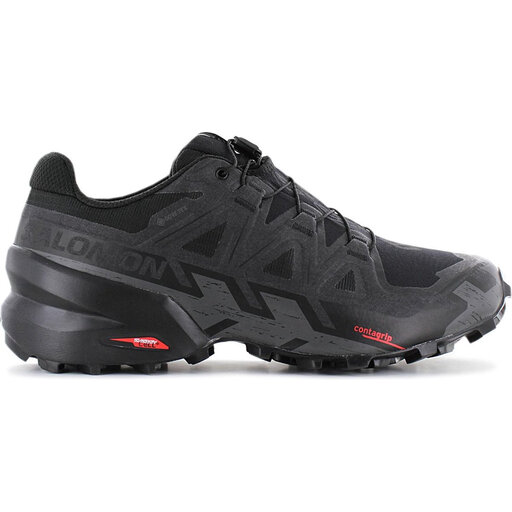
Why it suits this profile: According to the product description, this model is designed for trail runners who spend a lot of time on soft, muddy or technical terrain and want water protection too.
The sole isn’t just described as chunky: the specifications list an aggressive Contagrip tread with deep lugs for soft and technical terrain.
GORE-TEX membrane, EVA midsole, Sensifit construction and Quicklace system.
We’ve put together a complete, up-to-date list of products that meet these strict selection criteria and the applicable European safety regulations.
Compare the size guide for the specific model with the length and width of your foot. A Salomon model may fit differently from a shoe you already own. If possible, try it on with the socks you wear for walking or trail running.
Keep these points in mind:
According to the product information, the products mentioned come with a minimum two-year legal guarantee for consumers under EU consumer rules. Keep proof of purchase and follow the care instructions. Mud and sand can cause the sole and fastening to wear more quickly, so remove dirt after use with a soft brush or damp cloth, depending on the label.
They can be, especially for rainy walks and commuting. A GTX model may feel warmer than a shoe with a fully open mesh upper. For everyday wear on tarmac, a less aggressive tread is often more comfortable than a pronounced trail sole.
Their lifespan depends on distance, body weight, terrain, care and running style. Check the tread, midsole, seams and heel regularly. Reduced grip, visible cracks or cushioning that has lost its bounce are signs that it may be time to consider a new pair.
Look for models with “Wide” explicitly stated in the product name or specifications. According to the product description, the Salomon X Ultra 4 Mid Wide GTX is designed with a wider fit. Still, check the size guide and try them on, as width can feel different depending on your foot and the model.
