
Vandaag of morgen in huis

Kwaliteit gegarandeerd

Welkomstaanbiedingen ontgrendelen: GRATIS bezorging | Tot 80% korting | Gratis 30 dagen JoyPlus-proefperiode
Download de app
Choosing the right running shoe can be a daunting task, especially with a brand like Salomon that offers a wide range of models for different runners and terrains. Do you primarily run on asphalt, prefer exploring unpaved forest trails, or are you looking for a shoe that can handle both? The wrong choice can lead to discomfort, while the right shoe can significantly enhance your running experience.
As a Joybuy Product Recommendation Officer, my job is to help you navigate the specifications and options. In this article, we'll provide practical guidance to help you make an informed decision and highlight several popular models. This way, you can find the Salomon men's running shoes that perfectly match your running style.
Before making a choice, it's wise to consider a few key features. These determine how a shoe will perform on your favourite surface.
The most important factor is where you plan to run. The sole of a running shoe is specifically designed for a particular type of terrain.
Cushioning is crucial for comfort, especially over longer distances. Cushioned running shoes use special foams in the midsole, like Salomon's EnergyFOAM, which the manufacturer claims provides a soft landing and a responsive toe-off.
Your running style is also important. Most runners have a neutral gait. Neutral running shoes offer support without correcting the natural motion of the foot. The models discussed here are generally suitable for runners with neutral pronation.
A good fit is essential. Salomon uses technologies like SensiFit, which the brand states cradles the foot from the midsole to the lacing system. This ensures a stable and customised fit. Also, pay attention to the upper material. A breathable mesh material keeps your feet cool and dry.
Based on specifications and intended use, we have selected three compelling models.
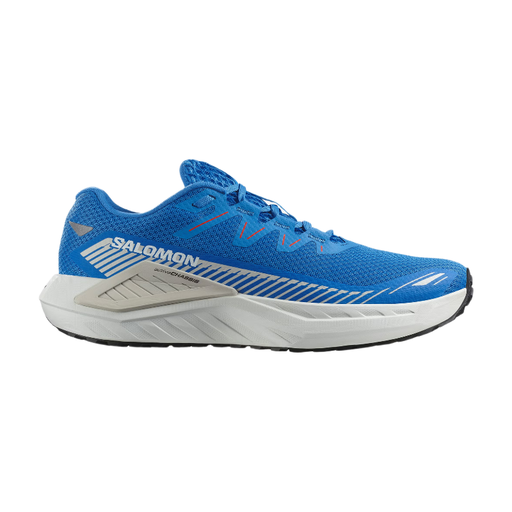
Why it stands out: The DRX DEFY GRVL is specifically designed for runners who don't want to be limited to a single surface. The combination of a cushioned midsole and a high-grip outsole makes it a versatile partner for training on mixed terrain.
Pros:
Who is it for? For the runner who regularly switches between paved roads, gravel paths, and well-maintained forest trails. An excellent choice if you're looking for a single shoe for diverse training sessions.
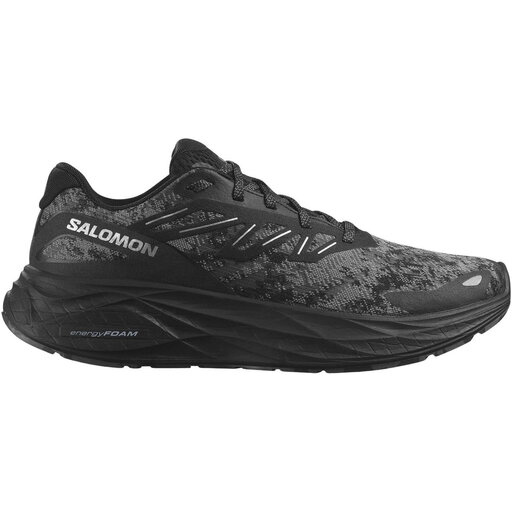
Why it stands out: The Aero Glide 2 is a dedicated road running shoe. The focus is entirely on maximum cushioning and comfort for running on hard surfaces like asphalt. It's a lightweight shoe designed for daily training.
Pros:
Who is it for? Ideal for the neutral runner who primarily trains on the road and is looking for a highly cushioned running shoe for daily use, from short jogs to long-distance runs.
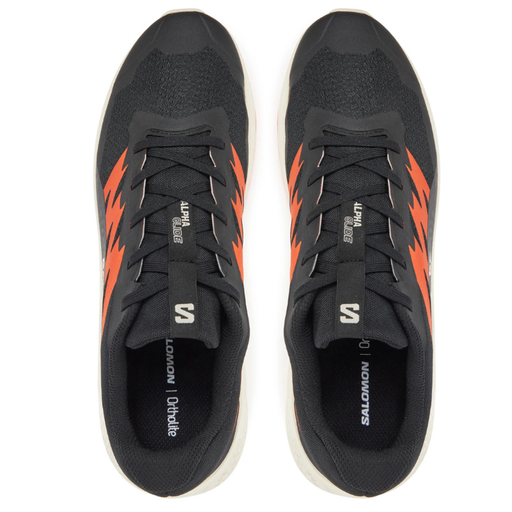
Why it stands out: The Alphaglide presents itself as a reliable all-rounder. This shoe combines comfortable cushioning with a sole that provides ample grip for both paved and light, unpaved paths. It's an accessible model for a wide range of runners.
Pros:
Who is it for? For the active man seeking a comfortable and reliable shoe for his runs, whether they take him through the park, the city, or along a forest path.
After reading this guide, have you concluded that you might be looking for something else? Sometimes, a comfortable and sturdy sneaker is a great alternative for daily use and light activities. For more inspiration, you can browse our collection of low-profile chunky sneakers.
Salomon shoes can sometimes run slightly smaller or narrower than you might be used to, particularly the trail running models which have a snugger fit for more stability. It's often a good idea to consult the manufacturer's size charts and read user reviews about the fit of a specific model.
The biggest difference lies in the outsole and construction. Trail shoes have a deep, aggressive tread (like Contagrip) for grip on uneven terrain and often feature a tougher, more protective upper. Road shoes have a flatter sole for an efficient transition on asphalt and prioritise lightweight cushioning.
While it's technically possible, it's not ideal. The deep tread of trail shoes wears out faster on asphalt and can feel less comfortable than the sole of a road shoe. It's fine for short stretches of pavement, but for longer distances on asphalt, a dedicated road shoe is a better choice.
