
Vandaag of morgen in huis

Kwaliteit gegarandeerd

Welkomstaanbiedingen ontgrendelen: GRATIS bezorging | Tot 80% korting | Gratis 30 dagen JoyPlus-proefperiode
Download de app
A pair of Salomon hiking shoes could be just the thing for woodland paths, muddy trails, trail running or winter walks. But a familiar model name doesn’t automatically mean a shoe is right for the way you’ll use it. A low-cut trail shoe feels very different from a mid-cut hiking shoe, and a waterproof membrane won’t solve a poor fit.
Salomon GORE-TEX shoes feature a membrane that, according to the product description, combines water protection with breathability. That’s handy in the rain, on wet grass and in mud. However, the construction doesn’t automatically make a shoe suitable for deep puddles or prolonged contact with water. Water can also get in through the opening.
So pay attention to:
Hiking shoes with good grip often have deep lugs on the sole. These can be an advantage on soft woodland paths, mud and loose ground. On tarmac or hard cycle paths, an aggressive tread can feel less flexible and wear down more quickly.
So choose your sole to suit your route. Deep lugs are useful on muddy trails; for long walks over mixed paths, a more versatile tread is often more practical.
A shoe that feels comfortable in the shop may rub your toes or slip at the heel on a longer walk. Measure both feet at the end of the day, wearing the socks you use for walking. Also check that your toes have room when you slide your foot forwards.
A wide foot doesn’t always mean you need a larger size. A model such as the Salomon X Ultra 4 Mid Wide GTX is specifically described as a wide fit, so it may be a better choice than sizing up in a standard model.
A GORE-TEX membrane is particularly useful if you regularly walk in rain, on wet grass or through mud. Check whether the model is specifically described as GTX or waterproof. Not every outdoor shoe is designed to cope with the same level of moisture.
Bear care in mind:
Heat can cause a wet shoe to lose its shape or wear out more quickly. Leather models, such as the X Ward Leather Mid GTX, need extra care when it comes to the upper.
The product descriptions for several Salomon models mention a Contagrip sole. The precise design varies by model. The Speedcross range is described as having a tread for soft, muddy and technical terrain. According to the product information, the Pulsar Trail has a lug depth of 3.5 mm and is designed for speed on relatively smooth terrain.
As a rule of thumb:
Low-cut trail running shoes are lightweight and allow plenty of freedom of movement. They’re suited to running, day walks and routes where speed matters. A mid-cut model covers more of the ankle and can offer extra support and protection on uneven paths.
A standard GTX shoe isn’t always enough in cold conditions. The Salomon X Ultra 4 Mid Winter TS is described in the product information as featuring Thinsulate insulation and a Winter Contagrip sole. This makes it suitable for cold weather, snow and slippery ground. Bear in mind, though, that the insulation may feel too warm in milder weather.
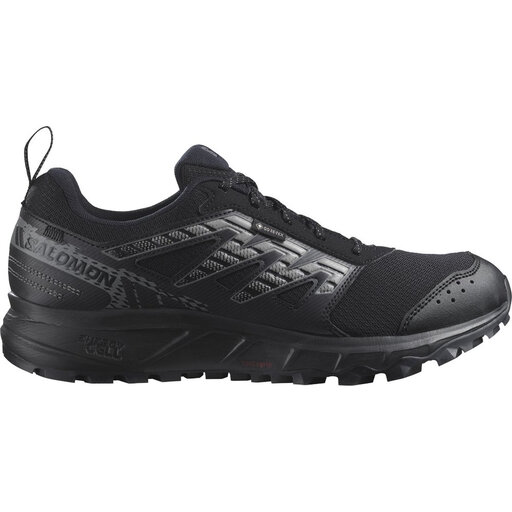
Why it suits this profile: According to the product description, this model is designed for hiking and general outdoor activities. With GORE-TEX, a Contagrip sole and a cushioned midsole, it’s a good choice if you’re looking for one pair of shoes for wet Dutch walking paths.
The choice isn’t based solely on a striking trail tread: the product information also mentions comfort, breathable materials and suitability for longer walks.
GORE-TEX membrane, EVA midsole and Contagrip rubber sole, according to the product information.
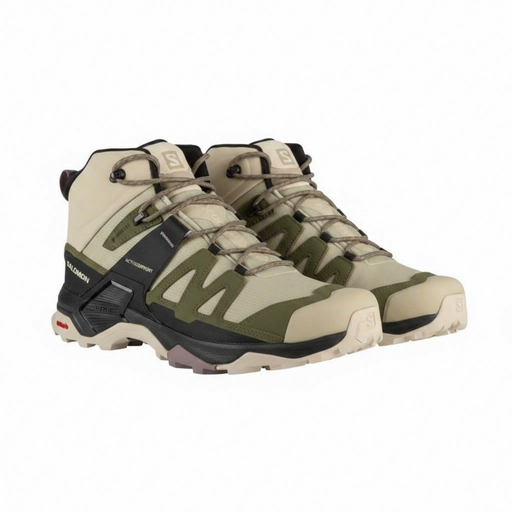
Why it suits this profile: According to the product description, the mid-cut design is made for hikers who want extra ankle coverage and stability on uneven routes.
The choice isn’t just about waterproofing: the higher cuff, EnergyCell midsole and sole for wet and dry terrain are all listed separately.
GORE-TEX, a mid-cut design, EnergyCell cushioning and a Contagrip MA sole, according to the product information.
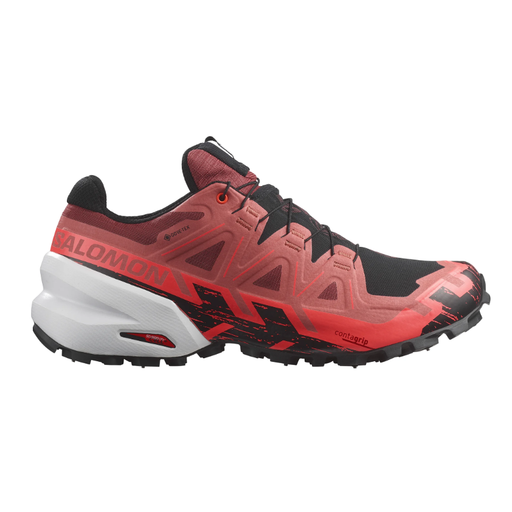
Why it suits this profile: According to the product information, this specialist winter model is designed for trail running and outdoor activities on snow and ice, thanks to its waterproof GORE-TEX construction and twelve tungsten spikes.
This model isn’t presented as an all-purpose hiking shoe, but as a specialist option for situations where grip on winter terrain matters.
GORE-TEX protection and twelve tungsten spikes, according to the product description; designed for snow and ice.
We’ve put together a complete, up-to-date list of products that meet these strict selection criteria and the applicable European safety regulations.
Look beyond the EU size and check the available width and the size guide for the specific model. Salomon sizing can feel different from one type of shoe to another. If you’re unsure, measure your foot length in millimetres and compare it with the information on the product page.
Also bear these points in mind:
Products are covered by statutory consumer rights in the European Union. The product information states that the models mentioned come with a minimum two-year legal guarantee; additional rights may apply under national law.
They can be, especially in rainy weather and for walks on paved or unpaved paths. For everyday use on tarmac, a trail model with deep lugs may be less practical. A more versatile model with a moderate tread could be a better fit.
Their lifespan depends on the distance you walk, the terrain, your body weight, how you care for them and how you store them. Mud, tarmac and sharp stones all put different demands on the sole. Once the tread is visibly worn or the membrane and seams are damaged, the level of protection drops. Let your shoes dry after use and don’t store them while they’re damp for long periods.
Some models are available in a wide fit. The Salomon X Ultra 4 Mid Wide GTX is specifically described as a wide model in the product information. Always check the current size guide and the shape of the forefoot; a wide fit isn’t the same as simply choosing a larger standard size.
