
Vandaag of morgen in huis

Kwaliteit gegarandeerd

Welkomstaanbiedingen ontgrendelen: GRATIS bezorging | Tot 80% korting | Gratis 30 dagen JoyPlus-proefperiode
Download de app
Choosing the right Salomon hiking shoes can be the difference between a blissful journey and a day marred by discomfort. However, the market is saturated with marketing jargon and look-alike models. Many buyers fall into the same traps, ending up with shoes that don't suit their activity or wear out quickly. As Joybuy's Product Recommendation Officer, I'll cut through the noise and give you practical advice to prevent a bad purchase.
Before you make a choice, it's crucial to recognise the most common pitfalls:
To make the right choice, you need to look beyond the marketing hype. Focus on these three technical aspects that define your shoe's performance.
A "waterproof" label isn't enough. The technology behind it is what counts. Gore-Tex shoes use a membrane with billions of microscopic pores. These pores are too small for water droplets to penetrate but large enough for water vapour (sweat) to escape. This creates a balance between waterproofing and breathability, which is essential for comfort in changeable weather conditions. Cheaper, non-breathable membranes turn your shoe into a plastic bag, leading to the sweaty-foot trap.
The sole is your connection to the ground. Salomon often uses two key technologies:
Salomon divides its shoes into clear categories. It's crucial to choose the right one for your activity.
Below are a few models that score well on the above specifications, matched to a specific user profile.
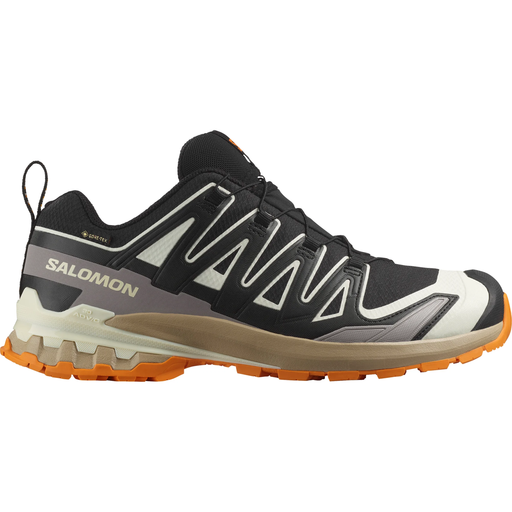
Why This Fits Their Persona: Perfect for those who switch between a forest walk, a day trip to the hills, and a city break. This shoe is a true hybrid between a hiking shoe and a stable trail runner.
The Gore-Tex membrane is breathable and prevents the "sweaty foot trap." The 3D Advanced Chassis provides the stability often underestimated in lighter shoes, so you don't compromise on support.
Proven stability and protection in a relatively lightweight package. The Contagrip sole offers reliable grip on both wet and dry surfaces.

Why This Fits Their Persona: Designed for long distances with a heavy backpack. The high-cut collar and extra support are crucial for stability in the mountains or on multi-day treks.
This model avoids the "wrong category" pitfall. It's not a light hiking shoe, but a dedicated backpacking boot. Its construction is focused on carrying weight, which is essential for comfort and safety.
Excellent ankle support from the high collar. The full suede leather upper combined with Gore-Tex offers durability and reliable waterproofing.
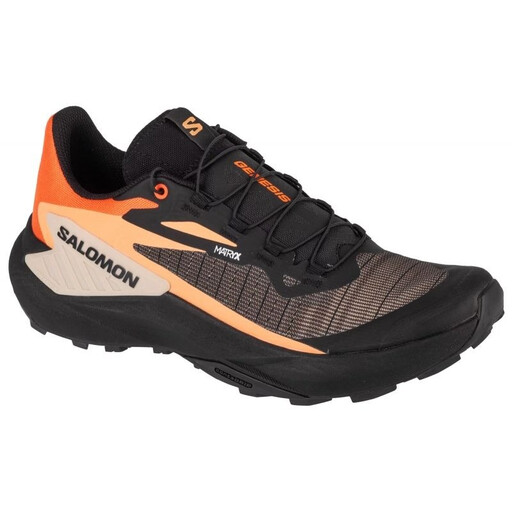
Why This Fits Their Persona: For the runner who tackles unpaved and technical trails. This shoe offers the stability of a hiker with the cushioning and light weight of a running shoe.
This shoe is specifically designed for dynamic movement. The Active Chassis and Energy Foam midsole provide support and energy return, avoiding the pitfall of using a shoe that's too clunky or stiff for trail running.
A combination of active support for technical terrain and responsive cushioning. The All Terrain Contagrip sole inspires confidence on varied surfaces.
We have compiled a complete, up-to-date list of products that fully meet these strict selection criteria and current regulations.
The lifespan of a hiking shoe depends heavily on the intensity of use, the terrain, and your body weight. Generally, you can expect 500 to 750 miles (800 to 1,200 kilometres). Pay close attention to the wear on the outsole (when the tread disappears) and the cushioning in the midsole. If the shoe feels flat or less resilient, it's likely time for a new pair.
Yes, to a certain extent. The breathability of the Gore-Tex membrane helps to wick away sweat, which keeps your feet drier than in a completely sealed, non-breathable waterproof shoe. However, for hikes in very hot and dry conditions, a non-Gore-Tex shoe with a mesh upper might provide even better ventilation. For most variable climates, a Gore-Tex shoe is usually a safe bet.
Proper maintenance extends their lifespan and performance. After each trip, remove mud and dirt with a soft brush and lukewarm water. Take out the insoles and let the shoes air-dry naturally. Never place them near a direct heat source like a radiator, as this can damage the membrane and adhesives. You can periodically reactivate the water-repellent layer of the outer fabric with a designated DWR spray.
