
Vandaag of morgen in huis

Kwaliteit gegarandeerd

Welkomstaanbiedingen ontgrendelen: GRATIS bezorging | Tot 80% korting | Gratis 30 dagen JoyPlus-proefperiode
Download de app
Wet woodland paths, muddy dunes and changeable weather put your footwear to the test. If you’re looking for Salomon GTX walking boots, you’ll soon come across models designed for walking, trail running and winter conditions. But a Gore-Tex label doesn’t guarantee that a boot is suitable for every activity.
The key question isn’t simply whether a boot keeps water out. You also need to consider whether its fit, sole and ankle height suit the way you’ll use it. Read on to find out what to look for and which models are worth comparing for different walking and trail needs.
According to the product descriptions, the models listed feature a GORE-TEX membrane that protects against rain and moisture. This can help on wet grass, in showers and on muddy trails. However, water can still get in through the opening if you walk through deep puddles. Seams, laces and a saturated outer fabric can also affect how well the boots protect you in practice.
So don’t just look for “GTX”. Check:
A sole with deep lugs can provide plenty of grip on soft mud, but it may feel less flexible on tarmac or hard cycle paths. Conversely, a relatively flat tread can feel comfortable on urban surfaces but offer less traction on loose ground.
Salomon trail running shoes, such as the Speedcross range, are primarily designed for soft, muddy or technical trails. For longer walks and mixed terrain, it makes more sense to compare models from the X Ultra range or the Salomon Wander GTX.
According to the product information, a mid-height boot offers extra support around the ankle. That doesn’t mean it will prevent a sprain or replace medical support. Fit is still crucial: a heel that’s too loose can slip, while a boot that’s too tight can cause pressure points.
Ideally, try on walking boots with the socks you wear on walks. Also check that your toes have enough room when walking downhill.
According to their product descriptions, the models in this selection combine a GORE-TEX membrane with synthetic materials and textiles. This is a practical combination for rainy walks, as long as you care for the boots according to the label.
GORE-TEX can limit ventilation compared with a shoe made entirely from open mesh. For dry summer days, a non-waterproof trail running shoe may feel more comfortable. On Dutch autumn and winter trails, protection from moisture and easy cleaning are often more important.
Check the description of the outsole:
A sole designed for winter trails isn’t automatically suitable for shops, wooden floors or long stretches of tarmac. Spikes can feel impractical or slippery on these surfaces.
A mid-height model, such as the Salomon X Ultra Mid GTX, covers more of the ankle than a low-cut trail running shoe. This can be useful on uneven paths and when carrying a backpack. Low-cut shoes generally offer greater freedom of movement and feel lighter.
Also check the sizing on each product page. The models below are listed in specific sizes; other sizes or colours may have separate product listings.
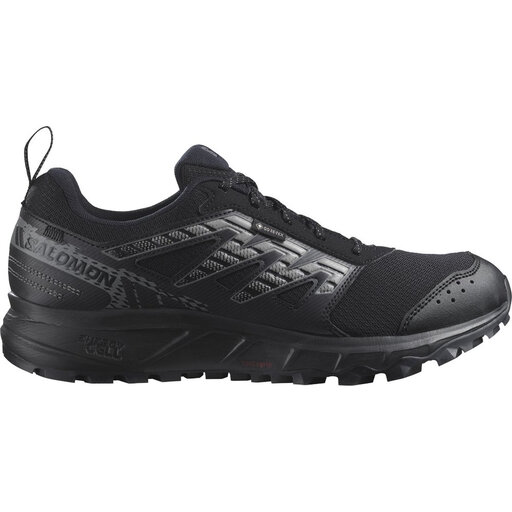
Why it suits this profile: A practical option for everyday walks, woodland routes and recreational use on a variety of surfaces.
The product description specifies a GORE-TEX membrane and Contagrip sole, so you don’t have to judge it by looks alone.
GORE-TEX, EVA cushioning and a synthetic outer layer; suitable for walks across varied terrain.
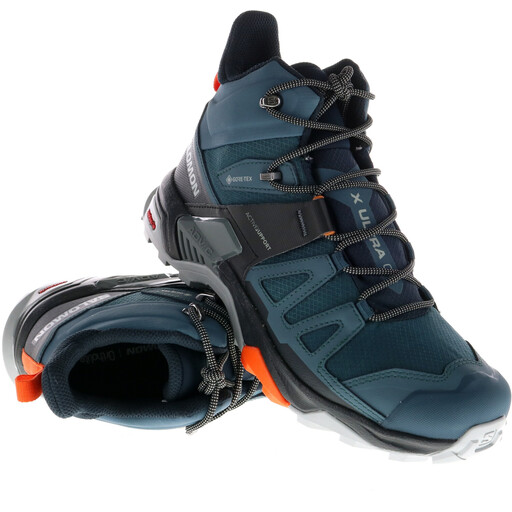
Why it suits this profile: Designed for walkers who value stability, ankle support and comfort on longer routes.
Its mid-height design makes clear that this model prioritises stability for walking over maximum flexibility for running.
GORE-TEX, an EnergyCell midsole and a Contagrip MA sole, according to the product description.
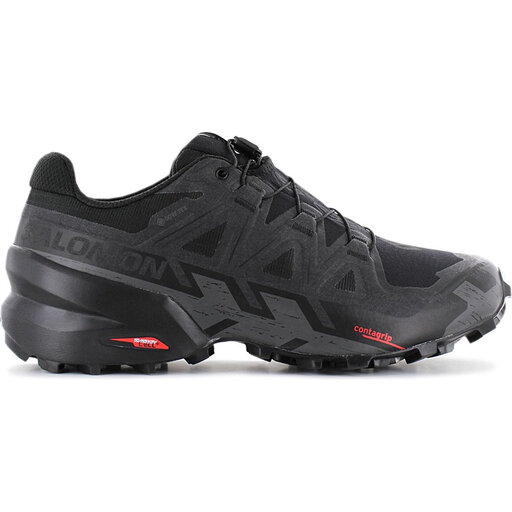
Why it suits this profile: For trail runners and walkers who regularly head out on soft, muddy or technical trails.
According to the product description, the deep Contagrip lugs are designed for soft and technical terrain, not as an all-purpose sole for tarmac.
GORE-TEX, Quicklace, SensiFit and an aggressive tread for loose or muddy trails.
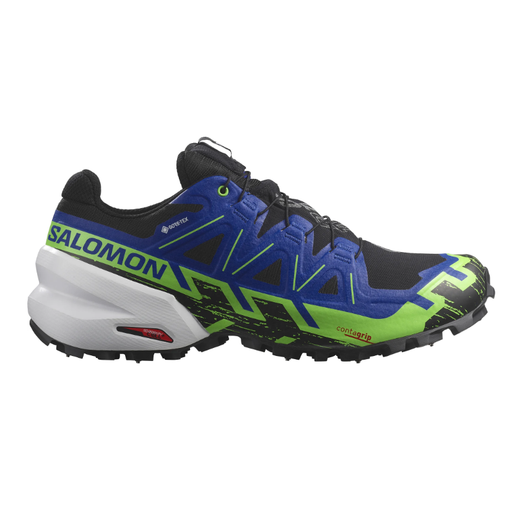
Why it suits this profile: For winter trail runs and walks where snow and ice are a factor.
The twelve spikes make it clear what this boot is designed for. It isn’t the obvious choice for everyday tarmac or indoor use.
GORE-TEX and twelve tungsten spikes, according to the product description; designed for snow and ice.
We’ve put together a complete, up-to-date list of products that meet these strict selection criteria and comply with current European safety regulations.
Brush off mud with a soft brush after every walk and leave the boots to dry at room temperature. Avoid radiators, tumble dryers and prolonged direct sunlight; heat can damage materials and adhesives. Only wash the boots according to the product label.
Lifespan depends on the surface, frequency of use, body weight, walking style and care. Check regularly:
According to the product listings, these boots are covered by a legal guarantee of at least two years under European consumer rules. This is separate from normal wear and tear.
That depends on the tread pattern. A model with a moderate Contagrip sole can be practical for walks and everyday use outdoors. A Speedcross or Spikecross model is better suited to specific trail or winter terrain.
Fit varies by model and foot shape. Try the boots on with your usual walking socks and check the room around your toes and heel. Always check the available size on the specific product page; the models in this guide are listed in individual sizes.
Carefully remove dirt, follow the care label and leave the boots to dry naturally. Only use a care product that’s suitable for the material and membrane construction. Machine washing and direct heat can damage the materials.
