
Vandaag of morgen in huis

Kwaliteit gegarandeerd

Welkomstaanbiedingen ontgrendelen: GRATIS bezorging | Tot 80% korting | Gratis 30 dagen JoyPlus-proefperiode
Download de app
Wet woodland paths, muddy dunes and uneven heathland demand more from footwear than a sturdy appearance. Anyone looking for Salomon GTX walking and trail running shoes is usually focused on waterproofing, grip and comfort. Yet purchases often go wrong because of three recurring pitfalls.
A GORE-TEX membrane is designed to keep water out while allowing vapour to escape. That does not mean every shoe will stay dry in all conditions. Water can enter through the collar, for example when walking through deep puddles or long grass. Sweat and insufficient ventilation can also create a damp feeling.
So do not just look for the words GORE-TEX. Also consider the shoe height, how it fits around the ankle and what you intend to use it for.
An aggressive tread can be well suited to mud and soft ground, but may feel less smooth on tarmac or hard cycle paths. For mixed routes, a multi-terrain sole is usually more practical. Also check whether the sole is designed for trail running, walking or trekking. These activities require different balances of flexibility, cushioning and stability.
Salomon shoes can feel different depending on the model and fit. On longer walks and descents, your toes need room to move. Too much space causes your feet to slide; too little can create pressure points. Measure both feet at the end of the day, wear the socks you plan to walk in and check the size guide on the product page.
Waterproof walking shoes and waterproof trail running shoes are particularly useful in the Dutch climate. Look out for:
A membrane only performs properly when you care for the shoes according to the label. Do not use bleach, a tumble dryer or direct heat if the manufacturer advises against it.
For shoes designed for mud and technical trails, the tread is at least as important as the membrane construction. The product information for the models mentioned associates a Contagrip sole with grip on soft, wet or uneven ground. Treat this as a product specification, not a guarantee for every surface.
For routes in the Netherlands, you can broadly make the following distinction:
A low trail running shoe offers freedom of movement and lower weight. A mid-height walking shoe provides more coverage around the ankle and can feel more comfortable with a heavy rucksack or on uneven terrain. If you have wider feet, look specifically for a Wide fit rather than ordering a standard model in a larger size.
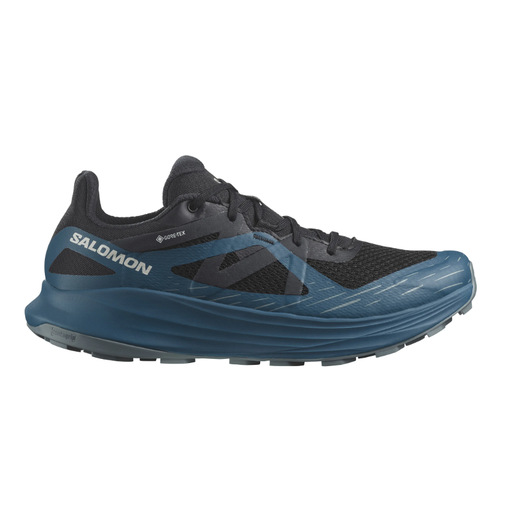
Why it suits this profile: The combination of GORE-TEX and a Contagrip sole for mixed terrain is well suited to walkers who alternate between paved paths, parks and unmade trails.
The product information mentions use on both roads and trails, so you do not automatically choose an overly aggressive tread for everyday mixed routes.
GORE-TEX membrane, higher EVA midsole and Contagrip tread for mixed terrain.

Why it suits this profile: This low-cut model is designed for trail running and walking on technical paths, for users who value stability and protection.
The 3D Advanced Chassis and reinforced toe and heel address the risk of a lightweight shoe providing too little support on rough routes.
GORE-TEX, 3D Advanced Chassis, Contagrip sole and Quicklace system according to the product description.
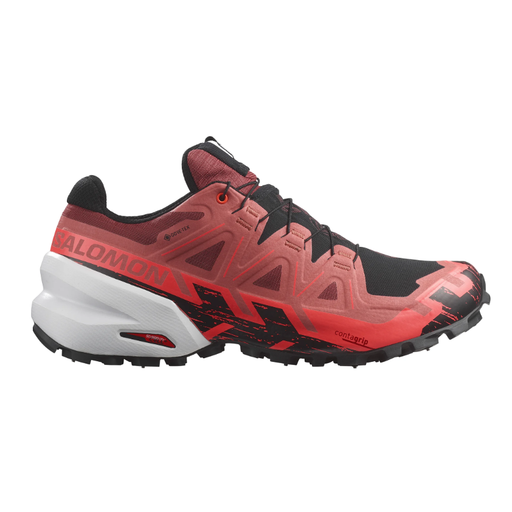
Why it suits this profile: Designed for winter trail runs and outdoor activities where snow or ice is present and extra grip is needed.
The 12 tungsten carbide spikes make it clear that this is not an all-purpose walking shoe, but a model for specific winter surfaces.
GORE-TEX construction and 12 metal spikes according to the product information; designed for snow and ice.

Why it suits this profile: The Wide version is designed for walkers who need more room around the forefoot, with a mid-height construction for trekking and longer walks.
The wide last means you do not have to buy a standard model in a larger size to create extra toe room, which can cause your feet to slide.
Wide fit, GORE-TEX membrane, ADV-C sole plate and Contagrip sole according to the product description.
For trail runners, the Salomon Speedcross 6 GTX and Salomon Speedcross 5 GTX W are logical models to compare. The product information for these series mentions a deep Contagrip sole, Quicklace and a close-fitting Sensifit construction. The Speedcross 5 GTX W is specifically described as a women’s model; always check the available size and current fit.
The Salomon XA Pro GTX is more focused on stability and protection on technical paths. For longer walks, X Ultra models such as the X Ultra 4 Mid Wide GTX are more suitable when ankle coverage or a wider fit is a priority. If you are looking for a leather version, you can also consider the Salomon X Ultra 360 LTR GTX W or X Ward Leather Mid GTX.
We have compiled a complete, up-to-date list of products that fully meet these strict selection criteria and the applicable European safety regulations.
That depends on your route and preferences. A low-cut shoe such as the XA Pro or Ultra Flow can be practical for everyday walking and mixed terrain. A mid-height X Ultra model provides more coverage and support, but may feel warmer and less flexible.
Their lifespan depends on walking distance, body weight, terrain, care and storage. Regularly check the sole, seams and membrane. Allow shoes to dry naturally and remove mud after use. Replace them when the sole becomes visibly smooth, the fit changes or the construction becomes damaged.
A membrane can often make ventilation feel different, particularly in warm weather. In return, you get protection from rain and wet grass. Choose a GORE-TEX model when protection from moisture is more important than maximum ventilation, and match your socks to the season.
