
Vandaag of morgen in huis

Kwaliteit gegarandeerd

Welkomstaanbiedingen ontgrendelen: GRATIS bezorging | Tot 80% korting | Gratis 30 dagen JoyPlus-proefperiode
Download de app
As a Joybuy Product Recommendation Officer, I see many trail runners struggle with purchasing new shoes. The market is flooded with marketing jargon that confuses more than it helps. Especially with an advanced model like the Salomon Genesis, it's easy to fall into the trap of unnecessary features, leading to a purchase that doesn't suit your running style on challenging forest trails or in the mountains.
Before you invest in new trail running shoes, it's important to recognise three common pitfalls:
A well-considered choice, like the Salomon Genesis trail running shoes, bypasses these problems by focusing on functional technology instead of marketing hype.
To avoid buyer's remorse, it's crucial to look beyond the product photo. For a stable and reliable trail shoe, these are the specifications that truly matter.
On unpredictable terrain, stability isn't a luxury; it's a necessity. Many shoes sacrifice stability for flexibility or cushioning. The Salomon Genesis series takes a different approach with an Active Chassis. This is a supportive frame within the midsole that guides the foot and provides lateral support, especially when descending on technical trails. It prevents ankle rolling without restricting the foot's natural movement. This makes it one of the more stable trail running shoes available.
The term "good grip" is subjective. What counts is the technology behind the outsole. The All Terrain Contagrip sole, standard on many Salomon trail shoes, is engineered for a wide variety of surfaces. This is achieved through:
This is not a compromise-sole, but a purpose-built solution for runners who frequently switch between different types of terrain.
The midsole determines comfort and energy return. The Salomon Genesis uses Energy Foam, a lightweight and responsive foam. According to Salomon, this is a combination of EVA and Olefin (OBC) that provides a balance between soft cushioning for long-distance comfort and a springy responsiveness that aids in an efficient toe-off. This prevents the "mushy" feeling of overly soft shoes and returns the energy you put into every step.
Not every serious trail runner is the same. Below, we match specific models to different runner profiles so you can make the right choice.

Why This Fits Their Persona: For the runner who seeks out the most challenging, rocky, and unpredictable trails in the Ardennes or the Alps. For this person, stability and precision are more important than maximalist cushioning.
This shoe avoids the "maximum cushioning" trap. The Active Chassis provides the necessary rigidity and control for technical terrain, where an overly soft shoe would fail.
The advanced Active Chassis system offers superior support and control. The All Terrain Contagrip sole inspires confidence on wet and dry surfaces.
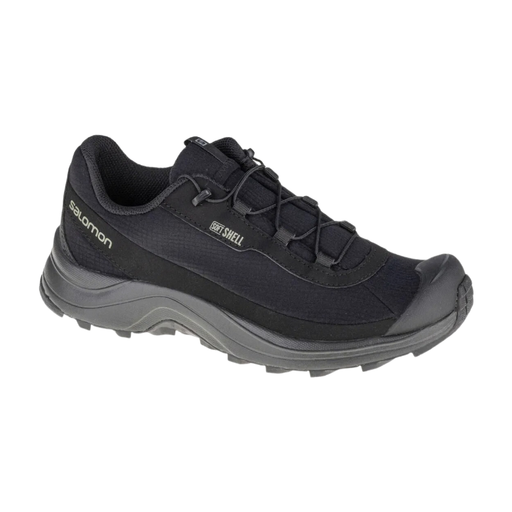
Why This Fits Their Persona: For the `men's trail running shoes` enthusiast who covers long distances (50km+). Comfort and protection are crucial to prevent fatigue and blisters, without sacrificing performance.
This model bypasses the "one-size-fits-all" sole. The All Terrain Contagrip is specifically designed for the mixed surfaces encountered during an ultra-run.
The EnergyFOAM midsole provides durable comfort and responsive cushioning. The SensiFit technology ensures a snug, secure fit that keeps the foot in place.
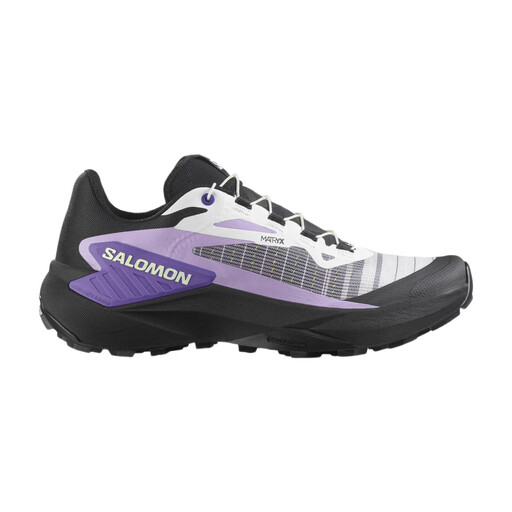
Why This Fits Their Persona: For the female runner who needs a reliable, dynamic shoe for regular training (2-3 times a week) on varied and technical terrain. Durability and breathability are priorities.
This model avoids the "waterproof illusion." The Matryx upper is not fully waterproof but focuses on abrasion resistance and breathability, preventing the shoe from getting too hot and allowing it to dry faster.
The durable Matryx upper provides support and is resistant to abrasion. The outsole with 4.5 mm lugs ensures reliable traction on rocky and mixed terrain.
The decision to buy Salomon Genesis depends on an honest analysis of your needs. By focusing on core specifications instead of marketing claims, you invest in a shoe that truly supports your performance.
Are you looking for a wider range of shoes for various workouts? We have compiled a complete, up-to-date list of products that meet strict selection criteria and regulations.
The lifespan of a trail shoe depends heavily on factors like terrain type, your running style, and body weight. Generally, a lifespan of 500 to 800 kilometres (300 to 500 miles) is a guideline. However, the Salomon Genesis is built with durable materials like reinforced mesh and the Contagrip outsole, which are designed to withstand the harsh conditions of technical terrain for longer.
Salomon shoes are known for having a standard to slightly narrow fit. The SensiFit technology in the Genesis is designed to cradle the foot precisely for a secure fit. If you have very wide feet, it is advisable to try the shoes on or consult specific user reviews regarding the fit.
Proper maintenance significantly extends their lifespan. Never wash the shoes in a washing machine. After each run, remove mud and dirt with a soft brush and lukewarm water. Take out the insole and let the shoes air dry naturally, away from direct heat sources like a radiator. This prevents the foam and adhesives from being damaged.
