
Vandaag of morgen in huis

Kwaliteit gegarandeerd

Welkomstaanbiedingen ontgrendelen: GRATIS bezorging | Tot 80% korting | Gratis 30 dagen JoyPlus-proefperiode
Download de app
If you're serious about trail running, you know your shoes can make the difference between a great run and a painful experience. However, the trail running shoe market is filled with marketing claims that don't always match the reality of local trails. Before you invest in a new pair, it's crucial to recognise the most common pitfalls.
Many runners fall into the trap of exaggerated specifications. Consider shoes advertised as "fully waterproof." This sounds ideal for muddy forest paths but often leads to overheated, sweaty feet, which actually increases the risk of blisters. Another common mistake is focusing on maximum cushioning. While comfort is important, an overly soft sole can reduce ground feel, sacrificing your stability on technical and rocky terrain. Finally, there's the myth of the "do-it-all" sole, which promises perfect performance on any surface but often falls short on wet rocks or in deep mud.
To avoid a bad purchase, it's wise to focus on the technical specifications that truly matter for your type of runs. Focus on the following three key points.
For unpredictable local trails, which can range from soft forest floors to muddy paths and even rocky sections, you need trail shoes with versatile grip. A sole that only excels on dry, hard surfaces is not enough.
Technologies like Salomon All Terrain Contagrip are designed to offer a balance. According to Salomon, this type of sole is developed for grip on a wide range of surfaces, both wet and dry. The depth and pattern of the lugs determine how the shoe performs on soft ground (mud) versus hard ground (rocks). So, don't just look for the claim "good grip," but for a sole designed for mixed terrain.
Comfortable trail running shoes are essential for long distances, but comfort should not come at the expense of control. A midsole with too much cushioning can feel like running on pillows, but it also removes your connection to the trail. This can be dangerous on uneven terrain where you need to react quickly.
Materials like EnergyFOAM, which Salomon uses in the Genesis, are intended to provide a middle ground. According to the manufacturer, this foam combines cushioning for comfort with responsive energy return. This means the shoe absorbs shock without you losing contact with the ground. This is crucial for running shoes for rocky terrain, where precision and stability are paramount.
A shoe can have the best sole and cushioning, but if the fit isn't right, it's useless. A poor fit leads to your foot sliding inside the shoe, causing friction and blisters. Technologies like SensiFit aim to securely envelop the foot for a stable and personalised fit.
Additionally, lightweight trail shoes are a plus, as every gram counts during a long run. However, this should not compromise protection. A reinforced toe cap is essential to protect your toes from rocks and roots. A well-designed upper made of breathable mesh material helps keep your feet cool and dry, avoiding the "waterproof" trap.
Not every runner has the same needs. Below are some options that suit different profiles, based on their specifications.
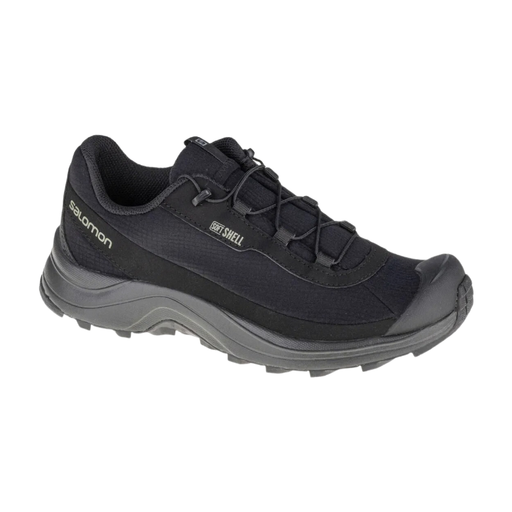
Why it fits this profile: This shoe is designed for serious trail runners who cover long distances on technical and challenging terrain. The combination of durability, comfort, and grip makes it suitable for ambitious goals.
The Genesis focuses on balance: the EnergyFOAM midsole provides cushioning without sacrificing responsiveness. The breathable mesh upper prevents overheating, and the All Terrain Contagrip sole is made for mixed terrain, not a single niche.
The combination of a protective toe cap, a secure SensiFit fit, and a durable, high-grip sole makes this a reliable choice for those considering buying the Salomon Genesis for demanding trails.
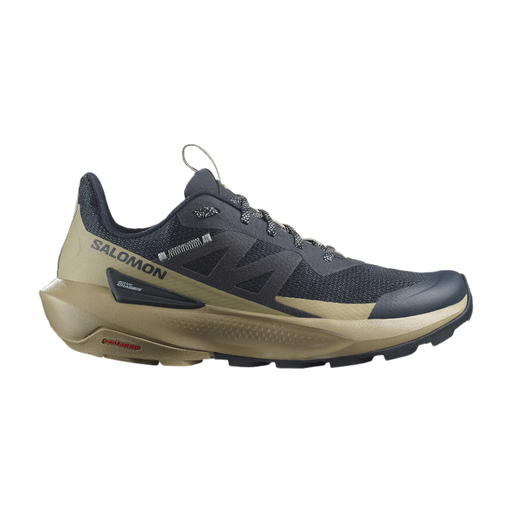
Why it fits this profile: For those who enjoy hiking or other outdoor activities in addition to trail running and are looking for one reliable shoe. This shoe is positioned as a versatile option for various adventures.
The Elixir Active is not overly specialised. The Energy Foam midsole is comfortable for both walking and running, and the All Terrain Contagrip sole is an all-rounder that won't fail when the terrain changes.
Its versatility is its greatest asset. It's a light and comfortable shoe that performs on various surfaces, so you don't need a different pair of shoes for every activity.
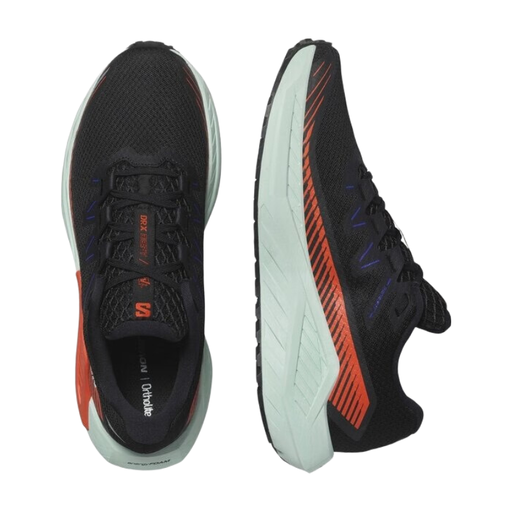
Why it fits this profile: Specifically designed for women who primarily run on gravel paths and well-maintained forest trails. The focus is on comfort and support for long runs on relatively hard, unpaved surfaces.
This shoe has a sole optimised for mixed terrain, including gravel, without the overly aggressive lugs needed for deep mud. The cushioning is tuned for comfort during longer runs on harder surfaces.
The combination of a responsive EnergyFOAM midsole and a secure fit (SensiFit) provides comfort and stability, specifically for the challenges of gravel and forest paths.
We have compiled a complete, up-to-date list of products that fully meet these strict selection criteria and current regulations.
The lifespan of a trail running shoe depends heavily on usage, terrain, and the runner's weight. Generally, it is recommended to replace trail running shoes after 500 to 800 kilometres (300 to 500 miles). For a shoe like the Genesis, built with durable materials for technical terrain, you can expect it to perform at the upper end of this range, provided it is well-maintained. Regularly check the wear on the outsole and the responsiveness of the midsole.
Yes, the All Terrain Contagrip sole is designed as a versatile option. According to Salomon, its tread pattern offers a good balance between grip on hard, wet surfaces and traction in soft mud. For the typical local trail, which is often a mix of forest floor, sand, and mud, this type of sole provides reliable performance. For extremely deep mud races, more specialised soles with deeper lugs exist, but for most runners, the All Terrain variant is an excellent all-rounder.
Salomon shoes, particularly performance models like the Genesis, are known for having a somewhat narrower, performance-oriented fit. It is often advisable to use your normal shoe size as a starting point, but consider the thickness of your running socks. Ensure you have about a thumb's width of space between your longest toe and the front of the shoe. This prevents your toes from hitting the front during descents. If you are between two sizes, it is often wise to choose the larger size.
