
Vandaag of morgen in huis

Kwaliteit gegarandeerd

Welkomstaanbiedingen ontgrendelen: GRATIS bezorging | Tot 80% korting | Gratis 30 dagen JoyPlus-proefperiode
Download de app
Want to buy salad dressing online, but finding it hard to tell the difference between all the bottles, flavours and marketing claims? Salad dressing can also be used with raw vegetables, sandwiches and grilled dishes, or as a dip. But not every variety suits every dish or household.
When comparing dressings, focus on how you’ll use them, their ingredients and their nutritional values. Attractive packaging or claims such as “light”, “natural” or “sugar-free” don’t always tell the whole story.
Honey and mustard dressing sounds sweet and mild, but alongside honey it may contain sugar, sweeteners or flavourings. For example, the ingredients list for Remia Honey Mustard Dressing includes honey flavouring, Dijon mustard and sweeteners. If you’re specifically looking for real honey, check the percentage of honey on the label.
“Sugar-free” doesn’t automatically mean low in calories, either. Always check the nutrition table per 100 ml or 100 g.
A large bottle may seem like good value, but it’s most practical if you use the dressing regularly. A 1-litre bottle, such as KEWPIE Deep roasted sesame dressing, is a good fit for a large household or frequent use. If you only have salad occasionally, a 236 or 250 ml bottle may be more convenient, as you won’t have an opened bottle for as long.
Always check the storage instructions on the packaging after opening. Some dressings need to be refrigerated and used within a certain period.
Creamy dressings often contain egg, milk, mustard or soya. Milk ingredients are to be expected in a yoghurt dressing, while sesame dressing often contains soya, wheat and egg too. So check the latest ingredients list, especially if you have allergies or intolerances. Online product information is useful for narrowing down your options, but the label on the packaging is the one to rely on.
First, decide what you need the dressing for:
If you’re also using a dressing as a dip, it should be thick enough not to run off vegetables or bread too quickly.
Check the order of the ingredients. The ingredients listed first are generally present in the largest quantities. Look out for:
For example, according to the product information, KEWPIE Sesame Dressing Deep Roasted contains sesame, soya, wheat, mustard and egg. This makes it less suitable if you’re looking for an allergen-free option.
Compare products per 100 ml or 100 g, not just by bottle. Creamy dressings often contain more fat than clear varieties. A smaller portion may be a practical choice if you’re mainly using the dressing to add a little extra flavour.
Also check the salt and sugar content. According to the product information, Remia Natural Salad Dressing contains 7 g of sugar and 1.8 g of salt per 100 ml. That doesn’t make it unsuitable, but it’s useful to know if you use it every day.
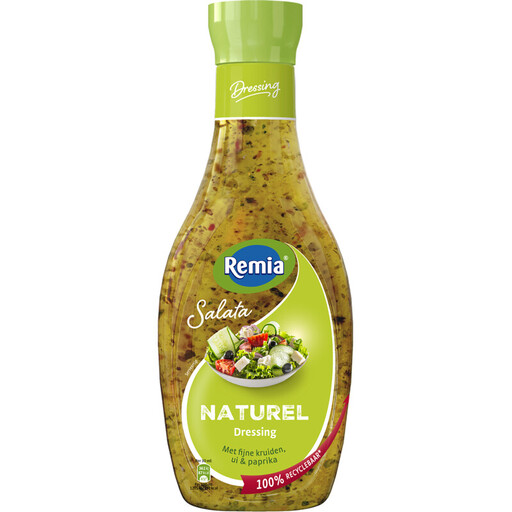
Why it suits this profile: An easy-to-enjoy dressing for everyday green salads and raw vegetables, in a handy squeezy bottle.
The product information says it contains no artificial colourings, flavourings or preservatives. Always check the latest label, though.
450 ml bottle, with a squeezy top and herbs, onion and pepper according to the product description.
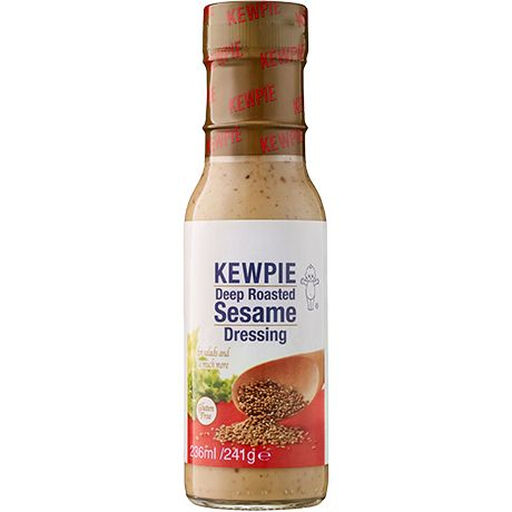
Why it suits this profile: For anyone looking for a bold sesame flavour to enjoy with salads, vegetables, noodles or as a dip.
The smaller bottle means you don’t have to buy a large supply before you know whether you like the flavour.
236 ml, with roasted sesame as the flavour base. Use it as a dressing or dip.
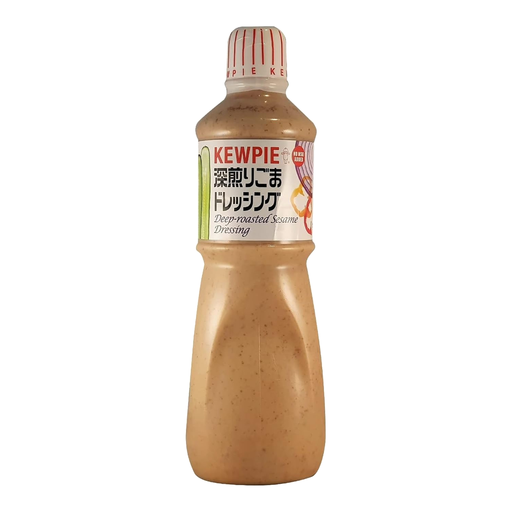
Why it suits this profile: A large bottle for households, meal prep or regular use with salads and hot vegetable dishes.
The 1-litre size only makes sense if you use it regularly, so check how much you’re likely to use and the storage advice first.
1 litre, with ingredients including sesame, soya sauce and egg for a bold flavour.
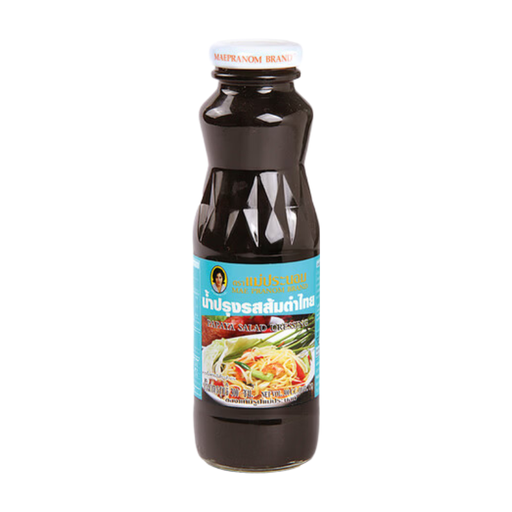
Why it suits this profile: For Thai salads, fresh spring rolls, grilled chicken, fish and vegetables with a sweet, spicy twist.
The product information clearly explains how to use it: shake well, serve cold and refrigerate after opening.
300 ml, with 15% papaya according to the product information. Use it as a dressing or dip.
We’ve put together a complete, up-to-date list of products that meet these strict selection criteria and current European safety requirements.
A classic dressing, yoghurt dressing, honey and mustard dressing or Thousand Island dressing often goes well with cucumber, carrot, pepper and lettuce. Choose a thicker variety if you want to use it as a dip.
It depends on the product. Follow the storage instructions on the label. Refrigerate opened dressings if the label says to, keep the bottle tightly closed and use the recommended after-opening period as a guide.
No. Sugar-free dressing can still contain fat or use sweeteners. Compare the nutritional values per 100 ml and check the full ingredients list before choosing.
