
Vandaag of morgen in huis

Kwaliteit gegarandeerd

Welkomstaanbiedingen ontgrendelen: GRATIS bezorging | Tot 80% korting | Gratis 30 dagen JoyPlus-proefperiode
Download de app
A good salad dressing can add flavour to a simple salad, but comparing products online isn’t always easy. A bottle labelled “creamy”, “natural” or “honey mustard” doesn’t tell you straight away how much oil, sugar, salt or allergens it contains. And a larger pack isn’t automatically better value if you only use the sauce occasionally.
When buying, look out for these three common pitfalls:
Ingredients are listed in descending order by quantity. Is water, vinegar or oil near the top? That gives you an initial idea of the dressing’s texture and flavour.
A natural dressing often contains vinegar, herbs, onion or pepper. In a creamy salad dressing, oil, yoghurt, egg or thickening agents may be used. A 1000 islands dressing, for example, often contains vegetables, gherkin, tomato, mustard and a creamy base.
Also compare the nutritional values per 100 ml. This makes it easier to spot the difference between a light dressing, an oil-based sauce and mayonnaise.
Taste is personal, but the nutrition table helps you compare products objectively. For example, g'woon Salad Dressing Natural 450 ml lists 0.1 grams of fat and 7.6 grams of sugar per 100 ml. Remia Natural Salad Dressing also lists 0.1 grams of fat, with 7 grams of sugar per 100 ml.
A creamy dressing will usually contain more fat. For example, g'woon 1000 Islands Salad Dressing lists 20.6 grams of fat and 8 grams of sugar per 100 ml. Mayonnaise has an even higher fat content: Oliehoorn Mayonnaise 80% lists 79.9 grams of fat per 100 grams.
Use these figures as a guide to help you choose a product that suits your meal and preferences, not as a measure of quality.
Always check the label, especially if you have allergies or intolerances. Many dressings and mayonnaises contain egg and mustard. Some varieties also contain milk, fish, soya, celery, sulphites or cereals containing gluten.
According to the product information, Sunlee Thai Spicy Salad Dressing contains fish and soya, due to the fish sauce. Saitaku Wasabi Mayonnaise lists egg, mustard and sulphites as allergens. Check the current packaging each time you buy, as recipes can change.
Follow the storage instructions too. Some products need to be refrigerated after opening. For example, Maepranom Papaya Salad Dressing says to refrigerate the bottle after opening and use it within four weeks.
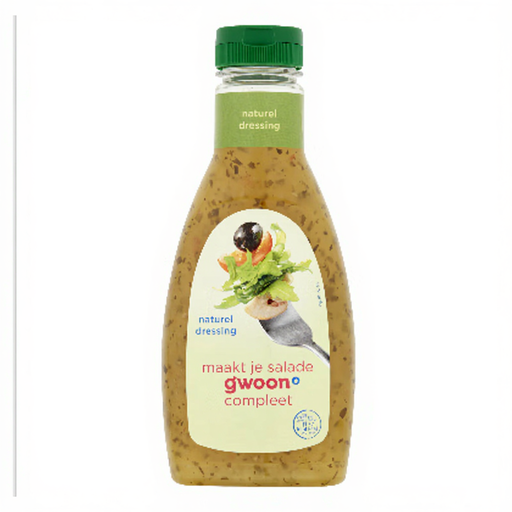
Why it suits this profile: An approachable natural dressing for everyday leafy salads, raw vegetables and a simple lunch.
The product information gives the bottle size as 450 ml and includes clear nutritional values, so you can compare the quantity and ingredients without relying on marketing language alone.
0.1 grams of fat per 100 ml according to the product details; contains onion, pepper, vinegar and herbs.
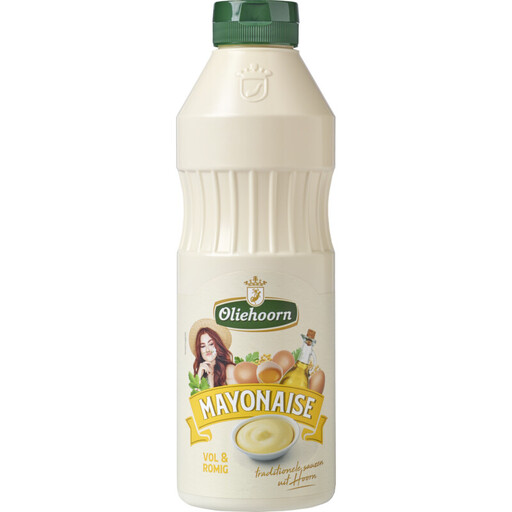
Why it suits this profile: For households that regularly enjoy mayonnaise with chips, snacks and potato salad, or use it to make their own sauces.
The 80% oil content is clearly stated in the product name. That makes it clear at a glance that this is a full-fat mayonnaise, not a lighter salad base.
750 ml pack; according to the product details, contains 78% rapeseed oil and 6% free-range egg yolk.
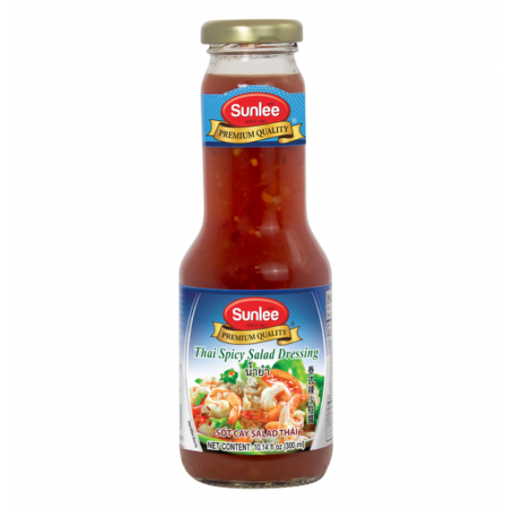
Why it suits this profile: For fans of Thai salad dressing with chilli, lime, garlic and spices, served with salads, meat or fish.
The flavour profile and suggested uses are clearly described. However, check for fish and soya before ordering.
300 ml pack; ready to use and, according to the product information, contains no artificial colours or preservatives.
We’ve put together a complete, up-to-date list of products that meet these strict selection criteria and current European safety regulations.
Mayonnaise is usually thicker and contains a high proportion of oil. That makes it a good choice with chips, sandwiches, snacks and potato salad. Classic salad dressing is often thinner and contains vinegar and herbs, and sometimes very little fat. The right choice depends on the salad and the texture you’re after.
Start with a small amount and add more as needed. For a bowl of salad, one to a few tablespoons is often a practical starting point, depending on the quantity of vegetables and how thick the sauce is. Shake the bottle well before use to help the oil, vinegar and herbs mix together.
Always follow the label. If an opened dressing needs to be chilled, store it in the fridge and close the bottle tightly. Check how long it can be kept after opening. Check the smell and appearance before use, and don’t use the product if the packaging is damaged or the dressing smells or looks noticeably different.
