
Vandaag of morgen in huis

Kwaliteit gegarandeerd

Welkomstaanbiedingen ontgrendelen: GRATIS bezorging | Tot 80% korting | Gratis 30 dagen JoyPlus-proefperiode
Download de app
A good salad dressing can add more flavour to simple lettuce, raw vegetables or grilled veg. Yet buying salad dressing online is less straightforward than it seems. Packaging uses terms like “light”, “natural” or “honey”, while the composition can vary greatly from product to product.
Look out for these common pitfalls:
Compare products on the same basis. This makes it easier to see the difference between a creamy dressing, a light vinaigrette and a sweeter glaze.
An example is Remia Natural Salad Dressing. According to the product information, this dressing contains 34 kcal, 0.1 g fat, 7 g sugar and 1.8 g salt per 100 ml. So the low fat content here goes hand in hand with a relatively higher sugar and salt content.
With a creamy dressing, the values are usually different. Remia Ranch Dressing lists 234 kcal and 20 g fat per 100 ml. According to the label, the dressing contains yoghurt, egg and buttermilk powder, among other things. That can suit someone looking for a fuller texture, but is less suitable for anyone wanting a light dressing.
The ingredients are listed in descending order by quantity. If oil or sugar appears near the top, it forms a significant part of the product.
Also look out for:
Remia Natural Salad Dressing is described in the product information as free from the 14 main EU allergens. That makes the choice clearer, but always check the current label with every purchase.
A dressing for raw vegetables often needs a fresh, herby taste. With sushi, grilled meat or fish, a stronger product can be a better fit.
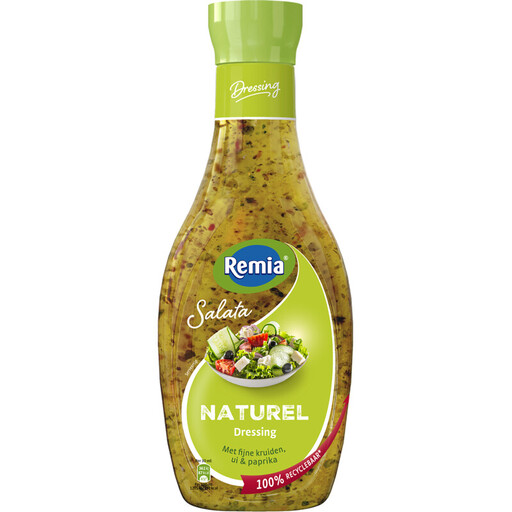
Why this fits the profile: An accessible dressing for everyday salads and raw vegetables, with a handy squeezy bottle and a fresh herb blend.
The product information states no artificial colours, flavourings or preservatives, and clearly displays the nutritional values.
450 ml content, squeezy bottle, suitable for lettuce and raw vegetables, described as gluten-free according to the product information.
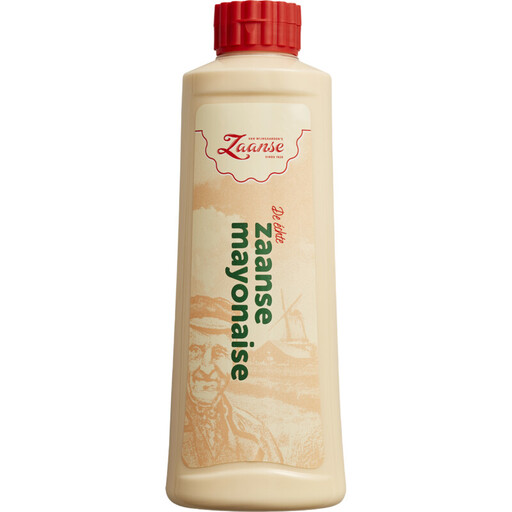
Why this fits the profile: For households that regularly use mayonnaise with salads, snacks, sandwiches or as a base for their own dressing.
The label states an oil content of 80.4 g fat per 100 g. This makes it clear upfront that this is a full, creamy mayonnaise and not a light dressing.
750 ml content, squeezy bottle with star opening, contains rapeseed oil, egg yolk and mustard according to the ingredients list.
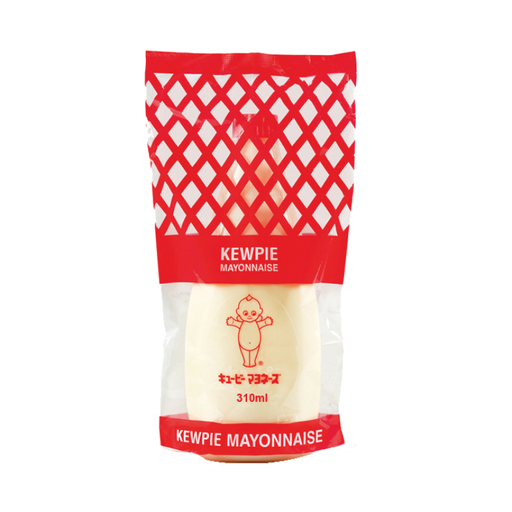
Why this fits the profile: For fans of Japanese flavours who want one mayonnaise for sushi, salads, sandwiches and grilled dishes.
The product description mentions egg, vinegar, mustard and MSG as key ingredients. The pronounced umami flavour is therefore easier to anticipate upfront.
310 ml content, squeezy bottle, suitable for sushi and various hot and cold dishes.
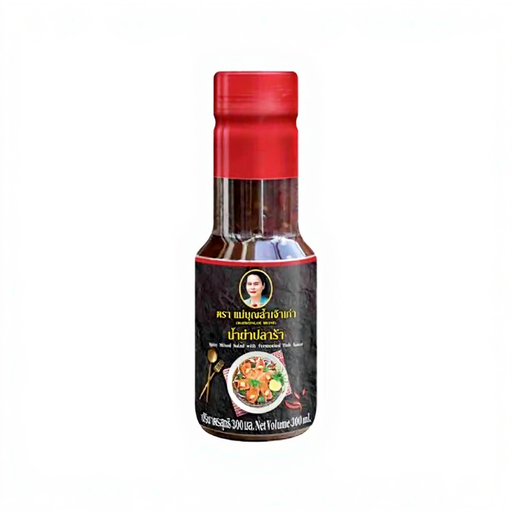
Why this fits the profile: An option for those seeking Thai and Southeast Asian flavours for salads, noodles or rice dishes.
The product information clearly states that fermented fish sauce makes up 70% of the ingredients and that this variant is not spicy. The product contains fish.
300 ml content, non-spicy flavour, suitable for Asian salad combinations and cold dishes.
We’ve put together a full, up-to-date list of products that fully meet these strict selection criteria and comply with current European safety regulations.
Fresh, herby dressings such as a natural dressing, fine herb dressing or a light vinaigrette work well with raw vegetables. Carrot, cucumber and pepper also combine with honey-mustard, as long as the sweetness doesn’t overpower. Check the nutritional values if you want to limit sugar or salt.
This varies by product. Always follow the storage instructions on the packaging. Creamy dressings and mayonnaise often need to be refrigerated after opening. Use a clean cap and close the bottle immediately. If in doubt, check the smell, colour and texture, and don’t use any product where the packaging is damaged.
No. A product with “0% sugar” may contain sweeteners. Remia Honey Mustard Dressing, for example, lists erythritol and sucralose in the ingredients and 0.3 g sugar per 100 ml. So check both the nutritional table and the full ingredients list before choosing a dressing.
