What should you look for when choosing?
When storing dressing for cookery workshops, the key considerations are temperature control, usable space, transport and the energy consumption of any extra refrigeration equipment.
| Consideration |
What to look for when buying |
Who is this most relevant to? |
| Storage temperature |
The Voedingscentrum recommends a fridge temperature of 4 °C. For selling perishable food at events, the NVWA specifies temperature checks using a digital probe thermometer; don’t rely on a display alone. |
If I’m serving perishable dressing, I want to know what temperature the portions actually reach. Around 36% of consumers prioritise temperature control. |
| Space for portions |
Count the portions and measure their dimensions. Compare them with the shelves and stated fridge compartment capacity, separate from any freezer space. |
If I want to keep several sealed portions chilled for one workshop, I need to know whether they’ll fit practically in the fridge. Around 29% of consumers prioritise space for portions. |
| Transport between locations |
Check that the connections are compatible with the power supply during transport and at your venue, and measure the temperature while the unit is in use. A stated difference from the ambient temperature is not an absolute storage temperature. |
If I’m taking dressing between workshop venues, the power supply and cooling during transport need to work together. Around 21% of consumers prioritise transport. |
| Energy consumption of extra refrigeration |
For suitable models, compare the annual consumption in kWh on the energy label. Milieu Centraal recommends switching on extra refrigeration space only when needed. |
If I’m considering a second fridge for workshops, I want to know whether I can switch it off when it’s not in use and how much energy the model consumes. Around 14% of consumers focus mainly on the energy consumption of extra refrigeration equipment. |
Products at Joybuy
This selection includes portable compressor cool boxes for transport and fridges for fixed storage. Before choosing, check the actual temperature and how much space is available for the sealed portions.
 No image available
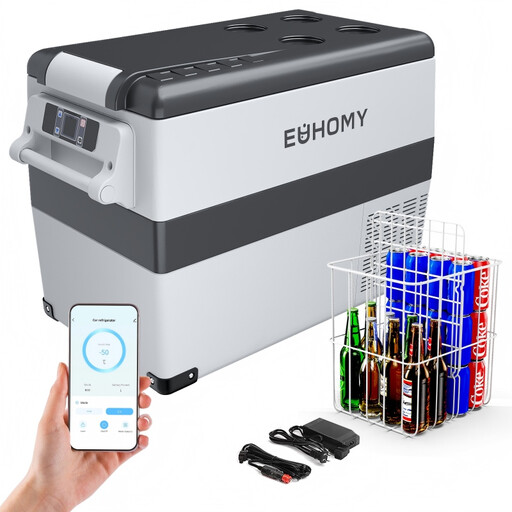
EUHOMY 40L compressor cool box
A portable option for transport between locations, if the available connections and temperature during use suit your needs.
Capacity: 40 l. Temperature setting range: −20 °C to 20 °C. Connections: 12/24 V DC and 100–240 V AC.
The product name lists app control and ECO and MAX modes; check which controls you need for your intended use.
View product at Joybuy
 No image available
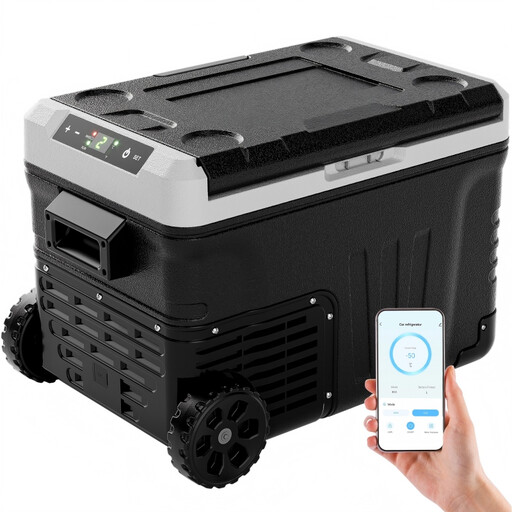
EUHOMY 35L compressor cool box
This portable compressor cool box may be suitable if you’re transporting dressing and have access to the right connections at your locations.
Capacity: 35 l. Temperature setting range: −20 °C to 20 °C. The product name lists 12/24 V and 220–240 V power supply.
The product name mentions wheels and two baskets; measure your containers and check the layout for your portions.
View product at Joybuy
 No image available
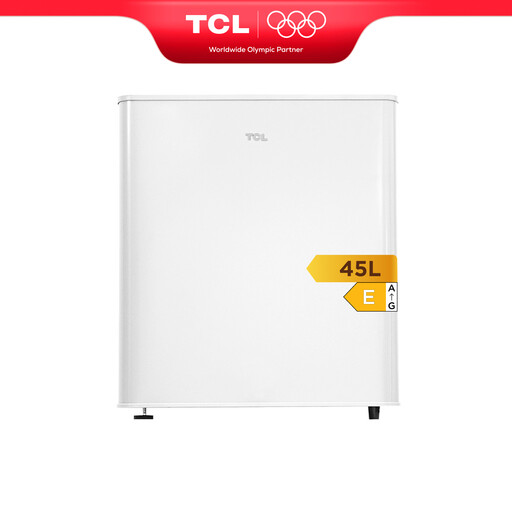
TCL RF60DWE0 table-top fridge, 45 l total
A compact fridge for fixed storage; check that the usable fridge space and layout suit the portions you want to store.
The product name lists a total capacity of 45 l. The fridge also has a freezer compartment, whose space isn’t available for dressing.
View product at Joybuy
 No image available
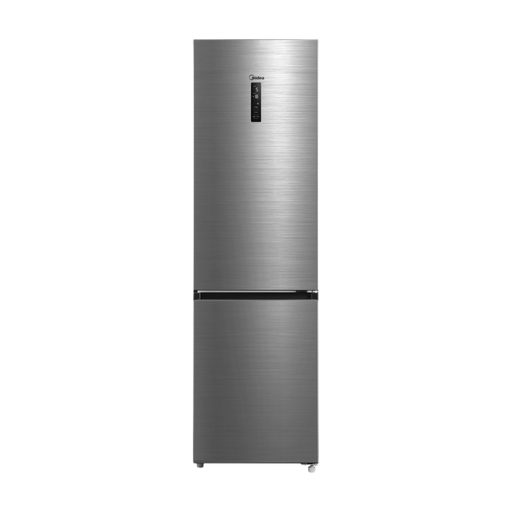
Midea MDRB521MGB02 fridge-freezer
A fridge-freezer may suit fixed storage if you have enough space and its layout works for your needs.
The product name lists a total capacity of 378 l. This total capacity isn’t the same as usable fridge space for dressing; check the layout and measure your containers.
The product name mentions electronic controls, Super Cool and door and temperature alarms. Check which features matter for your intended use.
View product at Joybuy
 No image available
CHiQ JR92DSE compact fridge, 92 l
This compact fridge may suit portions stored in one place; measure the space where the appliance will go and check that the layout works for your containers.
The product name lists a width of 47 cm, seven temperature settings, adjustable glass shelves and a chill drawer.
View product at Joybuy
Frequently asked questions
What temperature should you store homemade dressing at?
The Voedingscentrum recommends setting your fridge to 4 °C. Also check the actual temperature during the workshop: a setting or display alone doesn’t show what temperature the dressing reaches. For selling perishable food at events, the NVWA specifies particular temperature and checking instructions.
What changes if the dressing contains raw egg?
For dishes containing raw egg, the Voedingscentrum recommends keeping them for no more than 24 hours, always in the fridge. This advice applies to dishes containing raw egg and isn’t a general storage period for every type of dressing.
Can a thermoelectric cool box replace a fridge during a warm workshop?
Don’t assume so based on the type of appliance alone. Dometic states that the TCX 21 can cool to a maximum of 27 °C below the ambient temperature; measure it in the conditions in which you’ll use the box to check whether it reaches the required storage temperature.
How can you keep portions of dressing chilled and separate during a workshop?
Return products that need to be kept chilled to the fridge as soon as possible, and use sealed tubs or bottles. Choose a layout you can keep clean, and prevent raw ingredients from contaminating the finished dressing.
Do HACCP, registration and allergen rules apply to every cookery workshop?
Not automatically: the requirements that apply depend on the activity and whether you’re operating as a food business. The NVWA explains HACCP requirements for food businesses, registration requirements including those for direct supply by businesses, and allergen information for sellers of non-prepacked food. If you provide dressing to participants, check which rules apply to your own activity.


