
Vandaag of morgen in huis

Kwaliteit gegarandeerd

Welkomstaanbiedingen ontgrendelen: GRATIS bezorging | Tot 80% korting | Gratis 30 dagen JoyPlus-proefperiode
Download de app
A great salad dressing can transform a simple meal into something special. But the supermarket aisles are lined with bottles that promise more than they deliver. Many dressings are packed with hidden sugars or have a disappointing flavour. As a Product Recommendation Officer at Joybuy, I'll help you make the right choices, so you can find a dressing that truly suits your taste and needs without falling into the usual traps.
Before you put a bottle in your basket, it's wise to be aware of a few common deceptions. This will help you avoid disappointment and save money.
To avoid a bad purchase, there are a few objective specifications you can always check. These will help you see past the marketing and choose a dressing based on facts.
The base of a dressing determines its texture, mouthfeel, and calorie count. The three most common types are:
A quick look at the nutrition facts per 100 ml is essential. A sugar-free dressing or one with low sugar content is a conscious choice.
The order of the ingredients tells you what the dressing contains most of. If water and sugar are listed first, you know that more expensive ingredients like herbs, spices, or real yoghurt are present in smaller amounts. A shorter ingredient list with recognisable products is often a good sign.
Below are a few popular choices, matched to different needs and preferences.
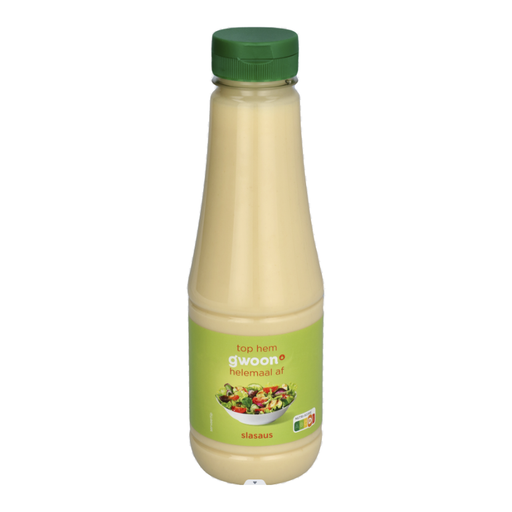
Why This Fits Their Persona: Ideal for families or anyone looking for a reliable, versatile salad dressing for daily use. A no-nonsense product that delivers what it promises without a high price tag.
This dressing avoids the pitfall of limited versatility. Its classic, balanced flavour complements almost any salad and can also be used for grilled dishes.
Large 500 ml bottle for a competitive price. A convenient staple for any kitchen.
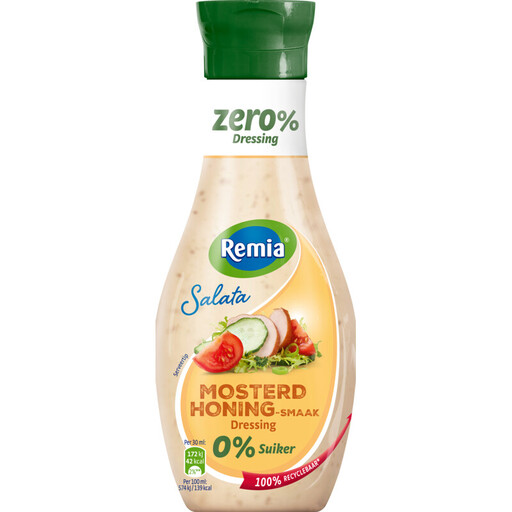
Why This Fits Their Persona: For those who are mindful of their sugar intake but still want to enjoy a creamy and flavourful dressing. This dressing fits perfectly into a sugar-conscious lifestyle.
This product directly tackles the "healthy illusion" trap. The label claims 0% sugar, and the nutrition facts confirm this with only 0.3g of sugar per 100g, derived from natural ingredients.
According to Remia, this dressing contains 100% flavour with 0% sugar. It is gluten-free and uses sweeteners for a pleasant taste without the calories from sugar.
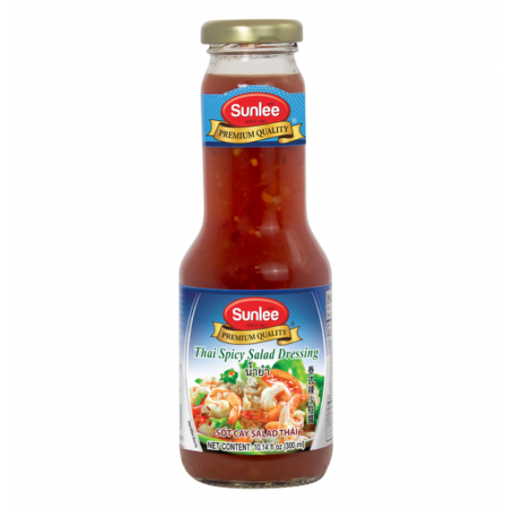
Why This Fits Their Persona: Perfect for those who love to experiment with international flavours. This Thai dressing brings the authentic, spicy, and fresh tastes of Thai cuisine to your own salads, grilled fish, or meat.
This product is highly versatile and sidesteps the one-dimensional dressing trap. It's not just a dressing for a ready-made salad, but also an excellent dipping sauce or marinade.
Authentic Thai flavour with chilli, lime juice, garlic, and fish sauce. Ready to use and easy to pour.
We have compiled a complete, up-to-date list of products that meet these objective selection criteria and current regulations.
1. How long does an opened bottle of salad dressing last? Once opened, a bottle of salad dressing can typically be kept in the refrigerator for several weeks to months. The exact shelf life is always stated on the packaging. Oil and vinegar-based dressings generally last longer than creamy dressings containing dairy or eggs.
2. Can I use salad dressing for more than just salads? Absolutely. A good dressing for salad is often surprisingly versatile. A vinaigrette can serve as a marinade for chicken or fish. A creamy dressing like a honey mustard dressing is delicious on a sandwich or as a dip for vegetables. A spicy Thai dressing adds an extra kick to stir-fry dishes.
3. What is the difference between a vinaigrette and a creamy dressing? A vinaigrette is an emulsion of oil and an acidic ingredient, such as vinegar or lemon juice. Its texture is thin and light. A creamy dressing has a base of, for example, yoghurt, mayonnaise, or cream, which provides a thicker, smoother texture. The choice depends on your personal preference and the type of dish you are making.
