
Vandaag of morgen in huis

Kwaliteit gegarandeerd

Welkomstaanbiedingen ontgrendelen: GRATIS bezorging | Tot 80% korting | Gratis 30 dagen JoyPlus-proefperiode
Download de app
The right salad dressing can transform a simple meal into something special. But with shelves packed with options, it's easy to pick a bottle that doesn't meet your expectations. Many dressings tempt you with attractive labels but hide undesirable ingredients or a disappointing flavour. Before you add a salad dressing to your cart, it's helpful to know what to look for.
We often see consumers run into the same problems:
To avoid a bad purchase, it's useful to check a few basic principles. This will help you find a dressing for salad that fits your taste and lifestyle.
The quality of a dressing starts with its base. Most dressings are an emulsion of an acid (like vinegar or lemon juice) and oil.
For anyone looking for a healthy salad dressing, the nutrition label is essential. Compare products based on the amount of sugar and salt per 100 ml. A sugar-free dressing often uses sweeteners to balance the flavour. Brands like Remia dressing offer specific 'zero sugar' varieties. Check the ingredients list to see which sweeteners are used.
Thickeners like xanthan gum (E415) or guar gum (E412) are used to give the dressing a stable and creamy texture. There's nothing wrong with this, but if you're looking for a product with an ingredient list that is as 'clean' as possible, you can opt for a vinaigrette that is naturally thinner or a dressing based on yoghurt or mayonnaise.
Based on objective product features, we have selected a number of options that suit different needs and preferences.
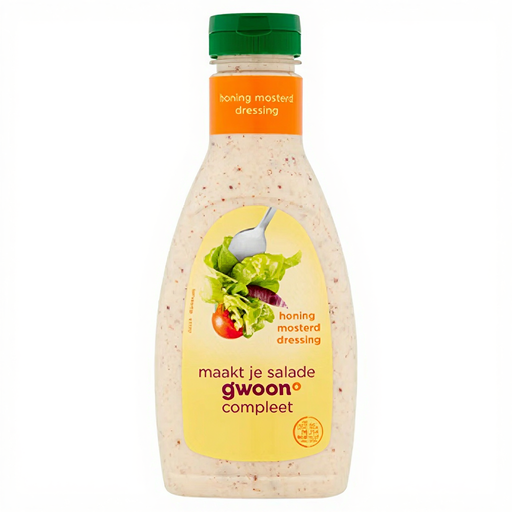
Why This Fits Their Persona: For families, convenience and an approachable flavour are key. This classic honey mustard dressing is creamy and sweet-and-tangy, a combination that is often a hit with both adults and children. The large 450 ml bottle is practical for regular use.
This is a straightforward choice. The label is clear about its ingredients, including sugar (14.1 g per 100 ml). Knowing this allows you to manage portion sizes consciously and avoid the 'hidden' sugar trap.
Versatile flavour for salads, sandwiches, or as a dip. The convenient squeeze bottle makes portioning easy.
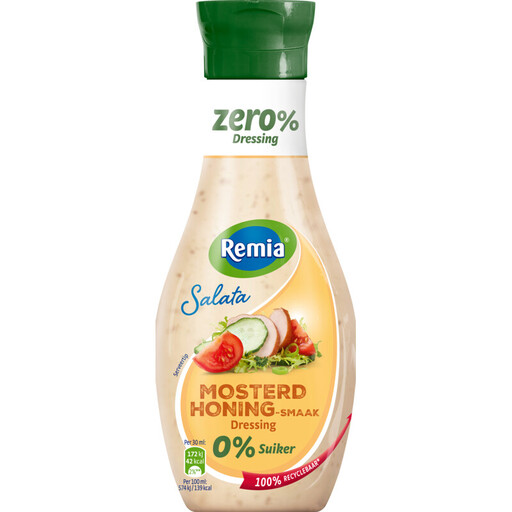
Why This Fits Their Persona: This person actively watches their sugar intake and seeks a healthy salad dressing without compromising on taste. Remia's 'zero%' claim directly meets this need, offering the creamy taste of a honey mustard dressing without the sugars.
This product tackles the 'hidden sugar' trap head-on. It is explicitly a sugar-free dressing. The ingredients list clearly states the use of sweeteners (erythritol and sucralose) instead of sugar, providing complete transparency.
Contains 0% sugar and is gluten-free. It offers a creamy taste comparable to traditional dressings but with significantly fewer carbohydrates (7.3 g vs. 14.1 g in the G'woon variant).
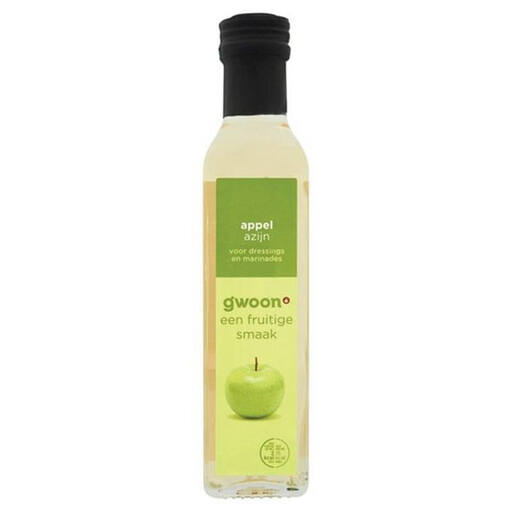
Why This Fits Their Persona: The home cook wants complete control over flavour and ingredients. A bottle of pure apple cider vinegar is the perfect foundation. It allows them to create their own vinaigrette, tailored to the dish, with their favourite oil, herbs, and a pinch of salt and pepper.
By buying a base ingredient, you bypass all the pitfalls of ready-made dressings. No hidden sugars, no unwanted thickeners, no watery base. You control the quality and the ratios yourself.
A pure product made from fermented apple juice with no artificial additives. Offers maximum flexibility for creating your own dressing for salad.
We have compiled a complete, up-to-date list of products that meet these selection criteria and current regulations.
The shelf life of an opened bottle of salad dressing depends on its ingredients. Dressings based on vinegar and oil generally last longer than creamy dressings containing egg or dairy. Always consult the label for specific storage instructions. As a general rule: store the bottle in the refrigerator after opening and use your senses. If the colour, smell, or texture changes, it's time to discard the bottle.
A vinaigrette is traditionally a mixture of oil and an acid (like vinegar or lemon juice), often in a ratio of about three parts oil to one part acid, seasoned with salt, pepper, and herbs. It is a thin, clear dressing. Creamy dressing (or slasaus in Dutch) is a broader term that often refers to a creamier, whiter, and milder dressing, similar to the G'woon slasaus. These often contain more ingredients like egg yolk, sugar, and thickeners.
Absolutely. For a lighter dressing, you can replace oil with other ingredients. A base of (Greek) yoghurt or quark, mixed with lemon juice, fresh herbs, garlic, and a bit of mustard, creates a creamy and flavourful dressing with fewer calories. Puréed avocado or a splash of orange juice can also serve as a base for a fresh, oil-free dressing.
