
Vandaag of morgen in huis

Kwaliteit gegarandeerd

Welkomstaanbiedingen ontgrendelen: GRATIS bezorging | Tot 80% korting | Gratis 30 dagen JoyPlus-proefperiode
Download de app
Sakura products appeal thanks to their delicate floral fragrance, distinctive packaging and association with Japanese culture. However, an image of cherry blossom doesn’t always tell you about a product’s ingredients, origin or how to use it. If you’re searching online for sakura products, cherry blossom products or Japanese gifts, it’s worth checking the product information alongside the marketing copy.
The biggest differences often aren’t in the appearance, but in the ingredients, quantity, allergens, shelf life and how you use the product.
The term sakura or cherry blossom can refer to a fragrance, flavour or design. That doesn’t automatically make a product Japanese. For example, a drink might have a cherry blossom flavour even though it comes from somewhere else. So always check the country of origin and the company responsible for the product.
For Japanese products such as Ramune or castella, there’s also a difference between a product from Japan and one with a Japanese style. The product page should make this clear.
Sakura cosmetics, cherry blossom deodorant and home fragrances often contain perfume. For products you use on your skin, check the full ingredients list. The Dove deodorant with matcha and sakura lists linalool, citral, citronellol and limonene, among other ingredients. These are fragrance components that may be relevant to some users.
A claim such as ‘mild’ or ‘caring’ is no substitute for reading the ingredients. Try a new product carefully, following the instructions, and stop using it if irritation occurs.
A 1000 ml shampoo may seem attractive per millilitre, but it only suits your needs if you use it regularly and have enough storage space. For snacks and sakura drinks, a smaller pack can be more practical if you want to try the flavour first.
Also look out for packs containing individually wrapped portions, such as Japanese cakes sold in packs of three. Individual wrapping can make them easier to keep fresh and take with you, but always check the date and storage instructions.
First, distinguish between product categories:
The Dove deodorant is described as an anti-perspirant and contains aluminium sesquichlorohydrate. Marcel’s GREEN SOAP, on the other hand, is a 40-gram deodorant stick which, according to the product information, is aluminium- and alcohol-free. If you’re only searching by fragrance, you could miss this important difference.
For sakura snacks and drinks, the ingredients and nutritional values matter more than the colour of the label. Check:
The ingredients list for JP Hatakosen Ramune Sakura Soda includes carbonated water, sugar, glucose-fructose syrup and flavouring, among other ingredients. According to the product information, the drink contains none of the 14 main EU allergens. Check the packaging when you buy, as labelling can change.
Claims such as ‘natural’, ‘hydrating’, ‘long-lasting’ or ‘suitable for sensitive skin’ should be considered in the context of the product information. For example, according to the product page, Dove states that its formula contains 0% alcohol and a quarter moisturising cream. This is information from the brand or seller, not a general guarantee for every user.
With home fragrances, it’s also important to distinguish between the fragrance experience and safety information. The At Home Cherry Blossom air freshener spray contains 400 ml and is designed to mask or neutralise unwanted odours in rooms. According to the instructions, the spray must not be applied directly to surfaces or fabrics.
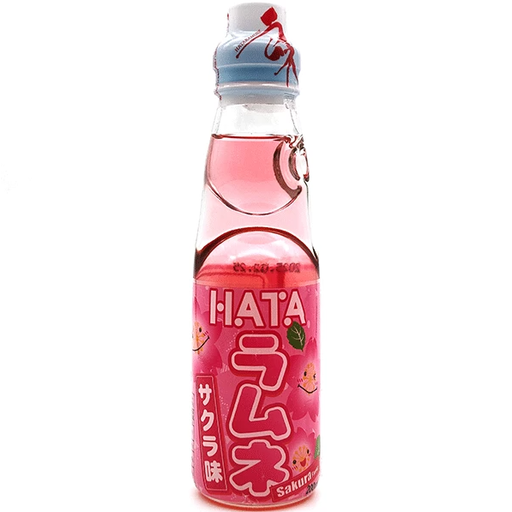
Why it suits this profile: At 200 ml, it’s an easy introduction to sakura drinks and the iconic Ramune bottle.
The flavour, ingredients, nutritional values and storage advice are listed, so you don’t have to rely on the sakura design alone.
200 ml; carbonated soft drink; Codd-neck bottle with a marble; according to the product information, contains none of the 14 main EU allergens.
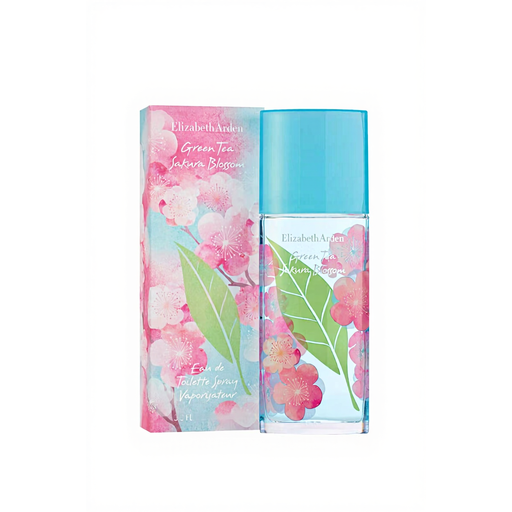
Why it suits this profile: This perfume is a good fit for shoppers looking for a refined floral fragrance with green tea, citrus notes, Japanese cherry blossom and musk.
The fragrance notes and ingredients are available, so you can check the fragrance components rather than choosing based on the name Sakura Blossom alone.
100 ml; floral, green fragrance profile; notes of bergamot, green tea, Japanese cherry blossom, peony and jasmine.
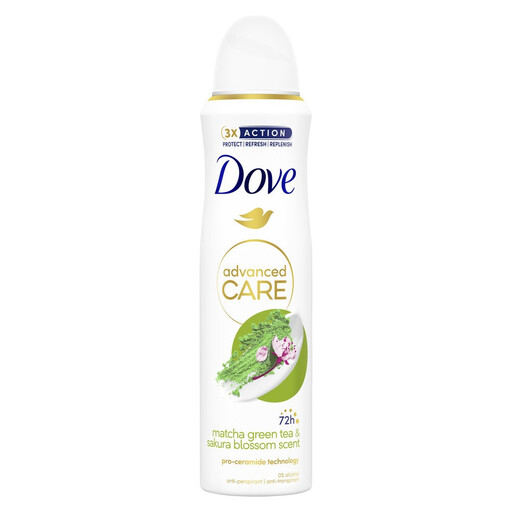
Why it suits this profile: A practical choice if you’re looking for a spray format for everyday use, with a blend of matcha and sakura fragrances.
The product type, quantity, 0% alcohol claim and ingredients list are clearly shown. This makes it clear that it’s an anti-perspirant with an aluminium salt.
150 ml; spray format; matcha green tea and sakura fragrance; product information states 0% alcohol.
Compare products by quantity, ingredients, origin, allergens and intended use. Packaging and portion size may be important when choosing a gift. For everyday use, dosage, shelf life and refill options matter more.
For home fragrance products, you should also check the safety warnings. An At Home automatic refill contains 250 ml and is designed for a specific automatic spray system. Check which device you have before buying, so you can make sure the refill will fit.
We’ve put together a complete, up-to-date list of products that meet these strict selection criteria and current European safety requirements.
Popular choices include sakura cosmetics, cherry blossom deodorant, sakura snacks, Japanese cake, matcha and sakura drinks, and cherry blossom air fresheners. The right choice depends on how you plan to use it: for eating, personal care, perfume or home fragrance.
It varies by product. Some castella and cake products need to be kept refrigerated, while others can be stored unopened in a cool, dry place. Always check the best-before date and the instructions on the packaging. Once opened, the recommended storage time may be shorter.
Not necessarily. Fragrance products can contain fragrance allergens, and air fresheners sometimes carry specific safety warnings. Check the ingredients and instructions before buying. If you’re unsure about using a product on your skin, one without any known irritating ingredients isn’t automatically suitable; individual sensitivities still matter.
