Don’t choose rye bread if your toddler needs to follow a strict gluten-free diet because of coeliac disease: rye contains gluten. Bread labelled gluten-free is a good fit for a familiar sandwich-style breakfast; for a change, you could consider a gluten-free grain product. Always check the current packaging, and if you make a lasting change to breakfast, consider your child’s diet throughout the day too.
Who is this choice relevant to?
Parents of a toddler who needs to eat strictly gluten-free
Rye bread is not suitable for a toddler with coeliac disease, as rye contains gluten. The gluten-free label, ingredients and allergen information on the current packaging matter more than how dark or high in fibre a loaf looks.
Parents who want to keep sandwiches on the menu
If bread is a familiar part of breakfast, you can look for a type labelled gluten-free. Albert Heijn and Jumbo list these products in their online ranges; check the packaging and availability at your local shop before buying.
Parents who want to add variety to breakfast
If your toddler would rather eat something other than bread, the Netherlands Nutrition Centre lists porridge and yoghurt with grains among the breakfast options for young children. If breakfast needs to be strictly gluten-free, check that the grains you choose are labelled gluten-free too.
What should you look for when choosing?
When replacing rye bread, first decide whether a strict gluten-free diet is essential. Then choose between a familiar type of bread and a different grain-based breakfast, and consider what that choice means for your child’s daily diet.
Rye bread
When: Only consider it if a strict gluten-free diet is not needed.
Limitations: Rye contains gluten; choosing a wholemeal or high-fibre version does not change that.
Bread labelled gluten-free
When: If a sandwich with a topping fits well into your breakfast routine.
Limitations: Check the current packaging; don’t assume it has the same nutritional value as the bread you’re replacing.
Gluten-free breakfast cereals
When: If porridge or yoghurt with grains is more practical than bread.
Limitations: If your child needs to eat strictly gluten-free, oats must also be labelled gluten-free; eating less bread means paying attention to their diet throughout the day.
| What to consider |
What to check when buying |
Who it’s most relevant to |
| Strictly gluten-free |
Don’t choose rye bread; check the gluten-free label, ingredients and allergen information on the packaging. |
If my toddler can’t eat gluten because of coeliac disease, I want to choose a breakfast without relying on the colour or name of the bread. For around 42% of consumers, gluten-free suitability is the top priority. |
| Nutritional information and type of food |
Compare fibre, sugars and salt on the label; if your child eats less bread, consider their diet throughout the day too. |
My toddler doesn’t always like sandwiches, so I’m looking for something that works for breakfast without losing sight of the rest of their diet. For around 33% of consumers, this combination is the top priority. |
| Routine and availability |
Check current stock and product type; if you’re packing food to take along, ask about the school or childcare setting’s allergy policy too. |
An alternative needs to fit our morning routine and be available when I do the shopping. Around 25% of consumers put this practical choice first. |
Common mistakes
-
Assuming rye bread is gluten-free
Under Commission Implementing Regulation (EU) No 828/2014, rye is one of the cereals that contain gluten. So dark, wholemeal or high-fibre does not mean gluten-free.
Leave rye bread off the menu for a strictly gluten-free breakfast and check that the alternative is labelled gluten-free.
-
Assuming all oats are gluten-free
For oats in products presented as gluten-free, Commission Implementing Regulation (EU) No 828/2014 sets conditions for production and processing to prevent contamination with cereals containing gluten.
If your child has coeliac disease, choose an oat product labelled gluten-free and read the current label.
-
Assuming a gluten-free alternative is nutritionally identical to bread
According to the Netherlands Nutrition Centre, bread provides fibre, iron and iodine, among other nutrients. A different breakfast choice won’t automatically have the same nutritional value.
Compare the nutritional information, and if your child regularly eats less bread, consider their diet throughout the day. If you have concerns about a toddler following a strict gluten-free diet long term, speak to a dietitian or healthcare professional if needed.
-
Assuming an online shop listing means an item is always in stock
Albert Heijn and Jumbo list gluten-free bread products online, but ranges and product information can change. Lidl notes that additional gluten-free products are not always available.
Check stock at your local shop and read the packaging again when you buy, even if you’ve bought the product before.
Brands to consider
Schär
Albert Heijn and Jumbo list various gluten-free types of bread from Schär online, including Meesterbakker products.
- A range of bread types makes it easier to find one that suits your breakfast routine.
- Check the current ingredients, allergen information and availability for each product.
Albert Heijn
Albert Heijn’s online range includes various own-brand gluten-free loaves and white rolls.
- You can compare different types of bread within the same shop’s range.
- An online listing doesn’t mean a product will suit every toddler or be available at your local shop.
Consenza
Albert Heijn lists a gluten-free seed bread with chia from Consenza online.
- A type of bread to consider if you’re specifically looking for seed bread.
- Check the packaging and decide whether this type of product suits the way your toddler eats.
Products for a gluten-free bread breakfast
These products are options for a bread-based toddler breakfast: one is a mini baguette, while the other is a gluten-free bread mix that you prepare first. Check the current packaging for both before using them for a strictly gluten-free breakfast.
 No image available
Gv Mini Baguette, 7 pieces
An option to consider if you’re looking for a smaller type of bread for your toddler’s breakfast. Check the packaging for the exact product type, any preparation steps, the gluten-free label and allergen information. You’ll also need to decide what portion size and texture are right for your toddler.
View on Joybuy
 No image available
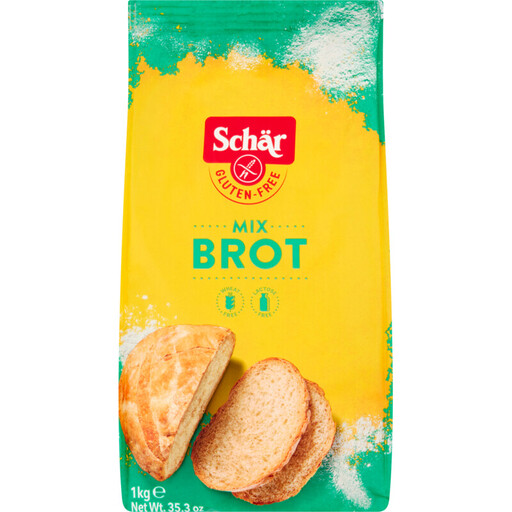
Schär Mix B gluten-free bread mix, 1 kg
For anyone who’d rather make their own bread than buy ready-to-eat bread. Follow the preparation instructions and check the current gluten-free label, ingredients and allergen information on the packaging. Choose a suitable portion size and texture for your toddler.
View on Joybuy
Frequently asked questions
Is rye bread gluten-free?
No. Rye contains gluten, so rye bread is not suitable for a strictly gluten-free breakfast for a toddler with coeliac disease. Choose an alternative with a clear gluten-free label and check the current packaging.
Can I use ordinary porridge oats as a gluten-free alternative?
If your child has coeliac disease, choose porridge oats labelled gluten-free rather than just any oat product. Commission Implementing Regulation (EU) No 828/2014 sets conditions for the production and processing of oats in products presented as gluten-free.
Should I think about iodine if my child eats less bread?
Yes. If bread is regularly replaced, consider iodine as part of your child’s diet throughout the day. According to the Netherlands Nutrition Centre, bread contributes to iodine intake in the Netherlands; don’t assume every gluten-free alternative provides the same amount.
Does all bread in the Netherlands contain iodised baker’s salt?
Don’t assume so without checking. Information from the Netherlands Food and Consumer Product Safety Authority on the use of baker’s salt in bakery products doesn’t tell you which salt was used in an individual loaf. Check the ingredients list or ask the baker.


