Who is this choice relevant to?

Families with coeliac disease and a fussy eater

They’re looking for a gluten-free alternative for lunch, when rye bread might otherwise be on the table. According to the Voedingscentrum, rye contains gluten. Taste and texture then help determine which suitable alternative the eater is willing to try.

Bread eaters who are sensitive to texture

They want to choose between soft white bread and a seeded option or one with a firmer texture. The product description for Schär Meesterbakker classic at PLUS calls it a soft white loaf, but that doesn’t tell you how other breads will feel.

Families replacing bread every day

They also consider pack size, storage, allergens and the role of bread in their diet. According to the Voedingscentrum, baker’s salt contains iodine, but bakers don’t have to use it.

What should you look for when choosing?

If you have coeliac disease, first check the gluten-free label, ingredients and allergen information. Only then compare the texture and convenience of the breads that might be suitable.

What to considerWhat to check when buyingWho it matters to
Gluten-free option Check the ‘gluten-free’ label, ingredients, allergen information and cross-contamination details on the current packaging. When I’m choosing bread for someone with coeliac disease, I want to rule out rye before considering taste or convenience. Around 42% of consumers check this first.
Taste and texture Compare a soft white option with bread containing seeds; check the product description and ingredients. If seeds or a firm bite aren’t accepted, I’d rather start with a white slice. For around 33% of consumers, this mouthfeel is the deciding factor.
Everyday use Check the pack size and storage instructions, see what your local shop stocks, and find out whether iodised salt has been used. If I’m replacing bread every day, I want to be able to store portions and buy the same product again. Around 25% of consumers prioritise this practical consideration.

Common mistakes

  • Assuming rye bread is gluten-free

    According to the Voedingscentrum, rye contains gluten. A dark colour or high-fibre appearance doesn’t change that.

    If you have coeliac disease, choose an alternative labelled ‘gluten-free’ and check the ingredients list too.

  • Choosing seeded bread without considering the texture

    An eater who rejects seeds or a firm bite may not want to eat a multiseed loaf, even if it is correctly labelled gluten-free.

    If they’re particularly sensitive to texture, start with a white option and only try seeded bread once they’re happy with that texture.

    A large pack that goes uneaten can lead to waste.

  • Assuming all bread contains iodised salt

    The Voedingscentrum says that bakers aren’t required to use baker’s salt. So if you’re replacing ordinary bread, the ingredients in its gluten-free alternative are worth checking.

    Look for baker’s salt or iodised salt on the label. If you have questions about your diet while following a medically necessary gluten-free diet, speak to a specialist dietitian.

  • Assuming an online range matches what’s in store

    A bread shown online isn’t necessarily available locally. Albert Heijn and PLUS also point out that product information can change.

    Check what’s currently available, and read the packaging of the product you actually buy before eating it.

Brands and supermarket ranges to explore

Albert Heijn

Albert Heijn’s online range includes gluten-free white bread and seeded options.

  • According to the product page, its gluten-free light multiseed bread contains linseed, sunflower seeds and pumpkin seeds, and is suitable for freezing.
  • Albert Heijn warns that ingredients and allergen information may change, so check the current packaging.

Jumbo

Under its own Lekker Vrij van Gluten brand, Jumbo lists 500 g white and brown loaves, as well as other types of bread.

  • The white and brown options give you a useful starting point for comparing product descriptions.
  • Check availability at your local shop and the current ingredients for each product.

PLUS

PLUS lists gluten-free white, brown and multiseed bread online.

  • These different types make it easier to look for the texture you want within the same range.
  • PLUS says that ingredients, nutritional values and allergen information may change, so check the packaging.

Dirk

Dirk’s search results show several gluten-free bread products, including options from Schär.

  • The types of bread shown give you a starting point for comparing products more closely.
  • Read the full product information for your chosen option and check local availability.

Lidl

Lidl describes its gluten-free range, but its Dutch website doesn’t name a specific bread as a regular replacement for rye bread.

  • The range can be a useful starting point for checking what’s available locally.
  • Before planning a meal, check whether a suitable bread is available and what the label says.

ALDI

ALDI lists gluten-free rolls among its bake-off breads and snacks at shops with an in-store bakery.

  • Rolls are another option to consider if slices of bread aren’t accepted.
  • For the specific option, check the preparation instructions, gluten-free label and allergen information.

Bread alternatives and a baking mix on Joybuy

These products offer two ways to replace rye bread: bake your own gluten-free bread using a mix, or consider small portions of bread. Before planning a meal around the rolls, check their product type and preparation instructions.
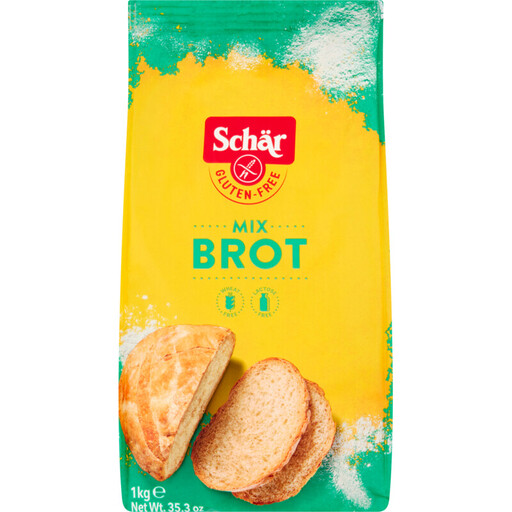
Schär Bread Mix-Mix B Gluten Free, 1 kg

Schär Bread Mix-Mix B Gluten Free, 1 kg

A gluten-free bread mix for anyone who wants to bake at home and choose their own portion sizes. According to the product description, you can knead the mix by hand or use it in a bread machine, but baking does require some preparation. The listed ingredients include soya and lentil flour. Check the current packaging for allergen and cross-contamination information, and see whether iodised salt has been used if this matters to your usual diet.

View on Joybuy

Gv Baguette Mini, 7 pieces

Gv Baguette Mini, 7 pieces

Worth considering if small portions of white bread would work better with a meal than slices. The product descriptions give conflicting information about the exact product type and preparation, so check the packaging and instructions before buying. The listed allergen information mentions soya and possible traces of lupin and mustard. Before eating, check the current gluten-free label and allergen information.

View on Joybuy

Frequently asked questions

Is ordinary rye bread suitable for someone with coeliac disease?

No. According to the Voedingscentrum, rye contains gluten. For lunch, look for an alternative labelled ‘gluten-free’ and check the ingredients and allergen information for the product you choose.

What does ‘gluten-free’ mean on a bread packet?

According to Commission Implementing Regulation (EU) No 828/2014, a food labelled ‘gluten-free’ may contain no more than 20 mg of gluten per kg. When choosing bread for someone with coeliac disease, look for this label on the current packaging rather than relying on the bread’s colour or name.

Should I choose white bread or a seeded option?

Start with a soft white option if the eater rejects seeds and a firm texture. Consider seeded bread if they’re happy with that texture. PLUS describes Schär Meesterbakker classic as a soft white loaf, while Albert Heijn says its gluten-free light multiseed bread contains linseed and seeds. Check the current label for each option separately.

How should I store bread if only small portions are eaten?

Follow the storage instructions for the bread you choose, and check whether it can be frozen. Albert Heijn says its gluten-free light multiseed bread is suitable for freezing; don’t assume the same applies to other products.

Does gluten-free bread always contain iodised salt?

No. According to the Voedingscentrum, baker’s salt contains iodine, but bakers aren’t required to use it. Check the packaging or ask the manufacturer if you’re replacing ordinary bread in your everyday diet.
