
People who need to eat gluten-free
If you have coeliac disease or need to follow a gluten-free diet, ordinary rye bread is not an option, even if it contains no wheat. The Netherlands Nutrition Centre classifies rye as a gluten-containing grain.


Ordinary rye bread is not suitable for a gluten-free diet: rye itself is a gluten-containing grain. If you can eat rye but avoid, for example, wheat or barley, compare products by checking their full ingredients lists and allergen information. Terms such as organic, artisan and sourdough do not, on their own, tell you whether a product is suitable for someone with an allergy.
If you have coeliac disease or need to follow a gluten-free diet, ordinary rye bread is not an option, even if it contains no wheat. The Netherlands Nutrition Centre classifies rye as a gluten-containing grain.
If wheat or barley does not suit you, the exact recipe matters more than the name rye bread. Product listings from Albert Heijn and Jumbo show varieties containing wheat or barley, as well as one that lists rye as its grain.
If you are buying for yourself or someone else, you need the information on the actual packaging. Check the ingredients, allergen information and any warnings about possible cross-contamination; the Netherlands Nutrition Centre stresses the importance of checking the label when dealing with a food allergy.
First, establish whether rye itself is suitable for your diet. Only then is it worth comparing rye breads for additional grains and packaging information.
| What to consider | What to check when buying | Who it is most relevant to |
|---|---|---|
| Gluten in rye | If you follow a gluten-free diet, look for bread explicitly labelled gluten-free; do not consider ordinary rye bread an alternative. | If I need to eat gluten-free, ordinary rye bread is not an option because rye contains gluten. Around 46% of consumers make this their primary requirement when buying. |
| Additional grains | Check the ingredients and allergen information for wheat and barley, including wheat bran, wheat flour and malted barley. | I can eat rye but want to avoid another grain, so I need to be able to distinguish between the varieties available. This recipe-related question matters most to around 36% of consumers. |
| Current packaging | Check the label on the product you are buying, including any cross-contamination warnings and storage instructions. | If I need to take several allergens into account, I want to check the information on the packaging before eating the bread. This is the main concern for around 18% of consumers. |
Avoiding wheat is not the same as avoiding gluten: according to the Netherlands Nutrition Centre, rye also contains gluten.
If you follow a gluten-free diet, look for bread explicitly labelled gluten-free rather than choosing ordinary rye bread.
Organic, artisan and sourdough do not tell you which allergens a bread contains. Product listings from Albert Heijn and Jumbo show rye breads containing wheat or barley as well as rye.
For the exact variety you want to buy, check both the ingredients list and the allergen information.
If you have an allergy, your choice should be based on the information on the packaging you actually have in front of you. A previous purchase or online product description is no substitute for checking it.
Check the label again before eating the bread, and look out for any warnings about possible cross-contamination.
According to Albert Heijn, Bolletje Frisian rye bread contains wheat bran and wheat flour; Jumbo also lists wheat in its light wholemeal variety. The brand name alone does not give you the full picture of the recipe.
Check each variety you choose against the ingredients you need to avoid.
The differences below apply to the varieties listed, not necessarily to every rye bread from the same brand.
The organic variety described by Albert Heijn contains wholegrain rye and linseed.
The dark sourdough variety reviewed combines rye with malted barley.
The Frisian and light wholemeal varieties described contain both rye and wheat ingredients.
Jumbo describes a 500 g artisan Frisian variety.
PLUS lists several varieties under this name, including wholemeal, Frisian and Oberländer wheat-and-rye bread.
These mini baguettes and bread mix are alternatives for anyone who is not choosing ordinary rye bread, not rye breads to compare with one another. Check the packaging to see whether a product is suitable for the allergens you avoid.
 No image available
An option to consider if you are looking for bread rolls rather than rye bread; the pack contains seven mini baguettes. Before deciding whether they suit your diet, check the current ingredients and allergen information on the packaging.
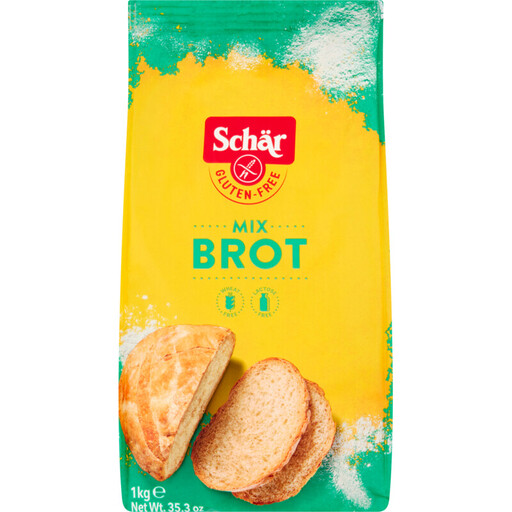 No image available
A 1 kg bread mix for anyone who wants to make their own bread rather than buy rye bread. The product name says Gluten Free; also check the current ingredients, allergens and any warnings on the packaging.
No, ordinary rye bread is not gluten-free. The Netherlands Nutrition Centre lists rye as a gluten-containing grain; if you follow a gluten-free diet, look for bread explicitly labelled gluten-free.
No, wheat-free does not mean gluten-free if the bread contains rye. The Smaakt variety described by Albert Heijn as wheat-free still lists rye and gluten-containing grains as allergens.
Compare the ingredients and allergen information for the specific rye bread variety. The product listings reviewed include examples with wheat bran or wheat flour, and a sourdough variety with malted barley; none of these differences make rye bread gluten-free.
Take any warning about possible cross-contamination into account when assessing the product, and check the current packaging. The Netherlands Food and Consumer Product Safety Authority describes rules that have applied since 1 January 2026 for how and when such warnings are used on labels; the absence of a warning does not, on its own, guarantee that every risk has been ruled out.
No, you cannot tell from the type of product alone. The Netherlands Food and Consumer Product Safety Authority says that iodine compounds may be present in bread and other bakery products; check the ingredients of the specific bread or ask the manufacturer if iodine content is important to your choice.