
If you want to serve a traditional new-baby treat
You’re looking for a light rusk that lets the aniseed sprinkles take centre stage, without a pronounced seedy texture. Jumbo describes rusks with aniseed sprinkles as a Dutch birth tradition.


Choose a light, classic rusk if you want the aniseed sprinkles to take centre stage. A bakery-style option is a good choice if you’re specifically looking for a different recipe; Bolletje describes its Bakkers Beschuit as extra crisp and airy. Wholemeal and multiseed rusks offer a more pronounced grainy or seedy texture, but check the ingredients on both the rusk and the topping you serve to your guests.
You’re looking for a light rusk that lets the aniseed sprinkles take centre stage, without a pronounced seedy texture. Jumbo describes rusks with aniseed sprinkles as a Dutch birth tradition.
For a visit to meet the new baby, you might want to choose between a bakery-style recipe and a rusk with more grains or seeds. Bolletje describes its Bakkers Beschuit as extra crisp and airy; its multiseed version contains ingredients including sesame seeds and pumpkin seeds. These options offer different flavours and textures, so they’re not interchangeable.
You’ll want to know which grains, seeds and allergens are in the treat. The varieties described here include ingredients such as egg and sesame; it’s also worth checking the label on the aniseed sprinkles.
First decide whether you want a light base for your rusks with aniseed sprinkles or a more pronounced grainy or seedy texture. Then check the current labels of everything you’re serving.
| What to consider | What should you check? | Who is this most important for? |
|---|---|---|
| Light presentation | Compare a classic rusk with a bakery-style option in terms of recipe, size and the texture you’re after. | When visiting a new baby, I want the aniseed sprinkles to take centre stage on a light rusk. For around 33% of consumers, that celebratory presentation would be the main consideration. |
| Wholemeal and seeds | Read the list of grains and seeds, and compare the fibre content listed per 100 g. | If I’d rather serve a rusk with a more pronounced grainy or seedy texture, I accept that the base will be less neutral. Around 25% of consumers would choose mainly on that basis. |
| Ingredients and allergens | Check the allergen information and any warnings about traces on the packaging of both the rusks and the topping. | When serving guests with dietary restrictions, I need to make sure the whole treat is suitable for them. Suitability would be the main consideration for around 25% of consumers. |
| Availability | Check whether your chosen variety is available at your shop and how many rusks are in the pack. | If I’m buying rusks for several visitors, I want to be sure I can actually get the variety I’ve chosen. Availability would be the deciding factor for around 17% of consumers. |
A bakery-style recipe, a light classic rusk and a multiseed variety suit different preferences. A different recipe alone doesn’t tell you whether it’s suitable for all your guests.
First choose the texture you want to serve, then read the ingredients for that particular variety.
Albert Heijn lists wheat starch and the allergens wheat and gluten in De Ruijter pink and white aniseed sprinkles. So checking the rusks alone isn’t enough if those ingredients need to be avoided.
Before serving, also read the current labels on the aniseed sprinkles and any spread you plan to use.
The multiseed rusk described here contains sesame seeds, while the dark wholemeal variety lists several grains. Both differ in composition from a light, classic rusk.
Make it clear which variety you’re serving, and check the ingredients on each pack to make sure they’re suitable for your guests.
A listing for salt among the ingredients doesn’t tell you which type of salt was used in that particular rusk or how much iodine the finished product contains.
Don’t assume it contains iodine unless this is explicitly stated on the packaging for that product or confirmed by the manufacturer.
Bolletje offers Echte Beschuit, Bakkers Beschuit, as well as wholemeal and multiseed varieties.
Its category listings include classic, multiseed and wholemeal rusks from various brands.
Alongside other brands, Jumbo lists its own varieties, including multigrain and spelt rusks.
Lidl Netherlands lists a 140 g wholemeal rusk.
ALDI lists both plain and wholemeal rusks under its Goud Gebakken range.
This selection includes a plain option and Bolletje varieties with a classic, wholemeal or seedy base. Choose rusks for aniseed sprinkles according to the texture you prefer, and check the packaging if ingredients or allergens matter for your guests.
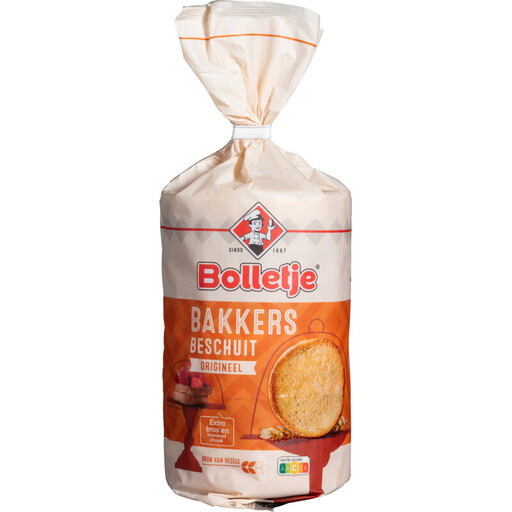 Image unavailable
Bolletje rusks for anyone who wants to serve aniseed sprinkles on a rusk from this pack.
The pack contains 10 pieces. If you’re catering for guests with allergies, check the ingredients on the current packaging.
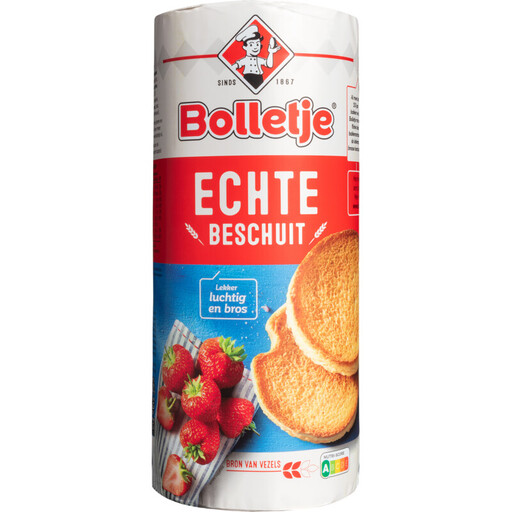 Image unavailable
A classic rusk option for anyone looking for a base for aniseed sprinkles.
The pack contains 13 pieces. Read the current label before serving the rusks to guests with dietary restrictions.
 Image unavailable
For anyone who would rather serve aniseed sprinkles on a wholemeal rusk than a classic plain variety.
The pack contains 13 pieces. If the ingredients affect your choice, compare the nutritional information and ingredients on the packaging.
 Image unavailable
For anyone who specifically wants to choose a multiseed variety for rusks with aniseed sprinkles.
The pack contains 10 pieces. Before serving these to guests, check the seeds and allergen information on the current label.
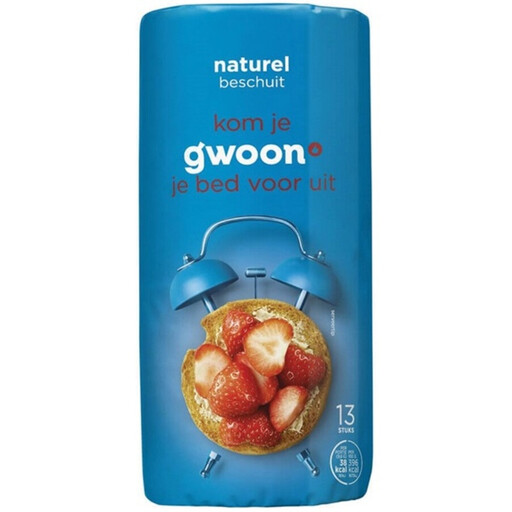 Image unavailable
Plain rusks for anyone who wants to serve aniseed sprinkles on a simple base.
The pack contains 125 g. Even with plain rusks, don’t assume they’re suitable for guests with allergies without checking the label.
A light, classic rusk is a good choice if you want the aniseed sprinkles to take centre stage. If you’re specifically looking for a bakery-style recipe, Bolletje describes its Bakkers Beschuit as extra crisp and airy; just check that the ingredients are suitable for your guests.
No, it depends on the texture and ingredients you want to serve. A wholemeal or multiseed variety provides a different base from a classic light rusk. Read the list of grains and seeds, and compare the nutritional information per 100 g if needed.
Check the labels on the rusks, the aniseed sprinkles and any spread you plan to use. The rusk varieties described here differ in ingredients including egg, grains and sesame; Albert Heijn lists wheat and gluten in De Ruijter pink and white aniseed sprinkles.
No, the word ‘salt’ alone doesn’t confirm the iodine content of a particular pack of rusks. Look for an explicit statement on the packaging, or ask the manufacturer about that specific variety.