
Fussy sweet-breakfast eater
Wants to keep their familiar chocolate sprinkles and is considering a different rusk base, but cares about taste and crunch.


Choose wholemeal rusks if you’re mainly looking at the fibre in the base, but assess the chocolate sprinkles separately: changing the rusk won’t alter the topping’s ingredients. For a fussy eater, you can keep the familiar sprinkles while comparing the rusks; if there’s an allergy, always check the latest labels on both products.
Wants to keep their familiar chocolate sprinkles and is considering a different rusk base, but cares about taste and crunch.
Is looking for wholemeal rusks as a base for a sweet breakfast and comparing the fibre content of different rusks.
Checks the sugars, saturated fat, sweeteners and allergens in both the chosen rusks and chocolate sprinkles before serving them together.
First decide which quality matters most for your breakfast. Then compare the rusks and chocolate sprinkles separately: a wholemeal base and a different topping meet different needs.
| What to consider | What should you check? | Who does this matter most to? |
|---|---|---|
| Familiar taste | Compare the type and size of the rusks; keep the topping the same if you only want to change the base. | If the familiar sweet topping is important for getting breakfast accepted, I don’t want to change the topping at the same time. For around 33% of consumers, that familiar taste would be the top priority. |
| Fibre in the base | Check whether the rusks are wholemeal and compare the fibre per 100 g on the packaging. | For a sweet breakfast, I mainly want to compare the fibre in the rusk base without suggesting that the chocolate sprinkles have a different composition. This would be the main priority for around 42% of consumers. |
| Sugars and ingredients | Compare sugars per 100 g and per serving, and check the ingredients and allergens in both products. | When putting this combination together, I first want to know what’s in the topping and the rusks, especially if sweeteners or allergens matter to me. Around 25% of consumers would make this their top priority. |
Wholemeal rusks and chocolate sprinkles each have their own nutritional profile. According to the Netherlands Nutrition Centre, wholegrain products contain more fibre than white varieties, while chocolate sprinkles contain sugar and saturated fat.
First compare the rusks for wholegrain ingredients and fibre, then choose the type and amount of chocolate sprinkles separately.
A chocolate sprinkle variety with less sugar may contain sweeteners. The product information for Céréal Dark Chocolate Sprinkles with Less Sugar lists maltitols and warns that excessive consumption may have a laxative effect.
As well as the nutritional information, check the ingredients, any warnings and the serving size on the packaging.
A name such as ‘dark’ doesn’t tell you which allergens the chocolate sprinkles contain. For example, De Ruijter Dark Chocolate Sprinkles, as described by Jumbo, lists milk and soya.
Before eating, check the latest allergen information on both the rusk and chocolate sprinkle packaging, including warnings about possible traces.
The Netherlands Food and Consumer Product Safety Authority’s information about iodine in bakery products doesn’t mean that every rusk contains iodised baker’s salt.
Check the ingredients on your rusk packaging rather than relying on a general assumption.
These brands offer a starting point for comparing specific rusk or chocolate sprinkle varieties. Nutritional values and ingredients apply to the individual product, not the brand as a whole.
Dark chocolate sprinkles for anyone looking for a separate sweet topping for their rusks.
Another dark chocolate sprinkle option to compare with similar varieties by checking the label.
A range where you can look at different types of rusks and chocolate sprinkles separately.
A range for comparing different rusk bases.
An option for exploring milk chocolate sprinkles as a separate topping.
These are separate products: wholemeal rusks and dark chocolate sprinkles. Choose your own base and topping; none of the packs is a complete combination.
 Image unavailable
A wholemeal rusk base for anyone who wants to choose their chocolate sprinkles separately.
Pack size: 10 pieces. If you have an allergy, check the latest information about grains and seeds on the packaging.
 Image unavailable
A wholemeal base if you want to choose your rusks without changing your sweet topping at the same time.
Pack size: 13 pieces. Compare the fibre in the nutritional table on the pack and check the allergen information there too.
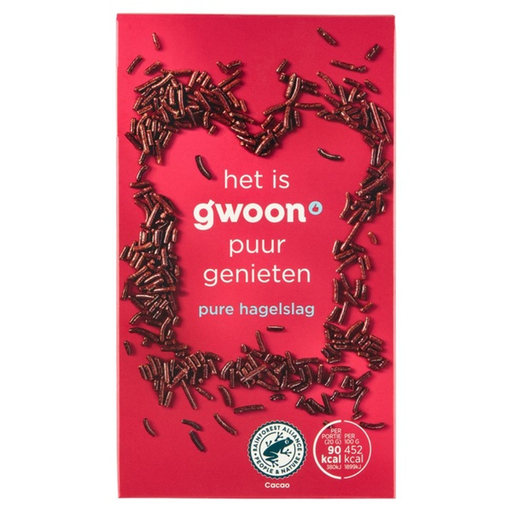 Image unavailable
A separate dark chocolate sprinkle topping for anyone who wants to choose their own rusk base.
Pack size: 400 g. Check the label for this variety to compare sugars and allergens.
 Image unavailable
A dark chocolate sprinkle topping for rusks you’ve chosen separately.
Pack size: 200 g. Compare the nutritional information for this Intense variety with other chocolate sprinkles, not with the rusks.
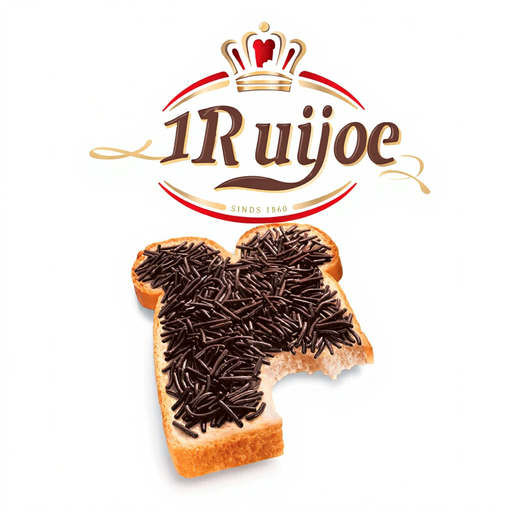 Image unavailable
A separate dark chocolate sprinkle topping for anyone who wants to pair a familiar favourite with rusks.
Pack size: 390 g. To compare products, check the sugars per 100 g and the allergens on the latest packaging.
You’re changing the rusk base, not the chocolate sprinkles. According to the Netherlands Nutrition Centre, wholegrain products contain more fibre than white grain products; for your breakfast, also compare the amount and nutritional information of your chosen topping.
Compare the varieties on the same basis, such as sugars and saturated fat per 100 g, and consider how much you use. Check the ingredients too: Céréal lists maltitols in its Dark Chocolate Sprinkles with Less Sugar and warns that excessive consumption may have a laxative effect.
Check the latest labels on both packs, as allergens vary between varieties. De Ruijter Dark Chocolate Sprinkles, as described by Jumbo, lists milk and soya; check the chosen rusks separately for grains, egg or sesame, and for any warnings about possible traces.
No, you can’t assume that every rusk does. The Netherlands Food and Consumer Product Safety Authority describes conditions for the use of iodine compounds through baker’s salt in bakery products; it doesn’t require every individual rusk to have the same ingredients. Check the ingredients list to be sure.