
Travellers looking for a larger rusk base
If you want to pile on plenty of chocolate sprinkles, it’s worth looking at a variety described as ‘extra large’. That doesn’t tell you how thick the rusk is or how well it will hold up in your bag.


Choose an extra-large rusk if what you’re looking for is more room for chocolate sprinkles; if by ‘thick cut’ you mean bigger sprinkles, look for XXL chocolate sprinkles. A larger size doesn’t tell you how thick the rusk is or how well it resists breaking, so protect the pack in your luggage and check the allergens in both products. Spreadable toppings are subject to different rules from dry chocolate sprinkles at Schiphol security.
If you want to pile on plenty of chocolate sprinkles, it’s worth looking at a variety described as ‘extra large’. That doesn’t tell you how thick the rusk is or how well it will hold up in your bag.
If you’re mainly after a chunkier topping, look for an XXL variety. This changes the chocolate sprinkles, not the rusk you sprinkle them over. Check the allergens in the variety you choose.
Rusks and chocolate sprinkles each have their own ingredients list. Check the specific varieties separately for ingredients such as wheat, egg, sesame, milk and soya, if these are relevant to you.
First decide whether you mean a larger rusk or bigger chocolate sprinkles. Then check the labels on both products and think about how to protect the rusks from breaking while you’re travelling.
| What to consider | What to check when buying | Who it matters to |
|---|---|---|
| A larger rusk base | Check whether the variety you’ve chosen is described as ‘extra large’; don’t assume this tells you anything about its thickness or how well it resists breaking. | I want more room for chocolate sprinkles, so I’m mainly looking for a larger rusk. For around 36% of consumers, a larger base comes first. |
| Bigger chocolate sprinkles | Look for an explicit XXL or extra-large sprinkles label on the chocolate sprinkles. | If I want a chunkier topping, I don’t need to choose a different rusk. Bigger sprinkles are the main priority for around 29% of consumers. |
| Ingredients and allergens | Read the current labels on both the rusks and the chocolate sprinkles; compare the nutritional values of varieties on the same basis, such as per 100 g. | I want to know before I leave whether both products are suitable for me based on the ingredients I look out for. Around 21% of consumers prioritise checking the labels. |
| A simple rusk base | Check which standard rusk varieties are available if a particular larger or seeded variety isn’t essential. | I want to put my snack together without relying on one particular speciality rusk. For around 14% of consumers, having an easy-to-find base is the main consideration. |
A description such as ‘extra large’ doesn’t indicate a measured thickness or how well the rusk resists breaking. Even a rusk that looks larger can break while you’re travelling.
Choose the size you want and protect the pack from pressure in your luggage.
The rusk ingredients may raise different considerations from those of the chocolate sprinkles, including wheat, egg or sesame in certain varieties.
Check the ingredients and allergens on both packs of the varieties you’re actually taking with you.
Schiphol classifies spreads and creams as products covered by the liquid rules at security. Containers of these products larger than 100 ml aren’t allowed in hand luggage.
If you want to take a spreadable topping as well as dry chocolate sprinkles, check Schiphol’s hand luggage rules before packing.
For a rusk base, Bakkers Beschuit and seeded rusks are among the options worth considering.
Worth considering if you’re looking for milk chocolate sprinkles or want to explore a variety described as having XXL sprinkles.
A brand to consider if you’re thinking of using dark chocolate sprinkles as a topping.
These products include rusks as a base and chocolate sprinkles as a separate topping. Choose each part based on its own size, ingredients and packaging; a topping won’t make the rusk sturdier.
 Image unavailable
A rusk base for when you’re looking for a seeded variety to enjoy with your chocolate sprinkles. The pack contains 10 pieces; if allergens are a concern, check the current label for the ingredients in this seeded variety.
 Image unavailable
Wholemeal rusks if you prefer them to standard rusks. The pack contains 10 pieces; check the current label if wheat or other ingredients are important to you.
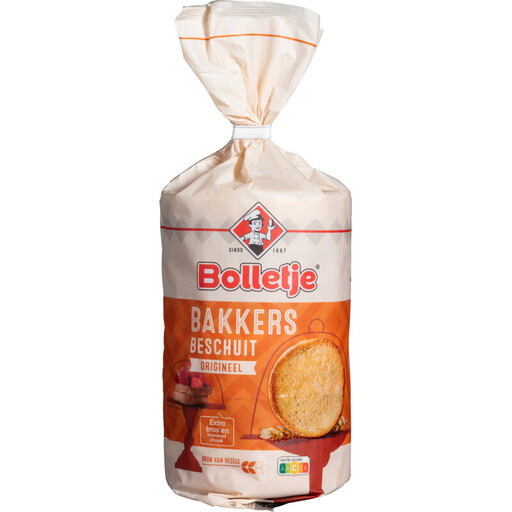 Image unavailable
A rusk base if you’re not looking for a seeded or wholemeal variety. The pack contains 10 pieces. If a larger rusk is a priority for you, compare the size of this variety separately.
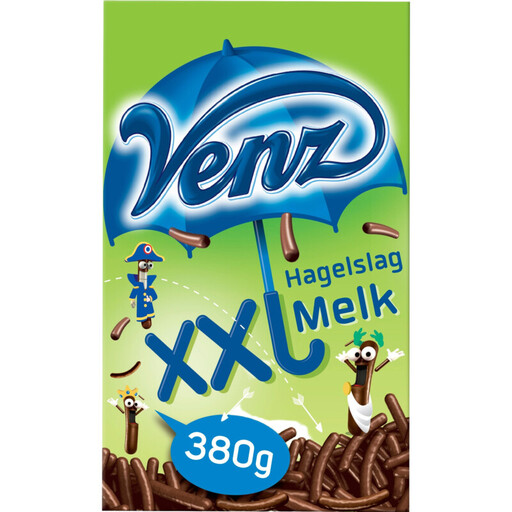 Image unavailable
A separate topping if you want to put together your own rusks with chocolate sprinkles. The pack contains 380 g; if you’re specifically after bigger sprinkles, check whether the pack you choose is labelled XXL.
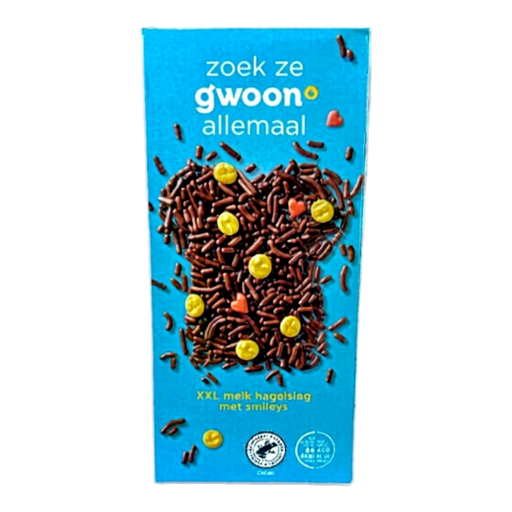 Image unavailable
Milk chocolate sprinkles with smiley faces to scatter over your chosen rusks. The pack contains 550 g; check the sprinkles description separately if you’re looking for a chunkier topping.
Dry rusks and dry chocolate sprinkles aren’t among the liquids listed in Schiphol’s hand luggage rules. Spreadable toppings are different: Schiphol classifies spreads and creams as liquids, so the 100 ml limit per container applies. Also check the guidance for your flight and any rules at your destination.
No. ‘Extra large’ doesn’t describe how well a rusk resists breaking. Choose a larger variety if you like the size, but protect the pack from pressure when you take it with you.
Read the labels on both products you’ve chosen, as their ingredients differ. Bolletje lists egg as an ingredient in Bakkers Beschuit Origineel, while Albert Heijn lists milk, lactose and soya for the Venz milk chocolate sprinkles we looked at. For other rusk varieties, also check for ingredients such as wheat and, where relevant, sesame.
No. The rules on bakers’ salt don’t mean that every rusk contains iodine. The Netherlands Food and Consumer Product Safety Authority says that iodine compounds may be present in bread, bread substitutes and other bakery products when bakers’ salt is added. For a particular rusk, check the product information and, if necessary, ask the manufacturer which salt is used.