
Anyone organising a traditional new-baby visit
You want to serve rusks with aniseed sprinkles and are looking for the right rusk base. A biscuit to enjoy with coffee has a different role.


If you want to serve the classic treat, use a rusk as the base for the aniseed sprinkles: Albert Heijn lists aniseed sprinkles as a topping for AH Beschuit naturel, and De Ruijter recommends serving its sprinkles on rusks. A digestive works as a biscuit to enjoy with tea or coffee, rather than as an obvious substitute for a rusk. If you need to consider gluten or other allergens, check the latest labels for both the base and the sprinkles.
You want to serve rusks with aniseed sprinkles and are looking for the right rusk base. A biscuit to enjoy with coffee has a different role.
You’re serving rusks with aniseed sprinkles and are considering adding a digestive or speculoos as a separate biscuit for your guests.
You want to check before serving whether your chosen rusks, aniseed sprinkles and any biscuits are suitable for the allergens that matter to your guests.
First decide whether you need a base for the aniseed sprinkles or a biscuit to serve alongside them. Then check the labels of everything you plan to offer.
| What to consider | What to check when buying | Who is this most important for? |
|---|---|---|
| The base for the aniseed sprinkles | Buy the rusks and aniseed sprinkles as separate products. AH Beschuit naturel specifically lists aniseed sprinkles as a topping. | If I want to serve the familiar new-baby treat, I’m looking for rusks to top with the sprinkles. Around 50% of consumers prioritise this traditional presentation. |
| A separate biscuit | Choose between a plain digestive and a variety with, for example, chocolate. Compare the ingredients and nutritional information on the packs you choose. | I’d like to serve something with tea or coffee alongside the rusks, without using the biscuit as a substitute. For around 30% of consumers, a separate biscuit break is the top priority. |
| Gluten and allergens | Check the latest labels for the base, aniseed sprinkles and biscuits separately, including any relevant warnings about possible allergens. | If a guest needs to avoid certain ingredients, I want to know whether each part of what I’m serving is suitable. This check is the top priority for around 20% of consumers. |
A digestive is a biscuit. For the classic combination, Albert Heijn and De Ruijter both recommend rusks as the base for aniseed sprinkles.
Add rusks and aniseed sprinkles to your list first; only add a digestive if you also want to serve a separate biscuit.
The De Ruijter pink and white aniseed sprinkles reviewed contain wheat starch. So choosing a gluten-free biscuit doesn’t automatically make the other items suitable.
Check each product separately and prevent cross-contamination if you need to serve gluten-free food.
For guests with allergies, warnings such as ‘may contain’ are important too. Information on an older product page may not match the packaging you’re serving.
Check the labels on the packs you’ve bought just before serving.
Rusks and digestives are crisp, so leaving them out or topping them too early can affect their texture.
Store them in a dry place, seal opened packs well and top the rusks shortly before serving.
The Digestives Original 400 g reviewed is a wheat biscuit for enjoying on its own.
Jumbo has plain and wholemeal digestives, as well as a separate gluten-free variety with milk chocolate.
AH Beschuit naturel is a good option for the classic treat: Albert Heijn lists aniseed sprinkles as a possible topping.
According to the product information, Digestive Landtaler is a separate biscuit labelled gluten-free and wheat-free.
The Speculoos reviewed is a biscuit to enjoy with coffee, not a digestive or a base for aniseed sprinkles.
The Digestive Biscuits described by ALDI Nederland are wheat biscuits in a 400 g pack.
Lidl lists a 400 g pack for these plain digestives.
These Joybuy products are digestives to serve separately alongside rusks with aniseed sprinkles, for example with tea or coffee. They aren’t a base for the classic treat.
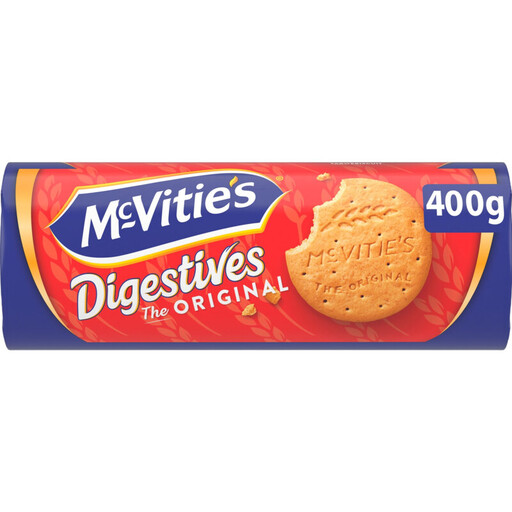 Image unavailable
A plain digestive to serve as a separate biscuit with your treat. According to the product information, this Original variety contains 16% wholemeal wheat flour; it contains wheat and gluten and may contain milk. Check the latest label if anyone has allergies.
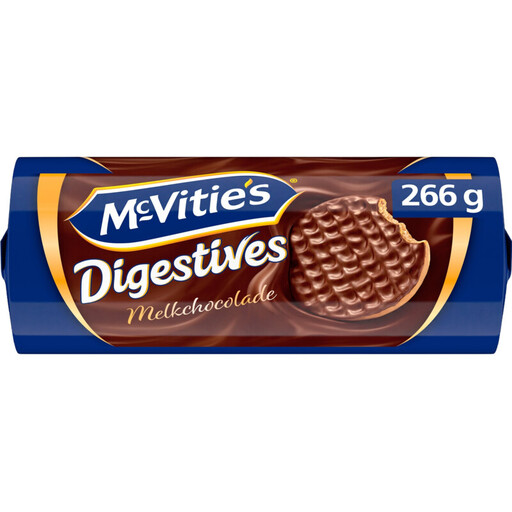 Image unavailable
A digestive with milk chocolate to serve as a separate biscuit. The pack contains 266 g. If it matters for your guests, check the ingredients and allergens on the latest label.
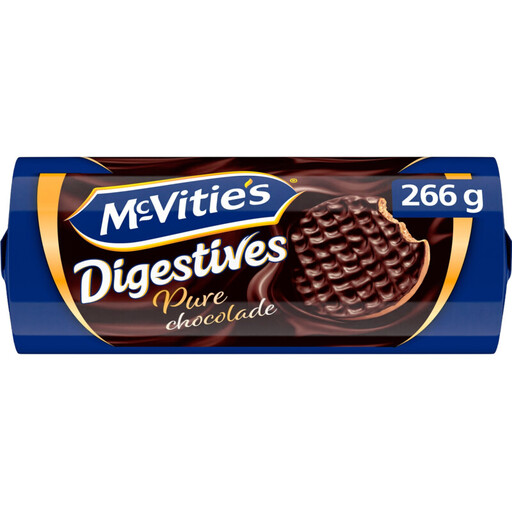 Image unavailable
A digestive with dark chocolate for anyone who wants to serve a separate biscuit alongside the rusks. The pack contains 266 g. If anyone has allergies, check the ingredients and warnings on the latest label.
Choose rusks if you want to serve the classic treat. Albert Heijn lists aniseed sprinkles as a topping for AH Beschuit naturel, and De Ruijter recommends serving its sprinkles on rusks. You can serve a digestive separately as an additional biscuit.
No. Check the aniseed sprinkles and every other item you’re serving too. The Schär Digestive Landtaler reviewed is labelled gluten-free, while the De Ruijter pink and white aniseed sprinkles reviewed contain wheat starch. If you need to serve gluten-free food, also take steps to prevent cross-contamination.
Check the labels of all the products you’ve chosen for any allergens relevant to your guests. These may include wheat and other cereals containing gluten, egg, milk and soya. Look for warnings such as ‘may contain’ too; allergens vary between rusks, aniseed sprinkles and biscuit varieties.
Store them in a dry place and seal opened packs well. Albert Heijn recommends keeping rusks in a closed tin once opened; top them shortly before serving.